
Criollo, Trinitario, Forastero: Are Cacao Varieties a Modern Myth?
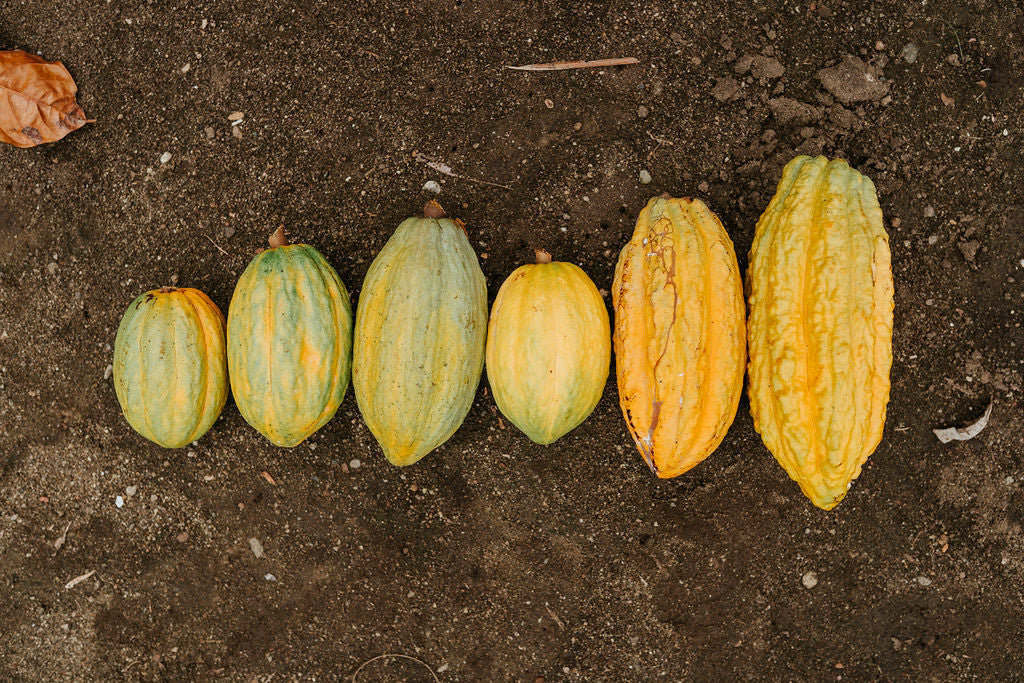
If you’ve spent any time looking into cacao varieties, you’ve probably come across these three names - usually accompanied by claims about which one is rare, superior or the “best”. But cacao genetics are far more complex than three neat little boxes.
There is so much information surrounding cacao that the average consumer can easily feel overwhelmed and sometimes completely misguided.
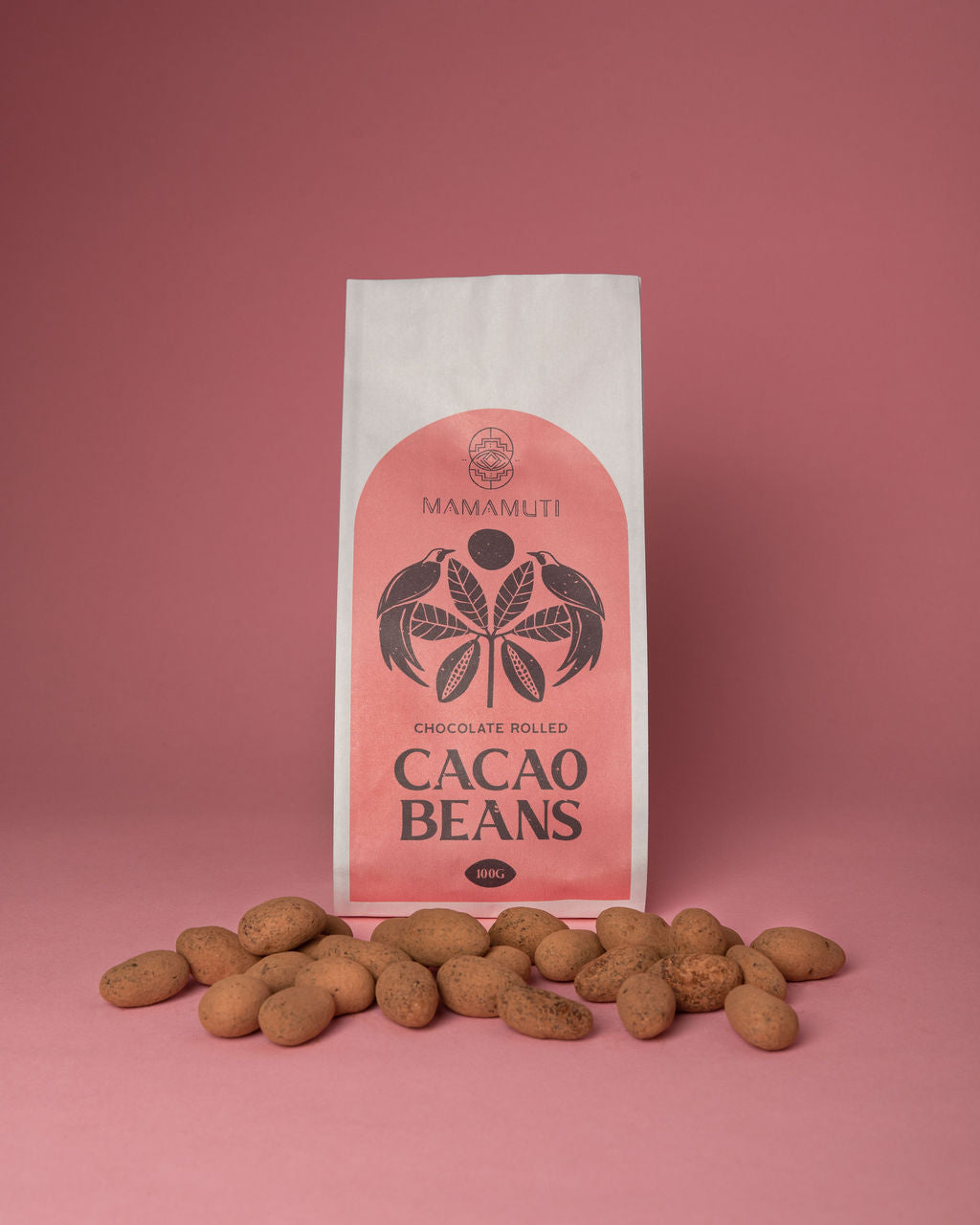
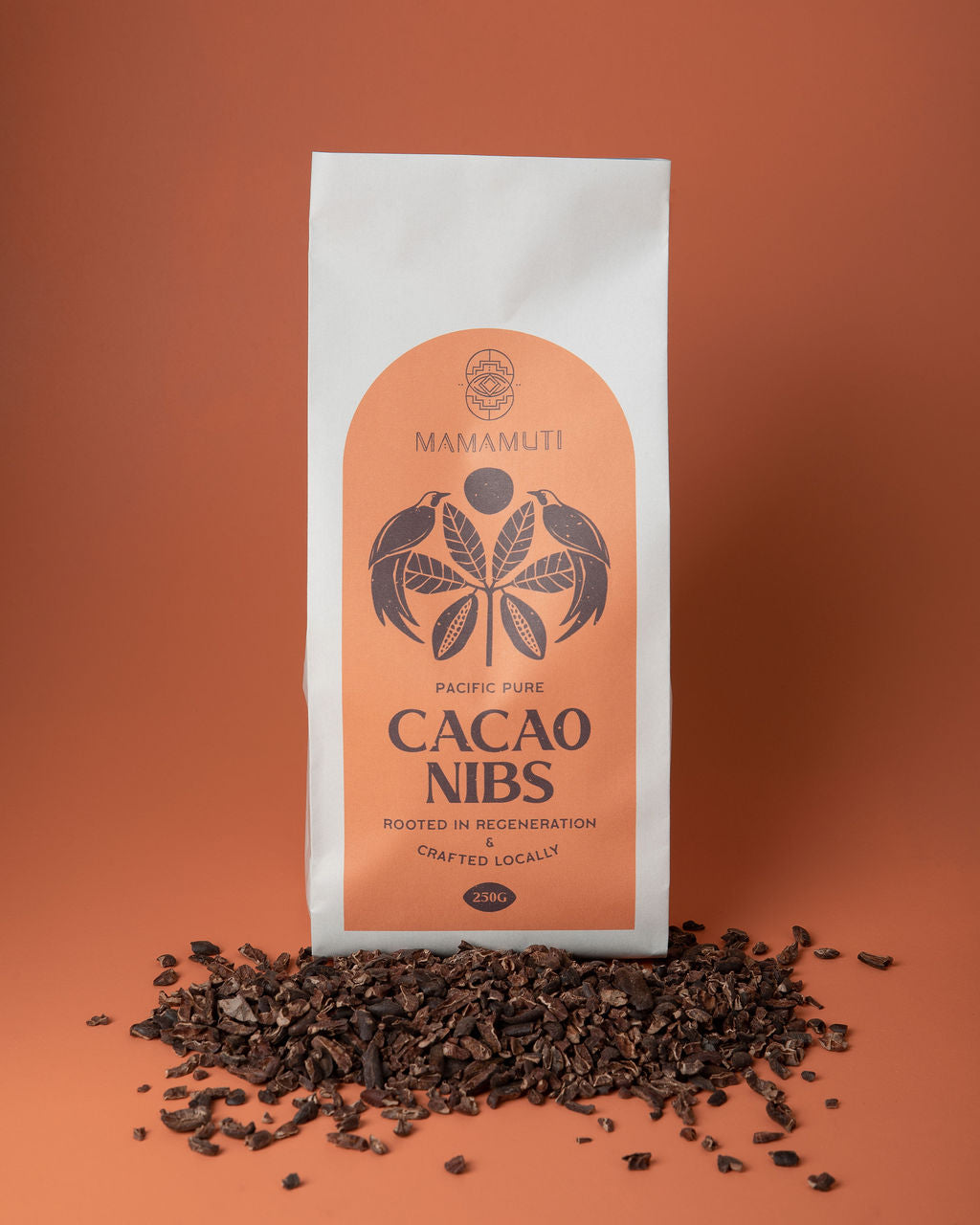
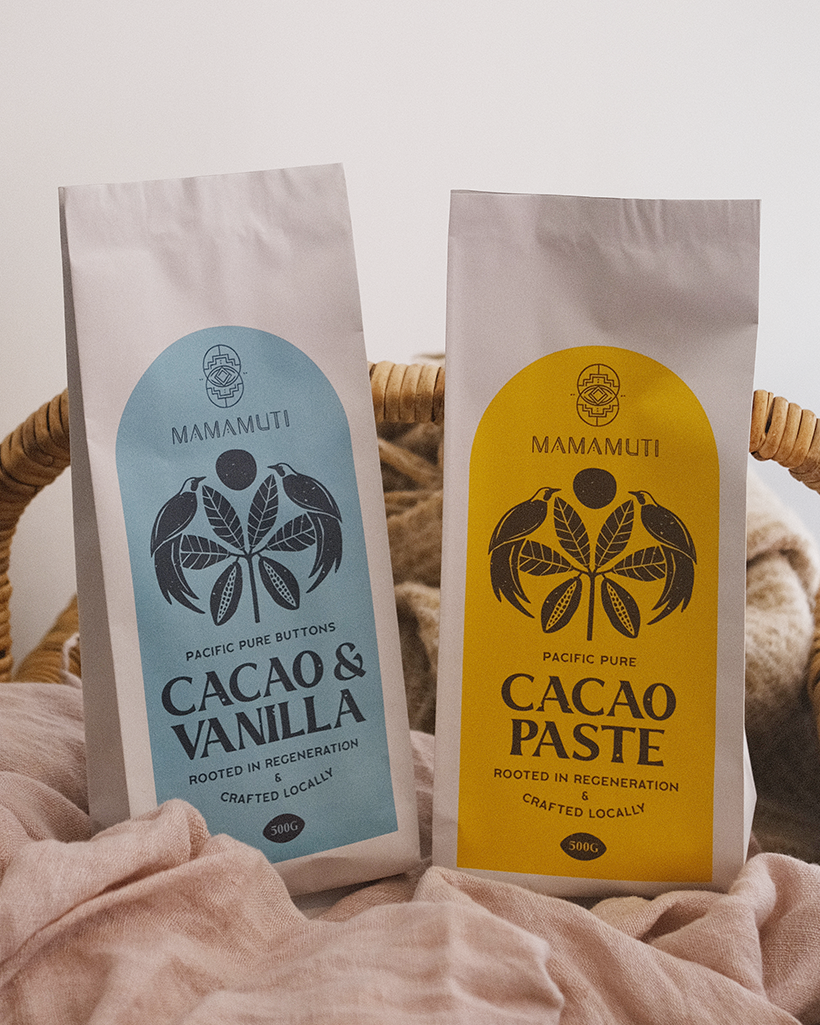
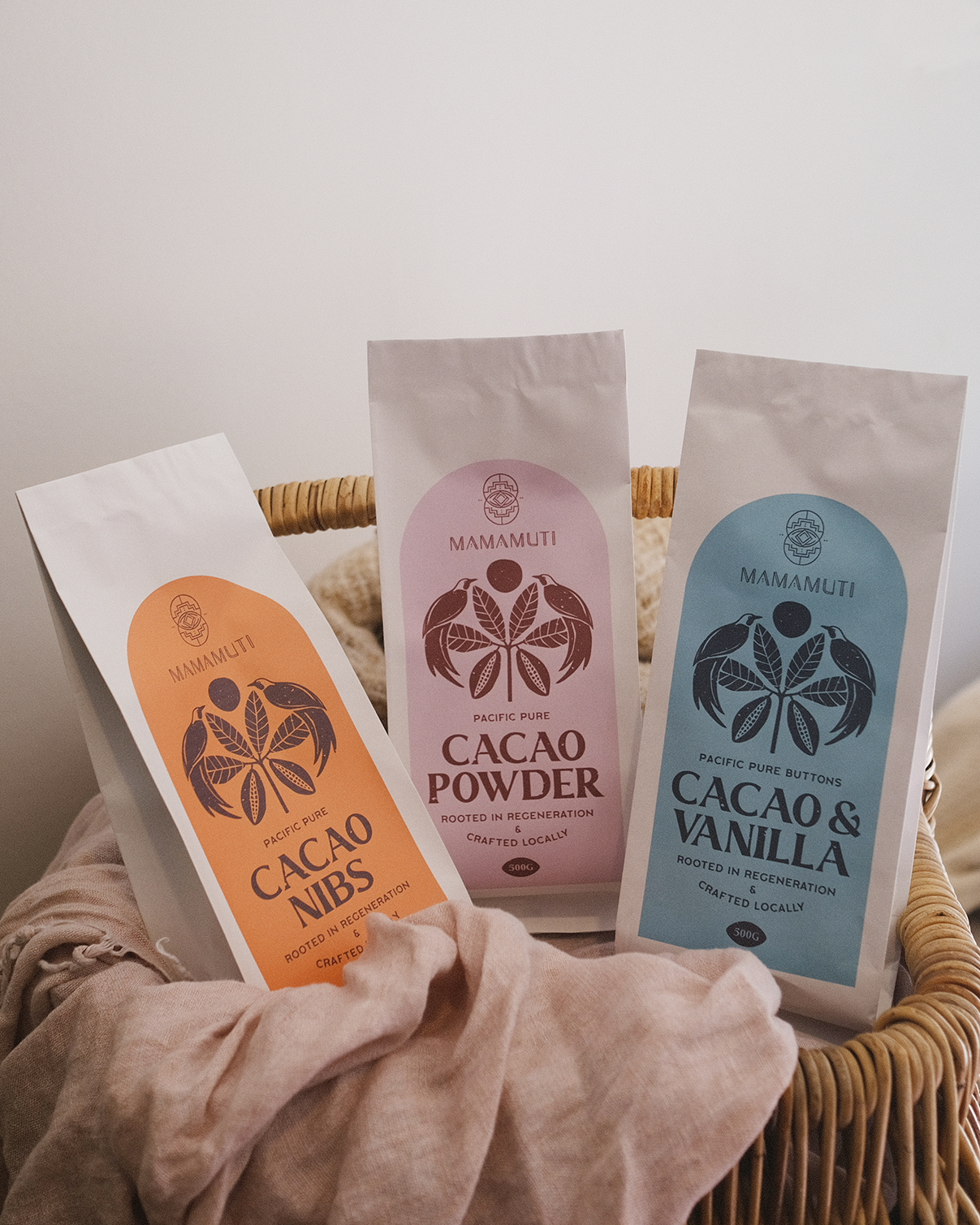
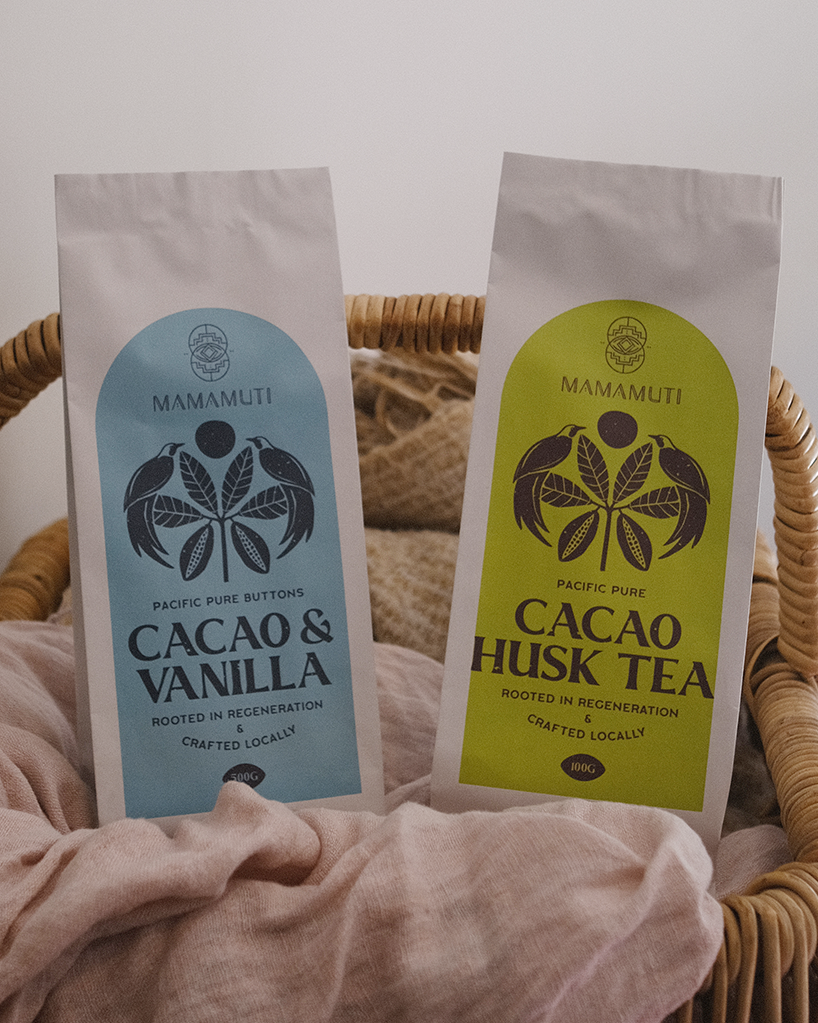
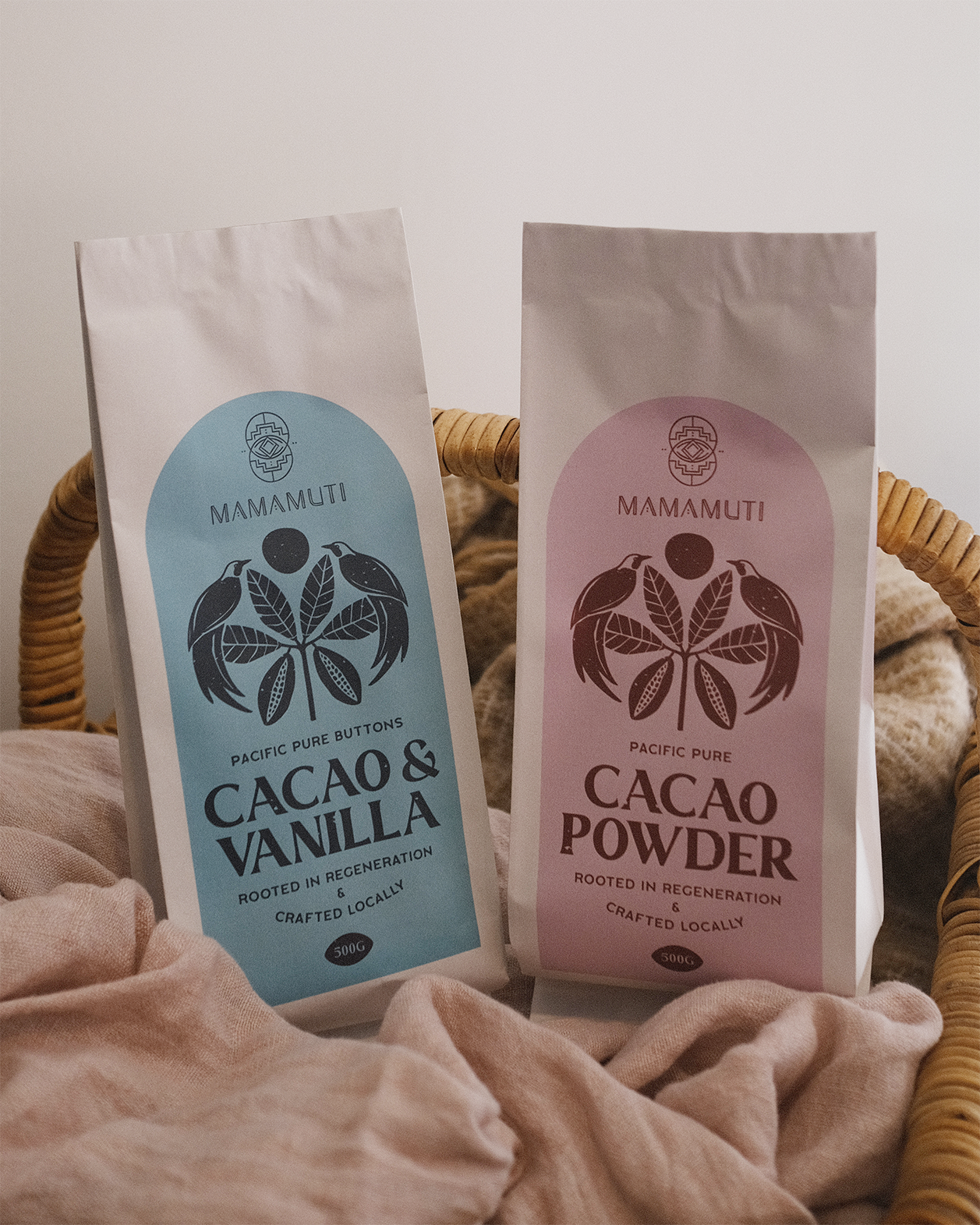
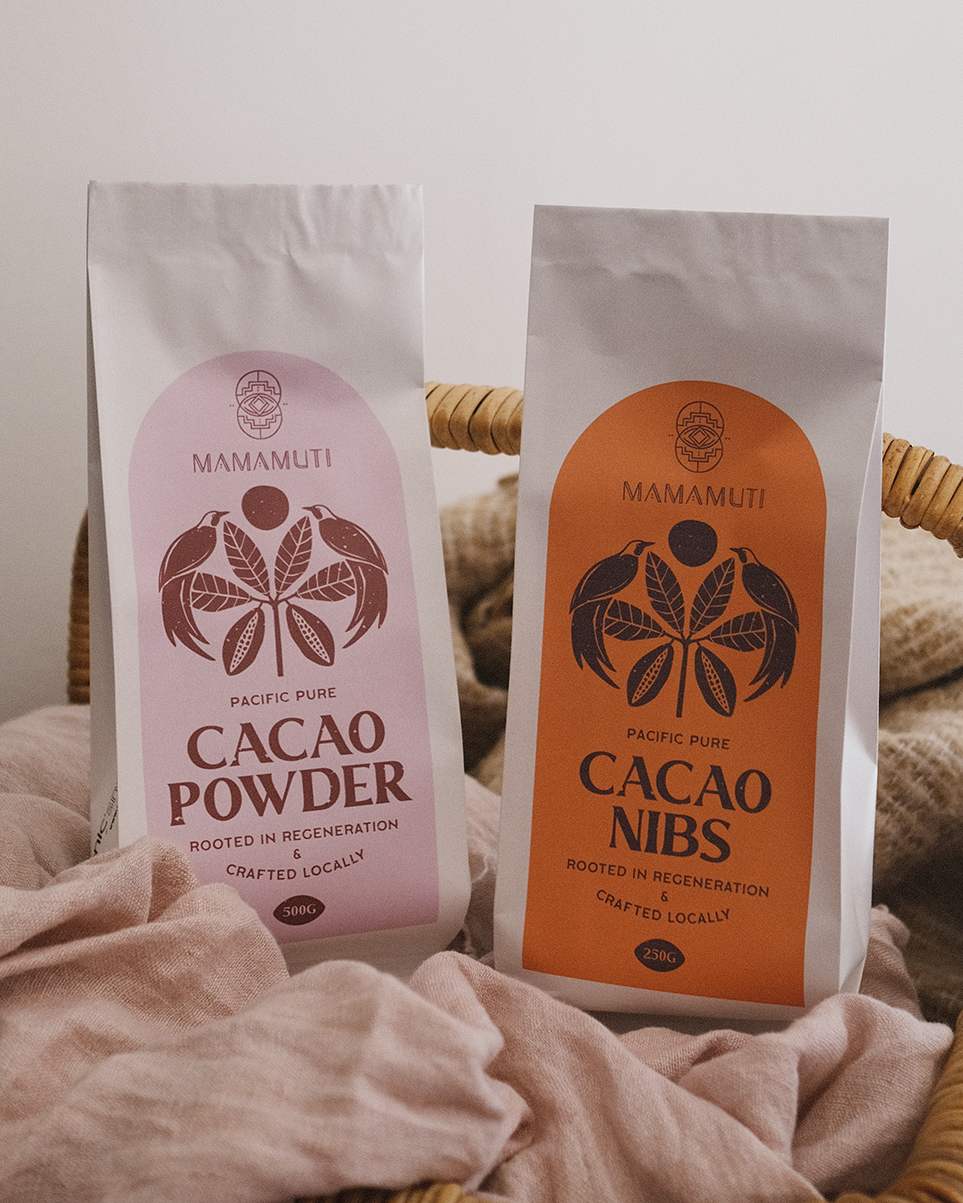
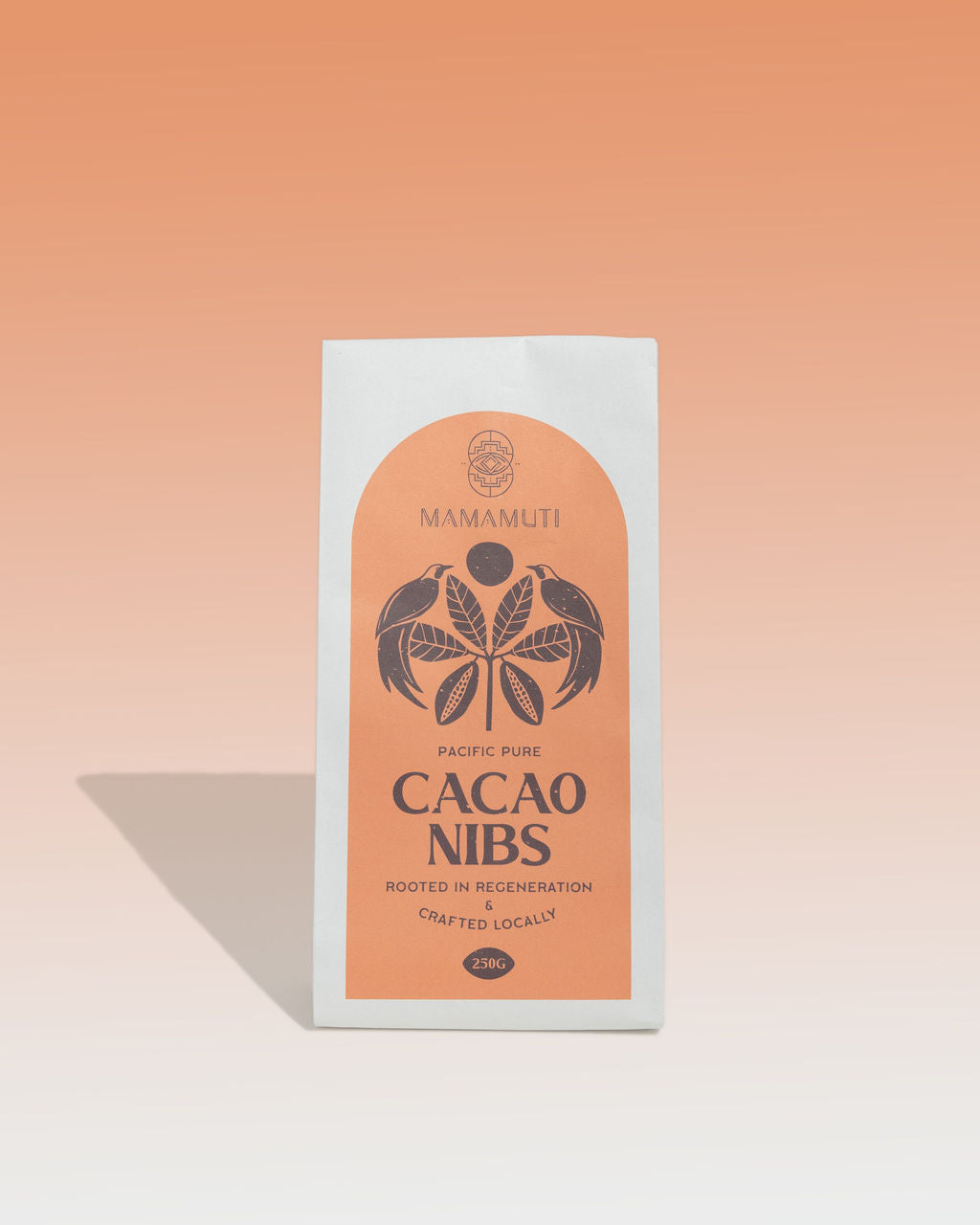
I’m often asked why I don’t specify on Mamamuti’s labels exactly what “variety” our cacao is.
The answer is pretty straightforward.
Nature is complicated.
Super intelligent. Ever-changing. Wildly diverse.
And our human need to classify, rank and neatly box everything nature gives us - particularly when we’re trying to market and sell it - can sometimes tell us less rather than more.
Criollo, Forastero and Trinitario: the old cacao story
For a long time, cacao was broadly described using three familiar names:
Criollo — often marketed as rare, delicate and superior.
Forastero — historically a huge catch-all category, often described as hardy, productive and somehow inferior.
Trinitario — traditionally understood as cacao with mixed Criollo and Forastero ancestry.
It’s a beautifully simple story.
Possibly a little too simple.
Modern genetic research has shown that the diversity of Theobroma cacao is far richer than this traditional three-part classification suggests.
In 2008, researchers studying cacao genetics proposed 10 major genetic groups:
Amelonado, Contamana, Criollo, Curaray, Guiana, Iquitos, Marañón, Nacional, Nanay and Purús.
And research hasn’t stopped there.
Scientists continue to uncover enormous genetic diversity within cacao populations, including highly admixed trees carrying ancestry from multiple groups.
In other words:
Cacao refuses to stay inside our boxes.
And I love that about it.
So is Criollo really the “best” cacao?
Not necessarily.
This is where classification can turn into marketing.
Criollo has developed an almost mythical reputation in parts of the chocolate and wellness worlds. You’ll see words like rare, ancient, fine, premium and superior attached to it.
But a genetic name alone cannot tell you whether the cacao in your hand is going to taste extraordinary.
Genetics matter, absolutely.
But so do the soil and climate in which cacao grows, the health of the farm, the harvest, fermentation, drying, roasting, storage and the skill of the people handling it at every stage.
A beautiful cacao is the result of an entire chain of events.
Not one sexy word printed on the front of a bag.
Cacao is gloriously promiscuous
Here’s where it gets really interesting.
Cacao reproduces sexually and can cross-pollinate between genetically different trees. Humans have also intentionally crossed cacao for generations, selecting for things like flavour, productivity and resistance to disease.
The result?
An extraordinarily diverse cacao family.
Many cultivated cacao trees today are genetically admixed rather than fitting beautifully into one ancestral category.
Which makes sense when you think about nature.
Diversity creates possibilities.
It allows populations to change, adapt and respond to their environments.
Cacao isn’t a museum piece.
It’s alive.
Perhaps we’re asking the wrong question
Instead of immediately asking:
“Is it Criollo?”
I’d love us to start asking:
Where was it grown?
Who grew it?
How was it fermented?
How was it dried?
How was it roasted and processed?
What does it taste like?
And — perhaps most importantly — do I actually enjoy eating or drinking it?
Because somewhere along the way, we’ve become very good at intellectualising cacao.
Sometimes I think we need to get back to tasting the stuff.
Let’s hero the land and the growers
What if, instead of using cacao genetics as another hierarchy, we became more curious about place?
The country. The region. The farm. The soil. The climate. The harvest.
And the people whose hands actually grew, harvested and transformed those seeds.
That’s a cacao story I’m interested in.
I’m not suggesting genetics don’t matter. They absolutely do. Understanding cacao diversity is incredibly important for conservation, breeding, disease resistance and the future resilience of cacao.
I’m suggesting something much simpler:
Genetics aren’t a quality ranking.
Criollo isn’t automatically exceptional.
Forastero isn’t automatically ordinary.
Trinitario doesn’t mean average.
And three words could never adequately describe the astonishing diversity of cacao growing across the world today.
So stay curious.
Read the label.
Ask questions.
Learn where your cacao came from.
And then trust your own mouth.
Because perhaps the best cacao isn’t the one with the fanciest classification.
It’s the one you can’t stop going back for.
Pleasure is the purpose.





1 comment
ahhh , Im getting it now. ….so is it the environment its grown in that affects the flavour then? like humans!
kt
Leave a comment
This site is protected by hCaptcha and the hCaptcha Privacy Policy and Terms of Service apply.