

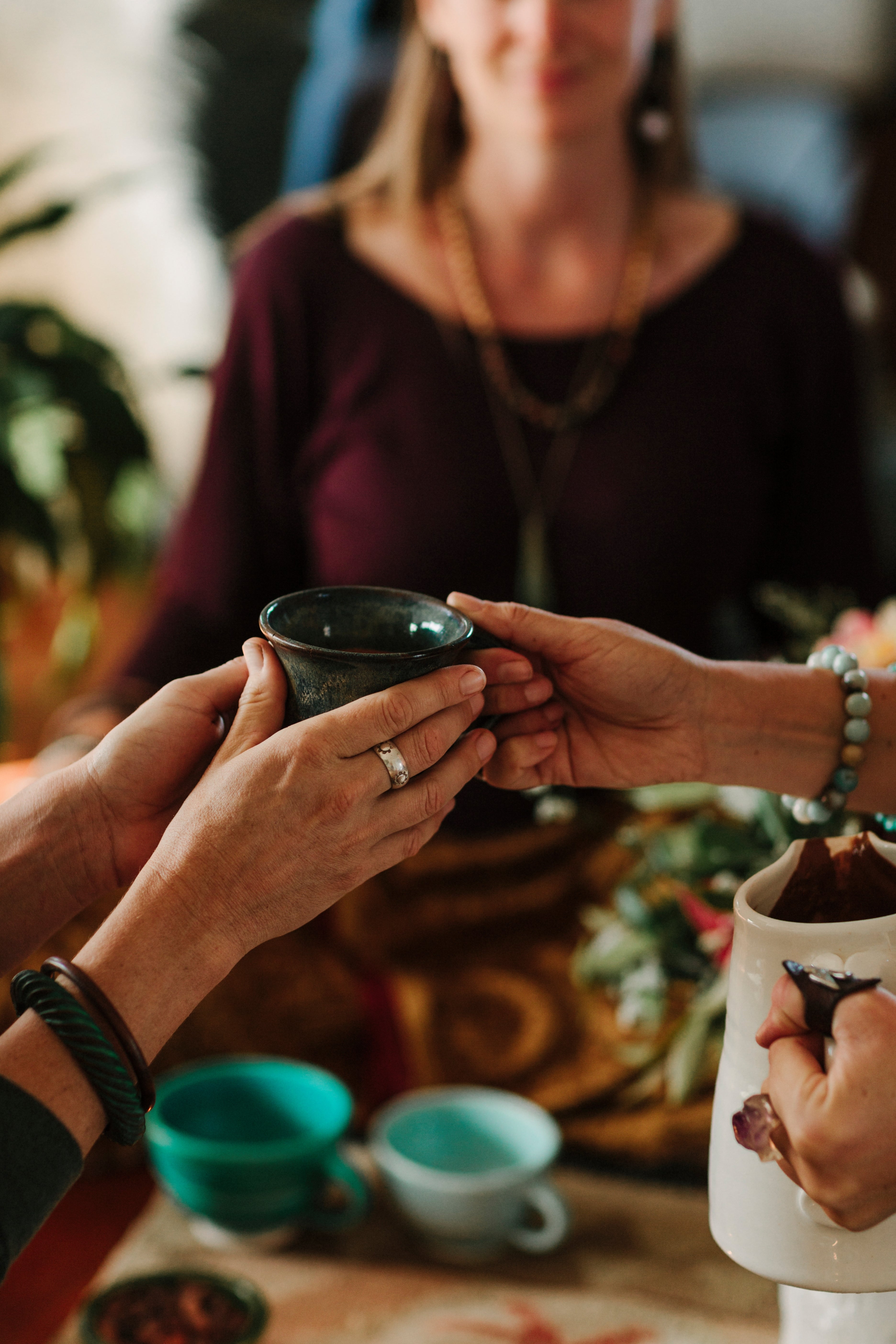
Keeping Slow Food Alive
Why a cup of cacao is never just a cup of cacao
Every time you choose what to eat, you are casting a vote.
A vote for the kind of food you want to exist.
A vote for the kind of world you want to live in.
And a vote for whether we remain connected to the people, the places and the living systems that feed us, or become even further removed from them.
At Mamamuti, we sell cacao. But underneath it all, I believe we are also here to protect something much bigger.
We are here to help keep the stories behind our food alive. Because food does not begin on a supermarket shelf. It begins in soil. In rain. In sunlight. In forests. In seasons. In human hands. In knowledge passed down, practised, refined and remembered.
Every bag of cacao has already lived an enormous life before it reaches your kitchen. There are farmers tending trees. Families harvesting ripe pods. People cracking them open, fermenting the beans, drying them, sorting them, roasting them, grinding them and preparing them for their next journey.
There is skill in every part of that process. There is time. There is patience. There is physical work. There is judgement that cannot always be measured by a machine or written neatly into a manual. And there is an enormous amount of care involved in bringing cacao from a rainforest all the way into your cup.
That is what I want us to remember. Not “us” over here, enjoying the finished product, and “them” somewhere far away, producing it. Us. All of us, part of the same story.

Slow food is slow for a reason
Some things should not be rushed.
A sourdough starter needs time to become alive.
Cheese needs time to ripen.
Fruit needs time to ferment.
Bread needs hands that understand dough.
Cacao needs the right weather, the right harvest, the right fermentation and the right people paying attention along the way.
The slow food movement reminds us that food is not simply a product. It is a relationship. A relationship with land. With climate. With culture. With craft. With the people who grow, make, preserve and prepare it.
Slow food asks us to notice. Who grew this? Who made it? What knowledge did it require? What landscape did it come from? What had to happen for this food to reach me? And what disappears if we stop caring about the answers?
We need to celebrate the slow food people
The farmers.
The growers.
The bakers.
The millers.
The fermenters.
The cheesemakers.
The beekeepers.
The seed savers.
The coffee roasters.
The tea makers.
The chocolatiers.
The people who preserve, pickle, cure, smoke, grind, press, brew and bake.
The people whose hands know when something is ready.
The people who can tell by smell, texture, sound or instinct that a process needs more time.
They are artisans.
They are craftspeople.
They are knowledge keepers.
They are the OGs.
And we need them. Just as we need the potters, blacksmiths, glassblowers, basket weavers, woodworkers, natural dyers, leatherworkers, stonemasons, handloom weavers, bookbinders and instrument makers.
These are not quaint little hobbies from the past. They are living forms of intelligence. They keep us connected to materials, seasons, landscapes and one another.
When one of these crafts disappears, we do not only lose a product. We lose language. We lose knowledge. We lose stories. We lose another way of being human.

Cacao is one of those living stories
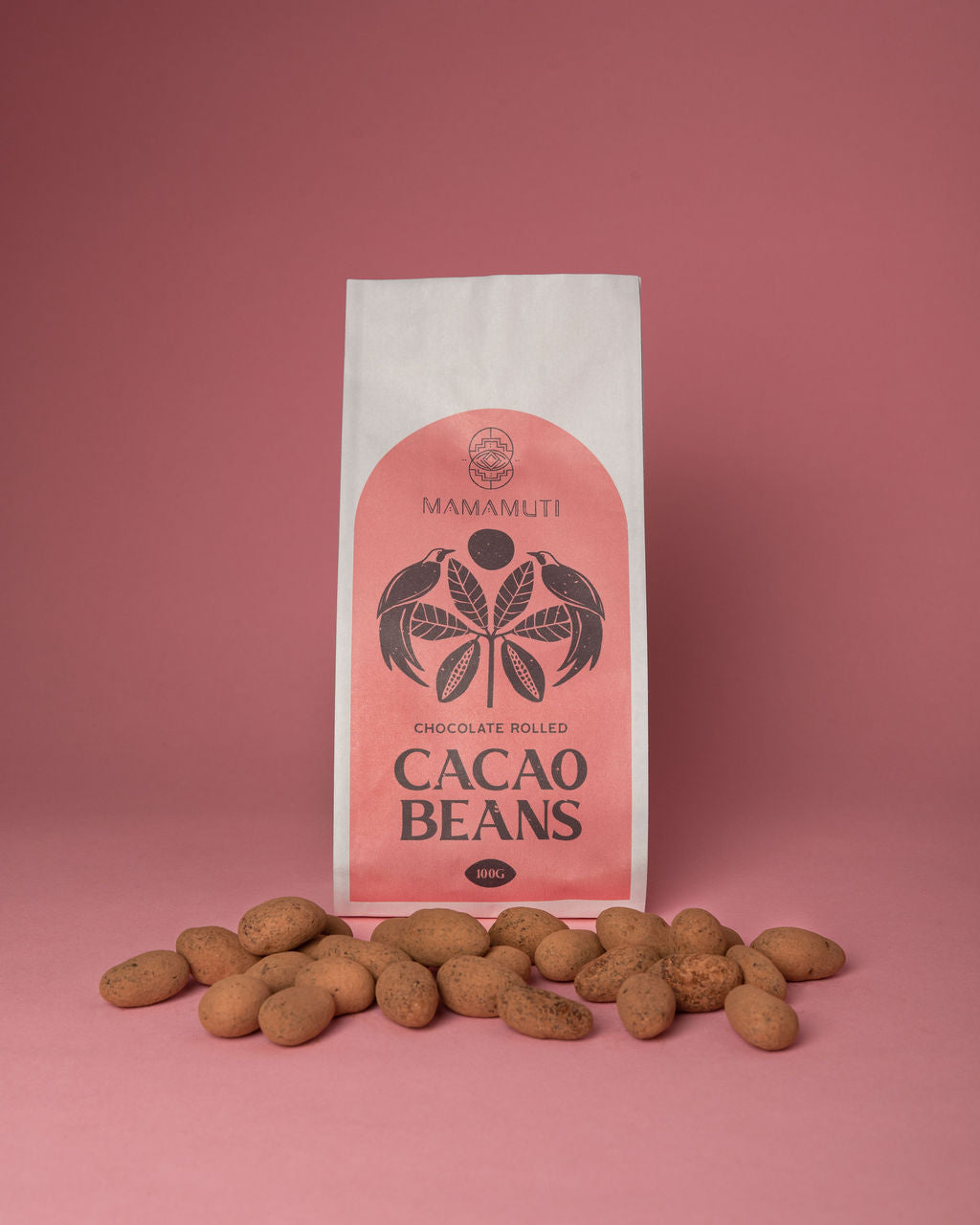
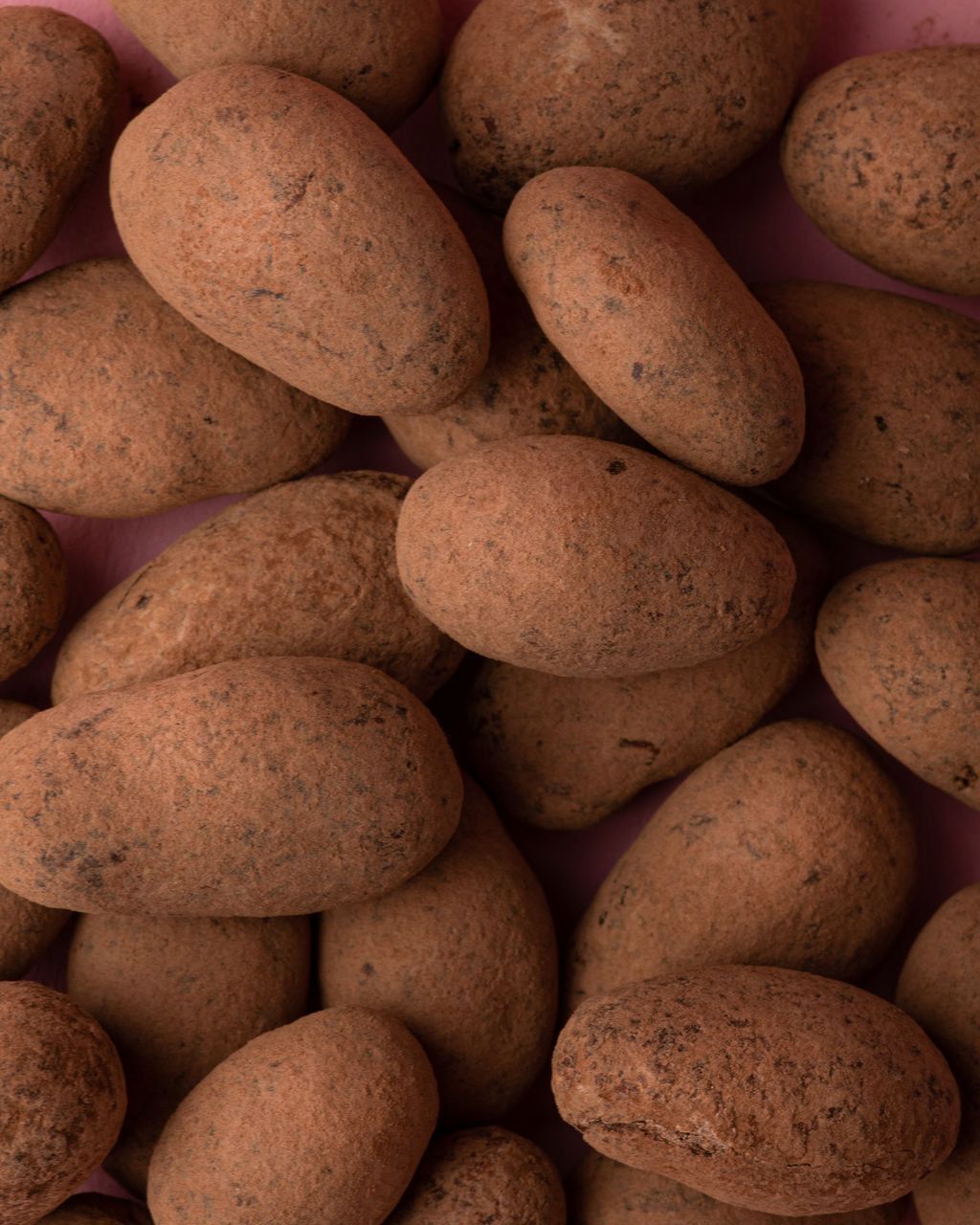
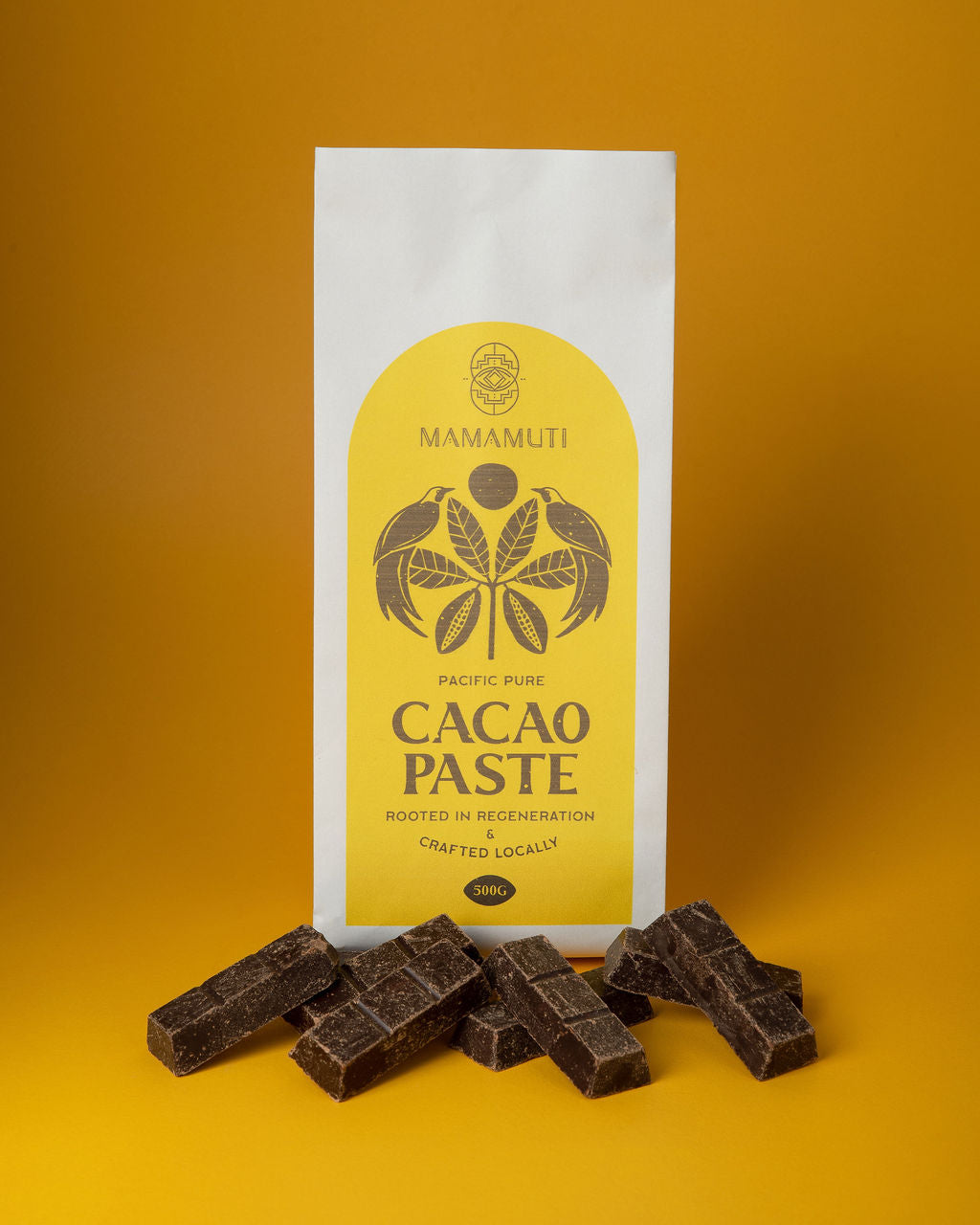
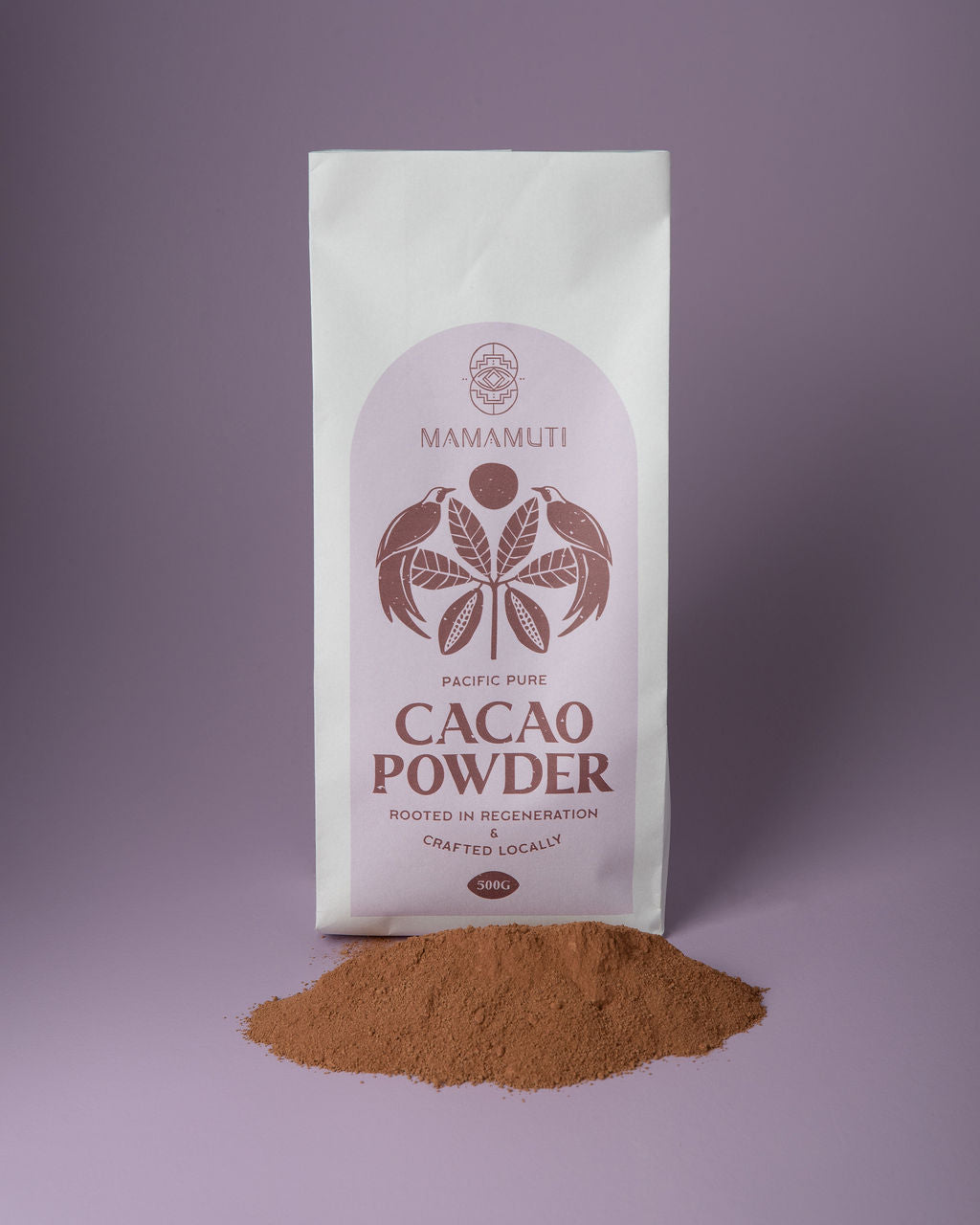
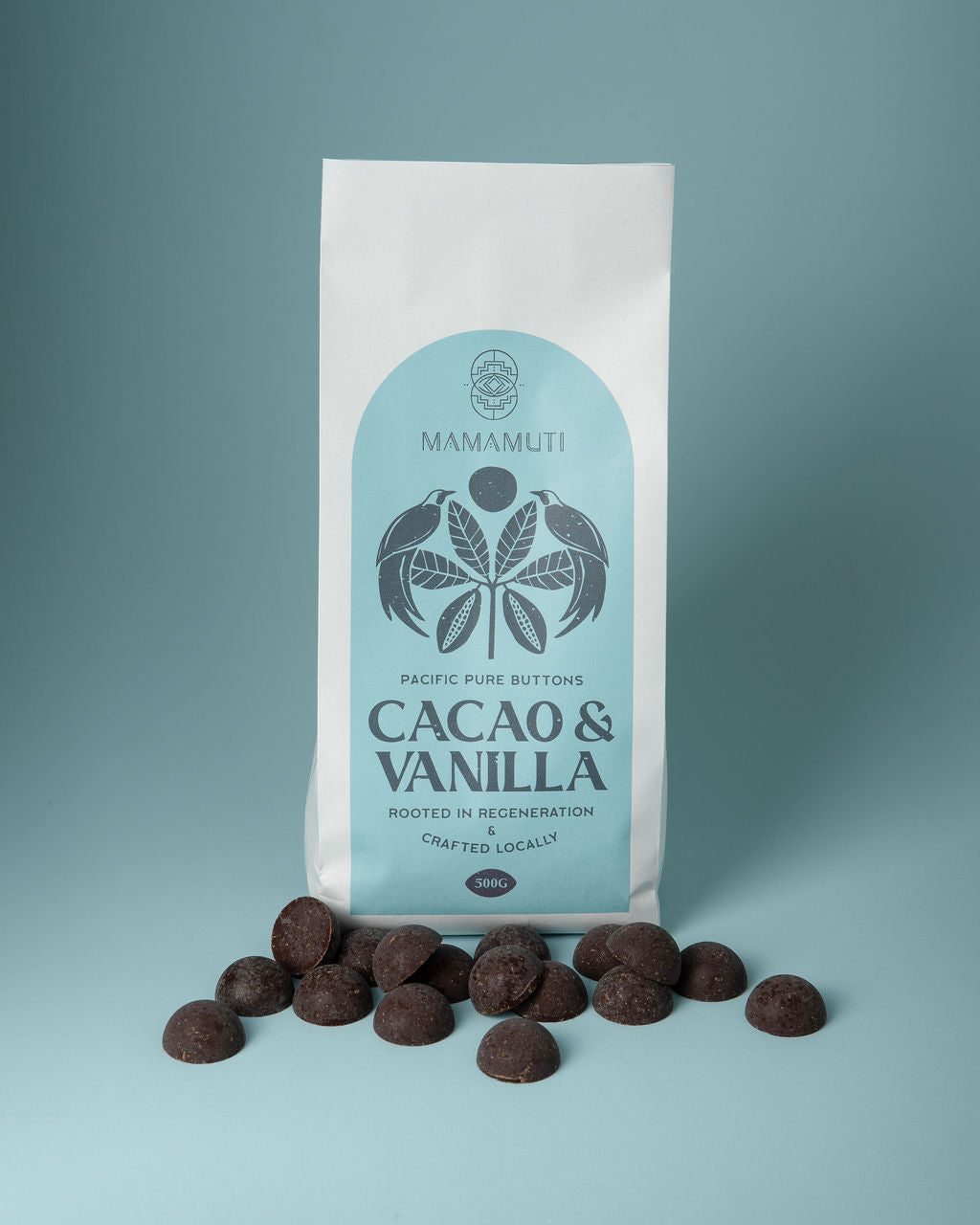
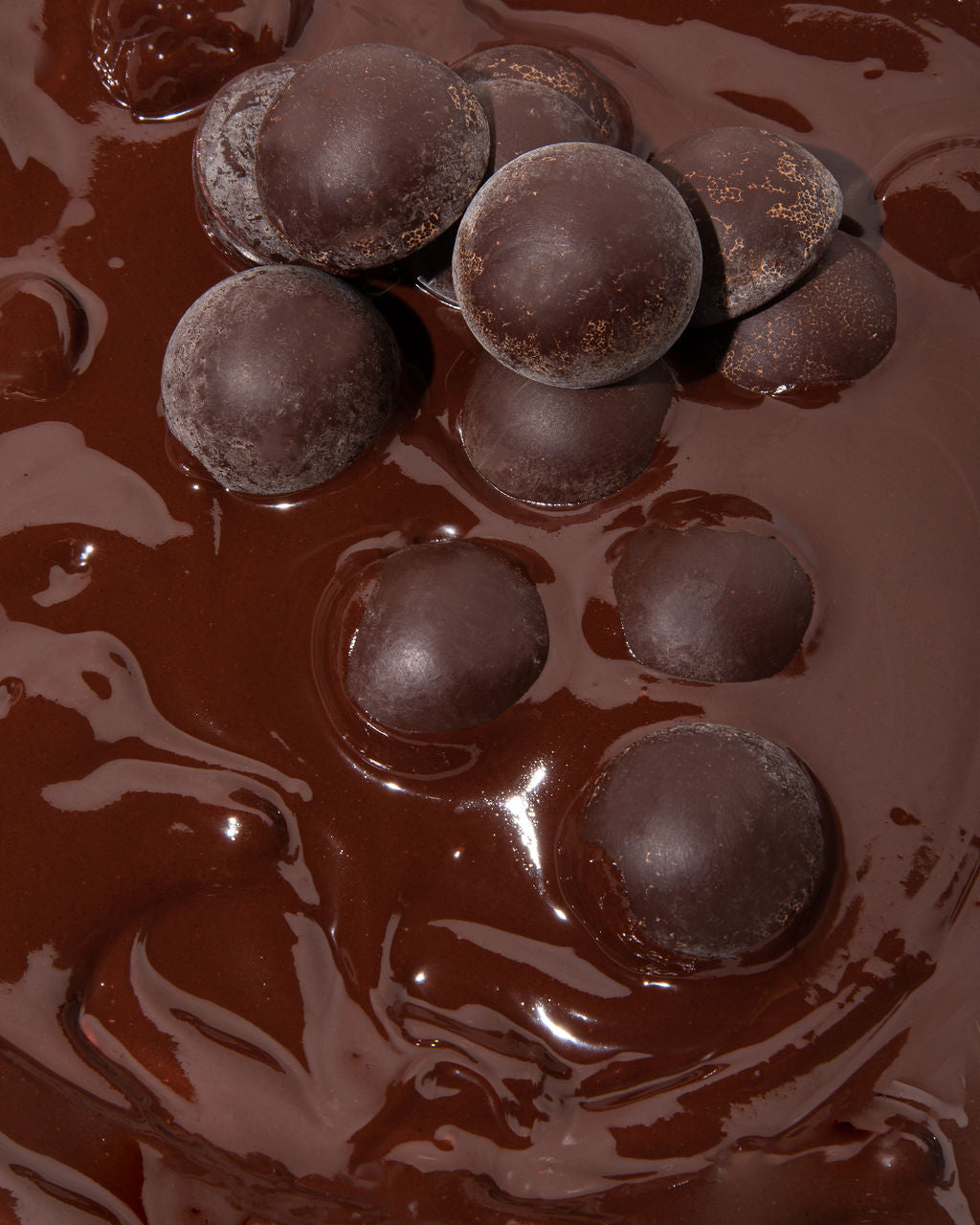
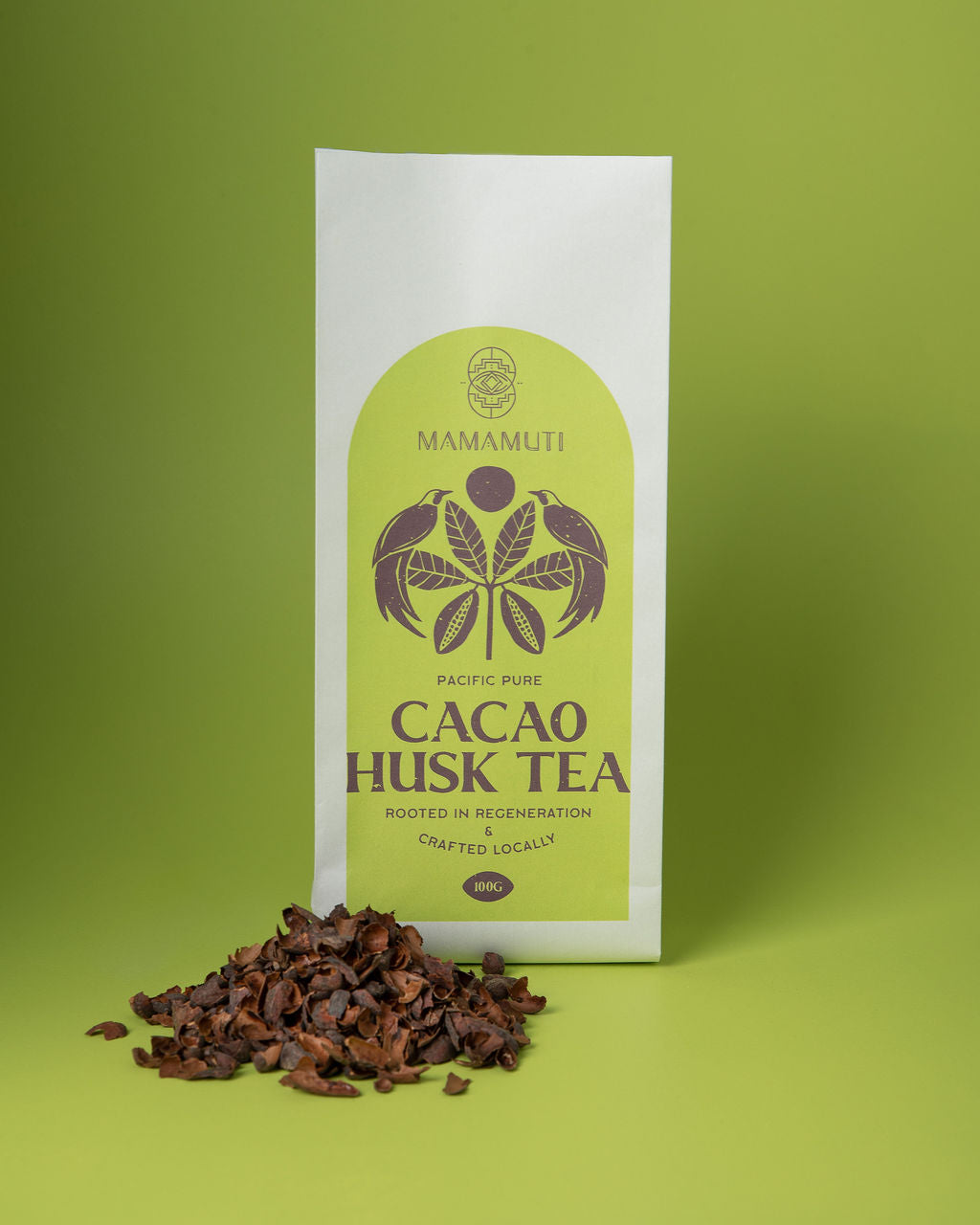
At Mamamuti, we do not believe that only one expression of cacao deserves to be celebrated. We hero all of it. The nibs. The paste. The powder. The cacao butter. The tea.
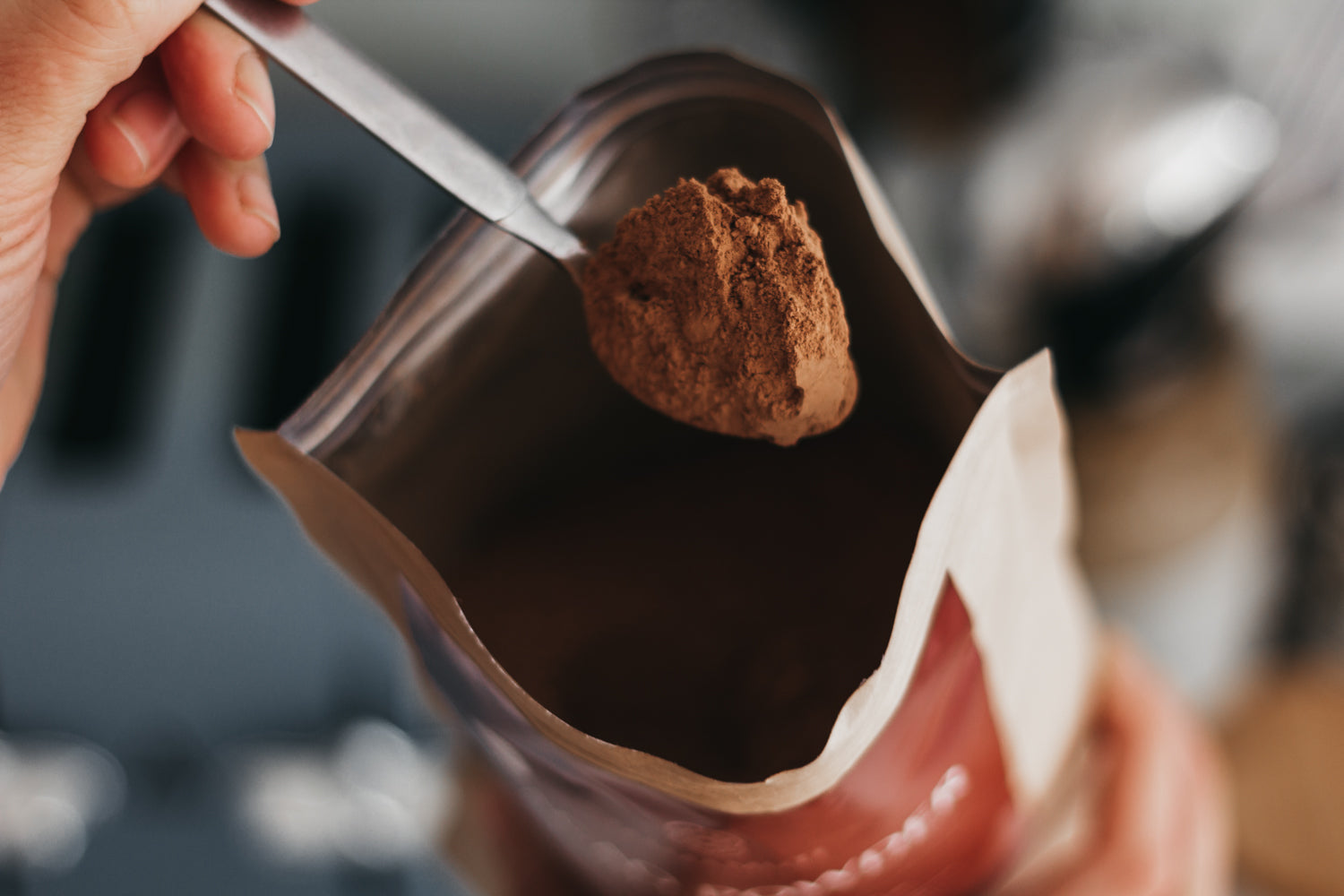
Every part tells us something different about the fruit. The nibs are crunchy, earthy and close to the bean. The paste brings the whole cacao together in its rich, full form. The powder shows us what remains when some of the butter has been pressed away.
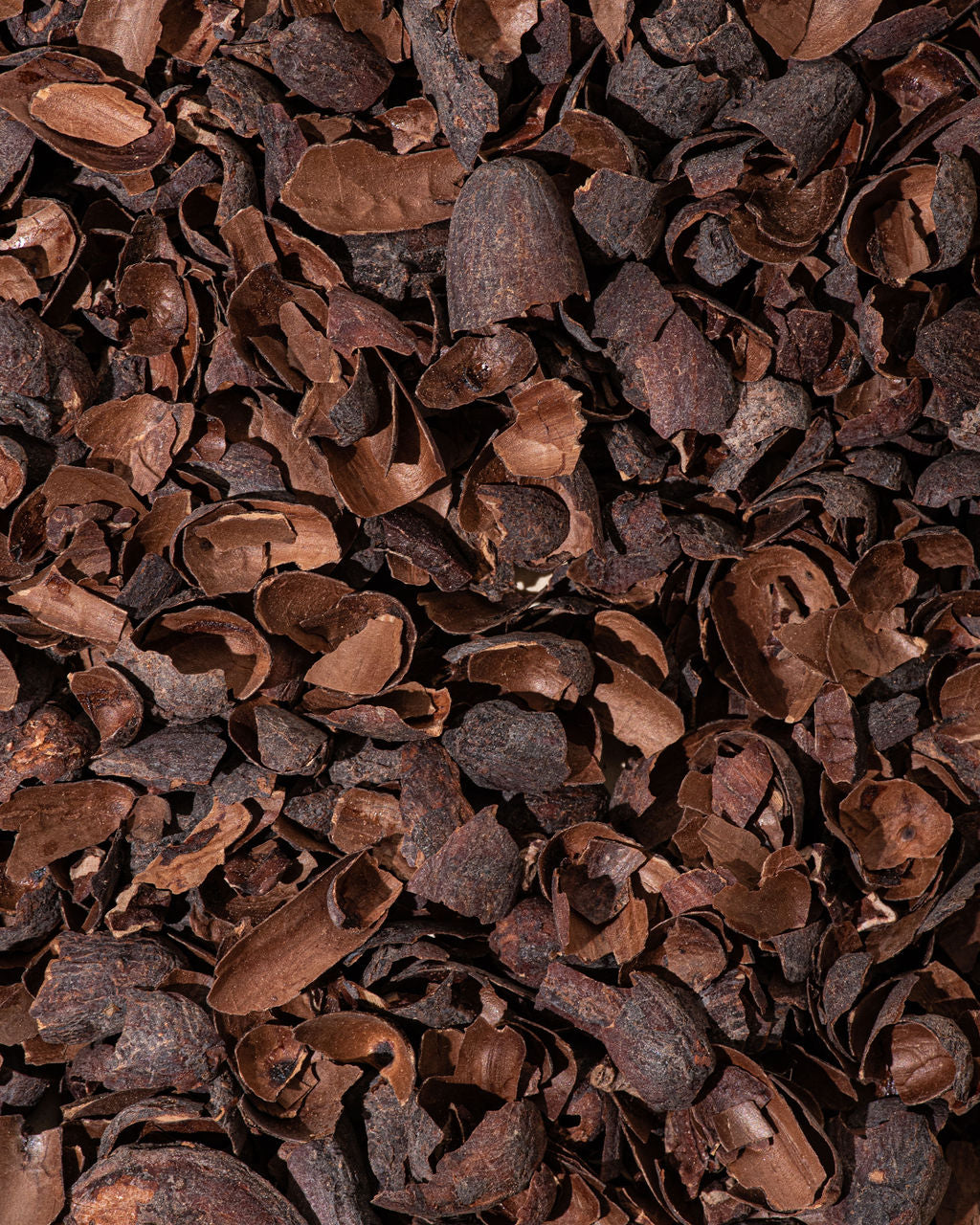
The cacao butter carries the silk, softness and melt. The tea transforms the husk into something fragrant, gentle and completely its own.
Nothing needs to be embellished. Nothing needs a costume. Nothing needs to be turned into something more impressive than it already is.
Cacao can speak for itself. Our job is simply to listen closely enough to hear it.
The danger is not only what we might eat
Technology is moving quickly. Food can now be engineered, replicated, standardised and produced further and further away from the environments it once depended on. There may be places where those technologies are useful.
But I think we still need to ask what happens when efficiency becomes more important than relationship. What happens when the origin of food no longer matters? What happens when we can reproduce the flavour of something without the tree, the farmer, the forest, the season or the story? What happens when profit becomes the loudest voice in the room?
My fear is not only that we lose “real cacao.” My fear is that we become more disconnected. From the earth. From food. From the people who make things. From our own senses. From each other.
Modern life already has a way of wedging disconnection into our days. We communicate through screens. We eat while rushing. We buy things without knowing who made them. We consume without ever meeting the source.
And while technology can connect us in extraordinary ways, it can also leave us strangely far apart. That is why I believe the answer cannot be to abandon progress. The answer is to protect connection alongside it.
We still need fires, tables and stories
I want to believe in a future where we still sit around fires and tell one another stories. Where we pour a beautiful glass of red wine and stay at the table longer than planned. Where we hug. Where we make things together. Where we try something new and make a complete mess of it.
Where we travel, explore, cook, dance, laugh and go on adventures with people we love. Where community is not simply a word we use online. It is something we practise.
Slow food belongs in that future. Because slow food creates gathering. It asks us to sit down. To share. To taste. To talk. To remember. It brings people back to the table and reminds us that pleasure was never meant to be rushed.
This is why Mamamuti exists
Mamamuti is here to help close the gap between the person drinking the cacao and the person growing it.
To make the distance feel smaller. To make the relationship feel more real. To remind you that your cup did not appear by magic.
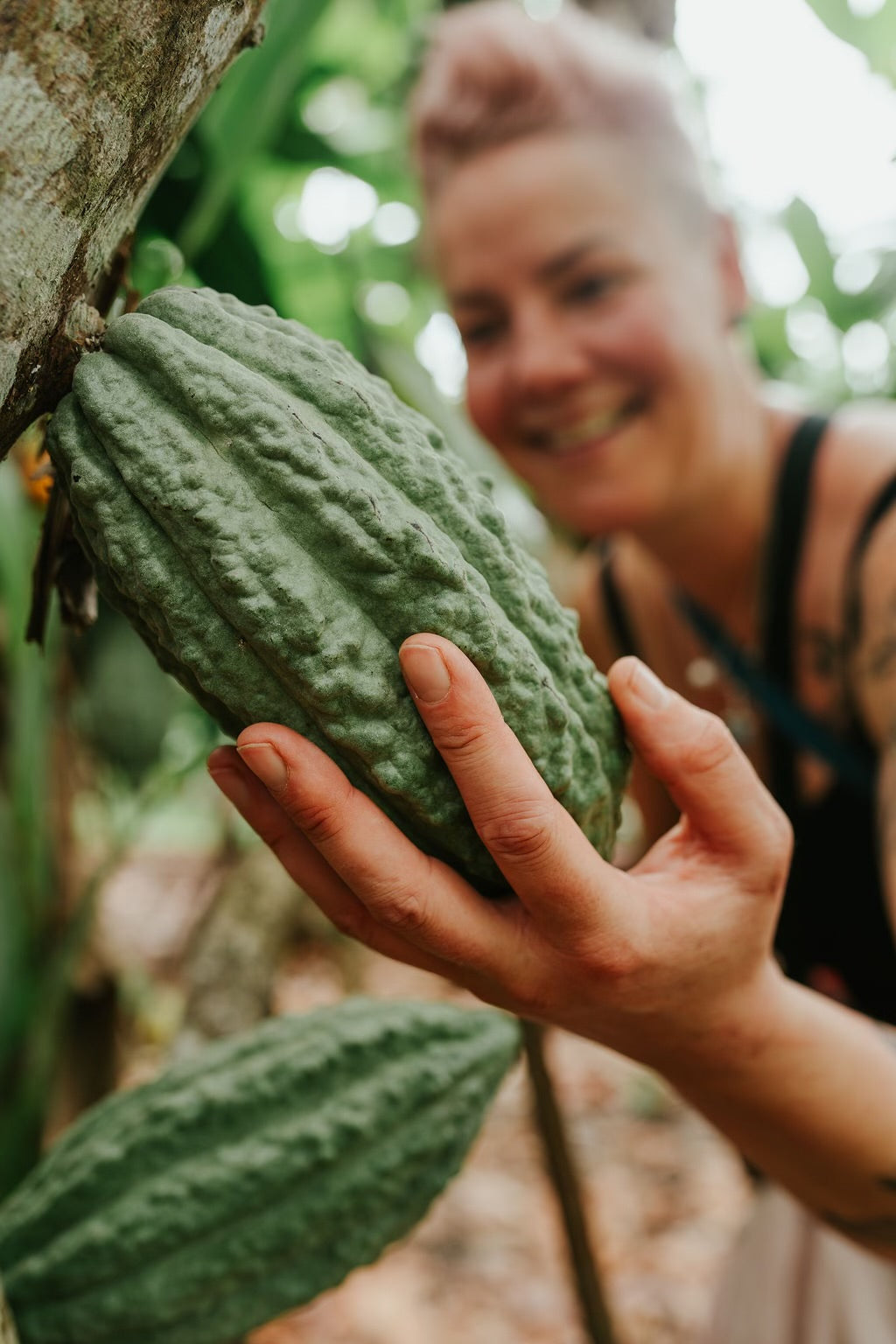
It came from a fruit growing on a tree. In a forest. In a particular place. Tended by real people. Handled by real people. Carried through a chain of human hands before it reached yours.
That matters to me. Because the more we understand the journey, the harder it becomes to treat food as anonymous. The harder it becomes to value cheapness above everything else. The harder it becomes to forget the people behind what we consume.
And perhaps that is one small way we begin to move from separation into connection. From us and them into we.

Your cup is a vote
When you drink a cup of Mamamuti, you are not only choosing cacao. You are voting for slow food. You are voting for the farmer. For the craft. For the rainforest. For biodiversity. For skills that take years to learn. For food with an origin. For food with fingerprints. For food with a story.
You are voting for a future where our children might still know what a rainforest looks like. Where they might still understand that chocolate begins as a brightly coloured fruit growing from the trunk of a tree. Where they can still taste the difference between something grown in one place and something grown in another. Where food has not been completely separated from nature, culture and human hands.
I want to believe in that future. A future where progress does not require us to forget where we came from. Where technology does not replace every old skill simply because it can. Where there is still room for the farmer, the baker, the potter, the fermenter, the maker and the storyteller. Where there is still room for food that takes time. And where we remain connected, not only to the source of our food, but to one another.
That is the future I am voting for.
One honest cup of cacao at a time.
You joining me?
Irma Schutte



Leave a comment
This site is protected by hCaptcha and the hCaptcha Privacy Policy and Terms of Service apply.