

The Cacao Myth Files: Is Cacao Full of Heavy Metals?
A few years ago, headlines about heavy metals in chocolate sent the cacao world into a tailspin. Suddenly, people were asking:
“Is cacao safe to eat?”
“Should I stop drinking it altogether?”
Let’s take a deep breath. And let’s look at the bigger picture.
First of all… what are heavy metals? Lead and cadmium are naturally occurring elements. They’ve always been part of our planet. They’re found in rocks. They’re found in soil. And because plants grow in soil, they’re found, at varying levels, in many of the foods we eat.
This isn’t unique to cacao. Foods such as leafy greens, root vegetables, grains, nuts, seeds and even some fruits can naturally contain trace amounts of these elements. The amount depends largely on where they’re grown and the geology of the region.
That’s an important piece of the story that’s often missing. These elements weren’t suddenly introduced into cacao. They’ve always been part of cacao’s natural environment.
So does cacao contain heavy metals? Sometimes. But here’s the part that often gets left out of the conversation.
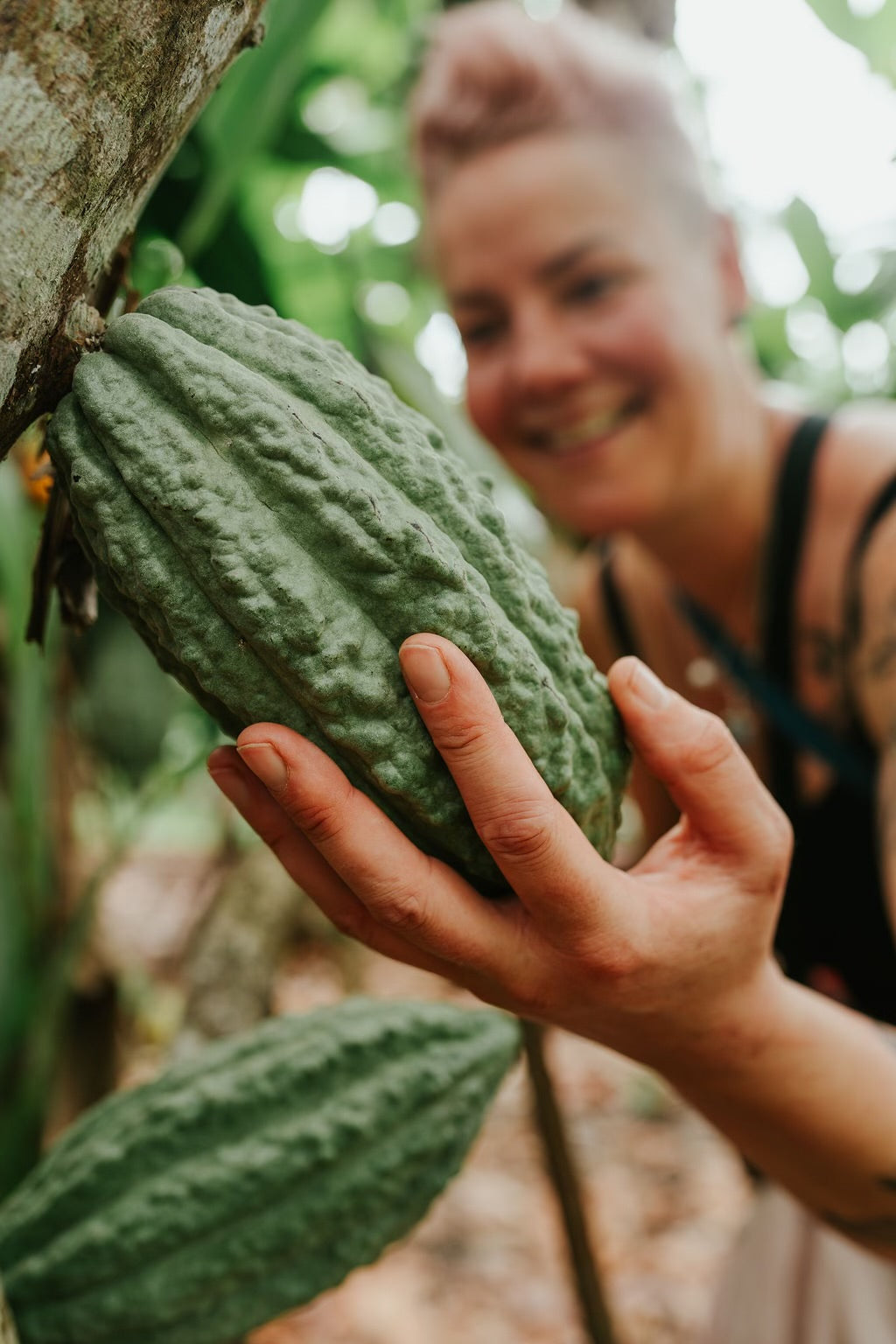
Cacao is a plant. Plants grow in soil. And plants naturally absorb elements from the environment around them. That means the amount of cadmium or lead in cacao can vary depending on where it’s grown, the local geology, farming practices, post-harvest handling and processing.
Not all cacao is the same. Not all growing regions are the same. And not all products contain the same levels.
So why did everyone panic?
Because a headline can travel around the world much faster than the full story.
In 2022, the American consumer advocacy organisation Consumer Reports tested 28 dark chocolate bars sold in the United States. Several of those products contained lead, cadmium, or both at levels that exceeded California’s Proposition 65 guidelines for a one-ounce serving. The report sparked an enormous conversation throughout the chocolate and cacao industry.
And rightly so. Any conversation about food safety deserves to be taken seriously. But somewhere along the way, the story became much bigger than the actual findings.
Many people were left believing that all cacao was contaminated or that drinking cacao was inherently unsafe. That’s not what the report found. What it showed was that heavy metal levels varied considerably from product to product.
Why? Because cacao is an agricultural crop. Cadmium occurs naturally in soils, and some regions naturally contain more than others.
Lead levels can also vary, with research suggesting that environmental exposure and post-harvest handling may contribute in some cases.
Like so many things in nutrition, the truth sits somewhere in the middle. The report didn’t tell us to stop drinking cacao. It reminded us why transparency, good sourcing and understanding where our food comes from matter.
Here’s my perspective.
One of the things I’ve noticed in the wellness world is how quickly we swing from one extreme to another. One day, something is a miracle. The next day, it’s poison.
Life is rarely that simple. Food certainly isn’t. If we’re going to worry about naturally occurring elements in cacao, then we also need to recognise that trace amounts occur in many of the foods we eat every single day.
Yet somehow, cacao became the headline. I’d rather respond with perspective than panic. Instead of asking, “Is cacao good?” or “Is cacao bad?” I’d rather ask, “Where did this cacao come from?” Who grew it? Does the company know its farmers? Does it understand its supply chain? Is it transparent about where its cacao comes from? Those are much more useful questions.
Why sourcing matters.
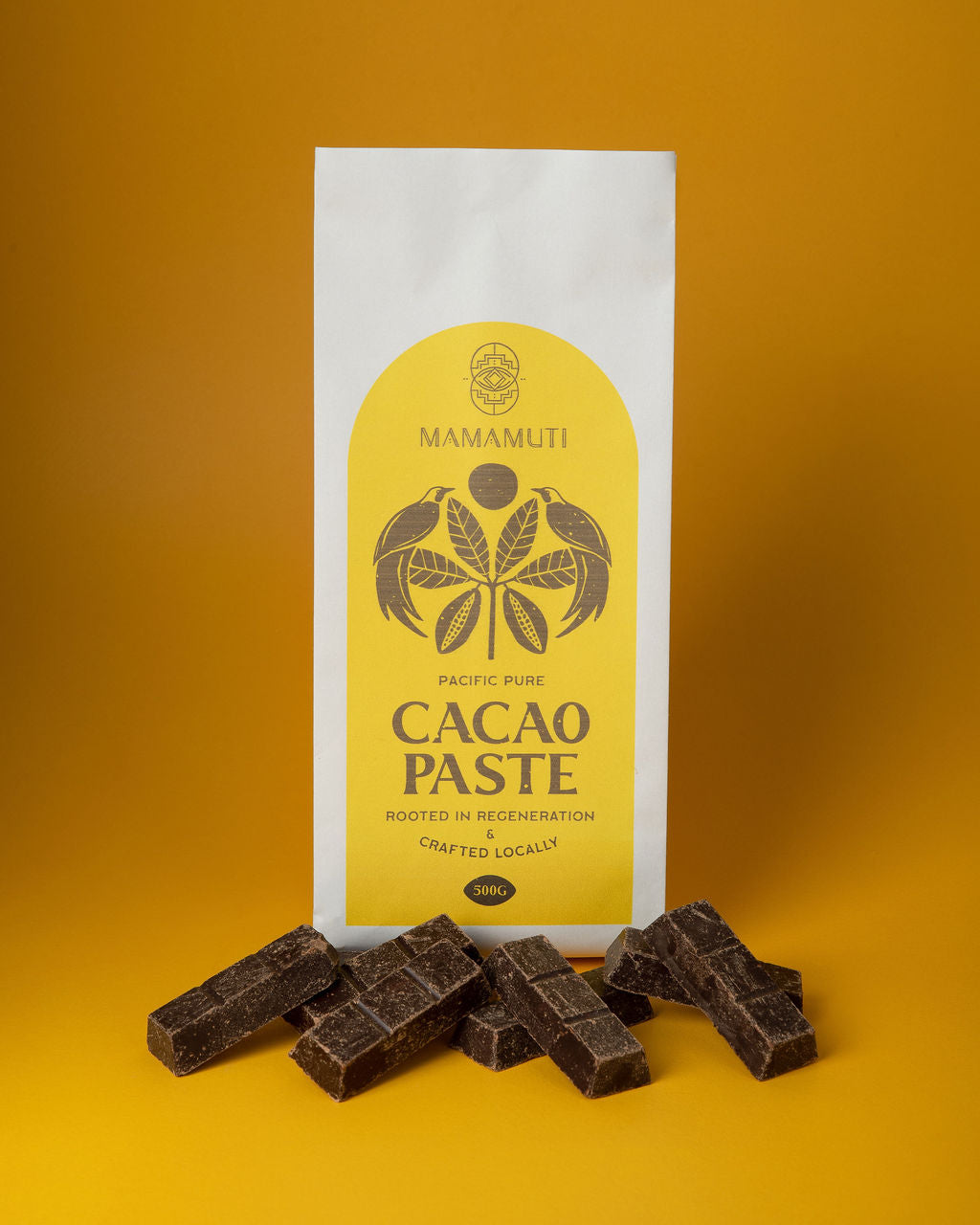
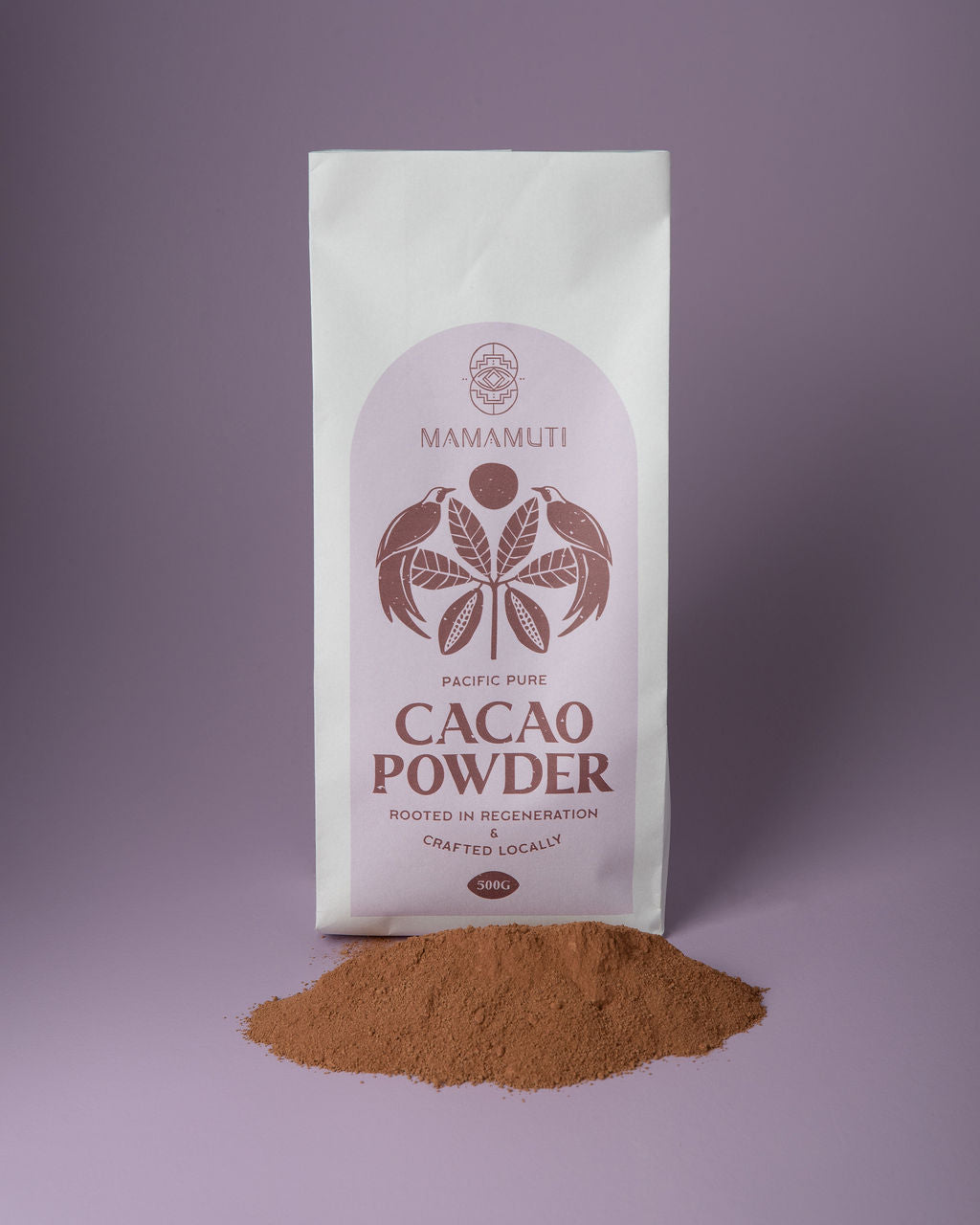
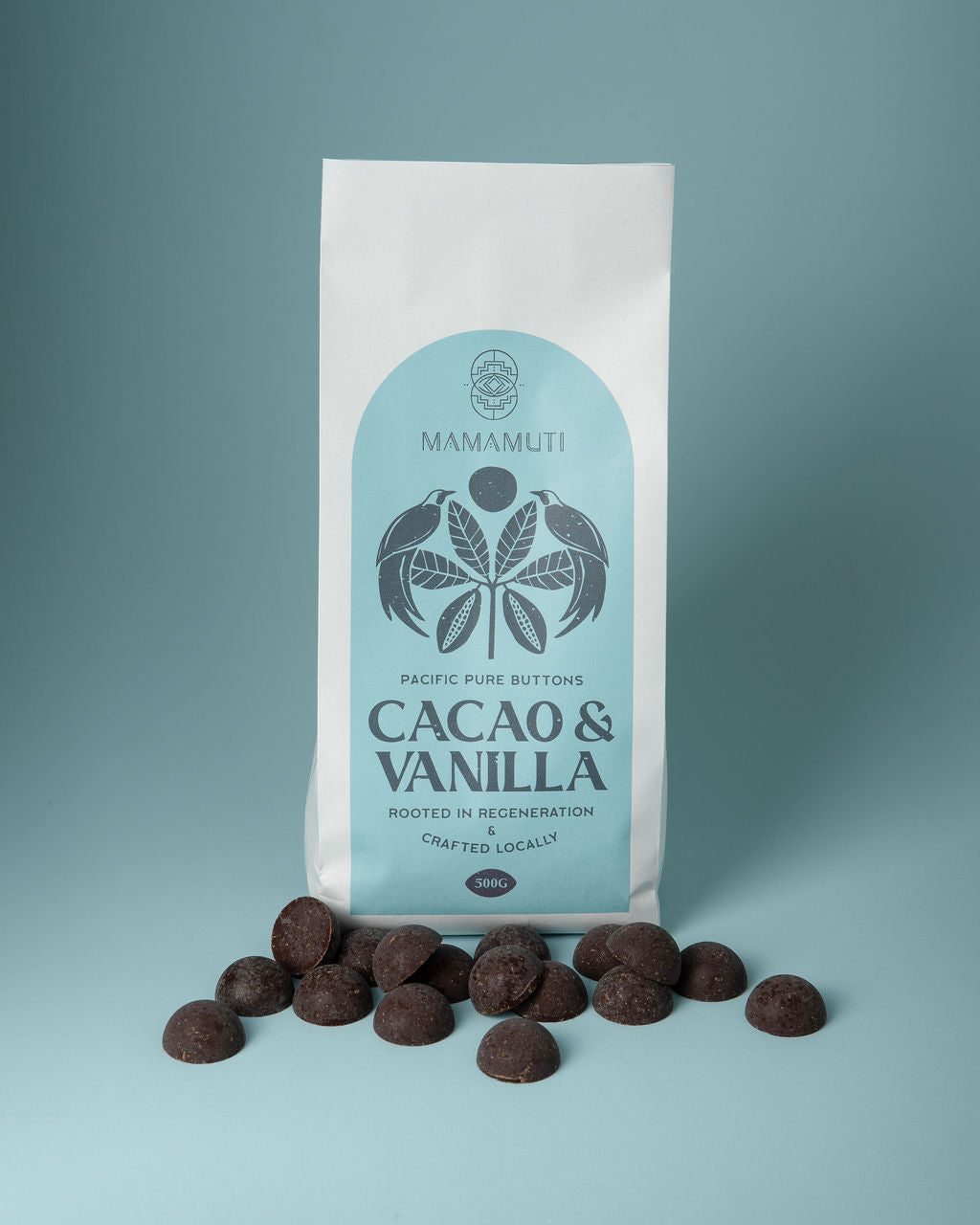
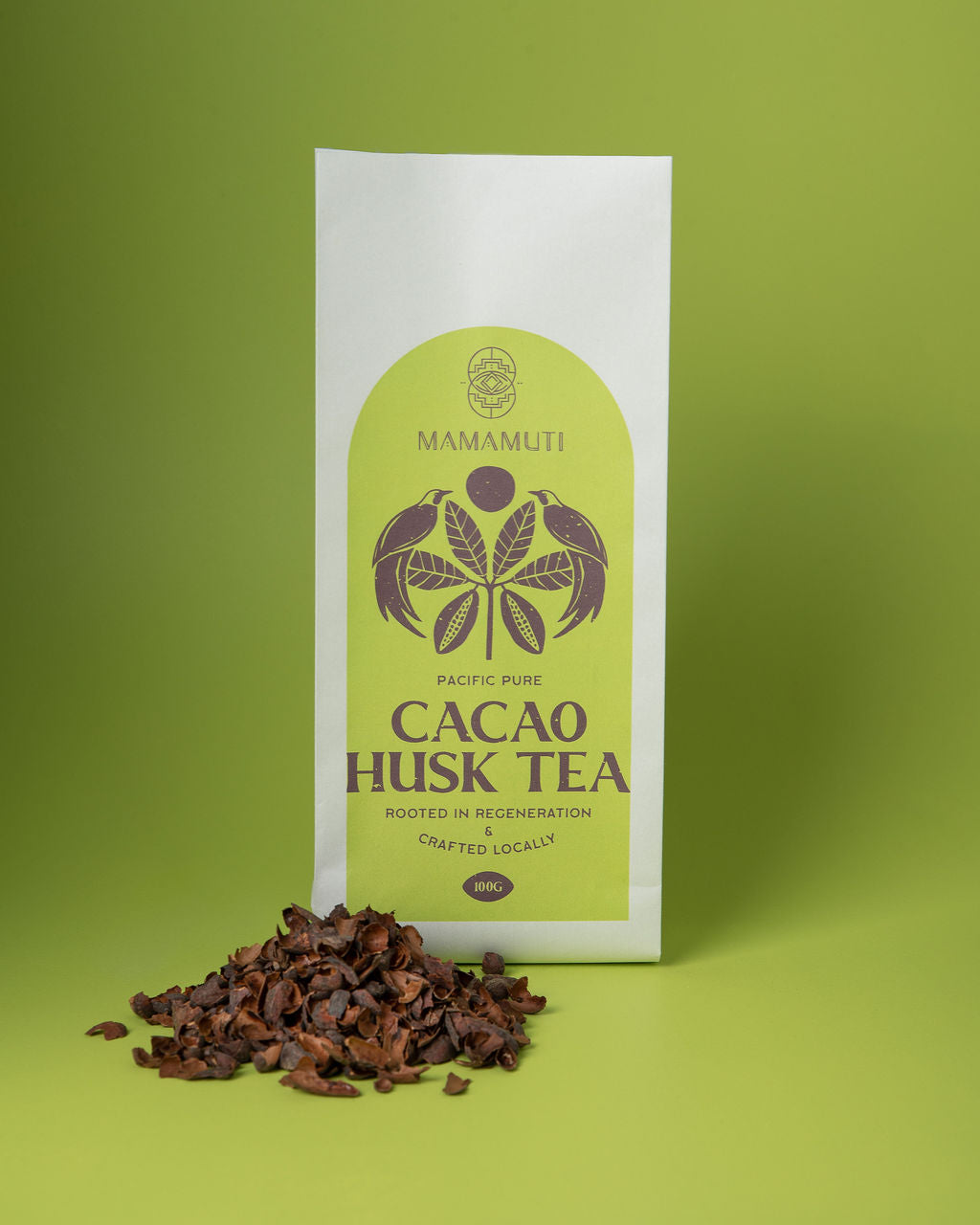
At Mamamuti, we’ve always believed that the story behind the cacao matters just as much as what’s inside it.
That’s why we’ve spent years building relationships with our growers and understanding exactly where our cacao comes from. Transparency isn’t a marketing slogan for us. It’s simply how we do business.
When you know your farmers, understand your supply chain and ask thoughtful questions, you’re in a much better position to source exceptional cacao.
Let’s keep this in perspective. We all make choices every day. The water we drink. The air we breathe. The food we eat. None of it exists in a perfectly pure world.
That doesn’t mean we stop eating vegetables because they grow in soil. It doesn’t mean we stop eating spinach because it naturally contains oxalates. And it doesn’t mean we should stop enjoying cacao because some products raised legitimate questions about heavy metals.
It means we stay informed. We ask better questions. We support transparent producers. And we avoid making decisions based solely on scary headlines.
A final thought.
One of the things I hope Mamamuti inspires is perspective. Not panic. Curiosity. Not fear. The internet loves certainty. Real life is usually more nuanced than that.
So read beyond the headline. Ask questions. Think for yourself. Trust your common sense. Because one headline rarely tells the whole story.
Less fear.
More curiosity.
That’s the Mamamuti way.
With all my heart
Irma Schutte
*At Mamamuti, we independently test our cacao for heavy metals. If you’d like to view our latest test reports, simply email me at hello@mamamuti.com and I’ll happily send them through.



Leave a comment
This site is protected by hCaptcha and the hCaptcha Privacy Policy and Terms of Service apply.