

The Cacao Myth Files: Is Raw Cacao Really Raw?
One of the biggest myths in the cacao world is the idea that raw cacao is somehow superior.
It’s become one of the most powerful marketing terms in the wellness industry, but it’s also one of the most misunderstood.
So let’s zoom out for a moment, take a breath, and look at cacao’s journey from tree to cup.
So… is raw cacao actually ‘raw’?
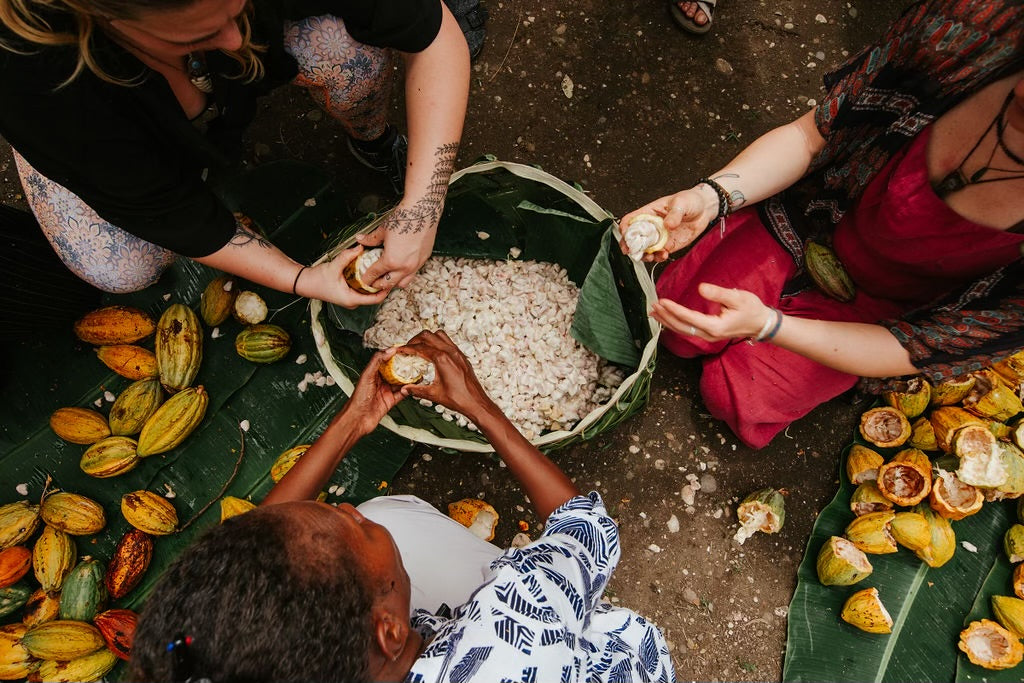
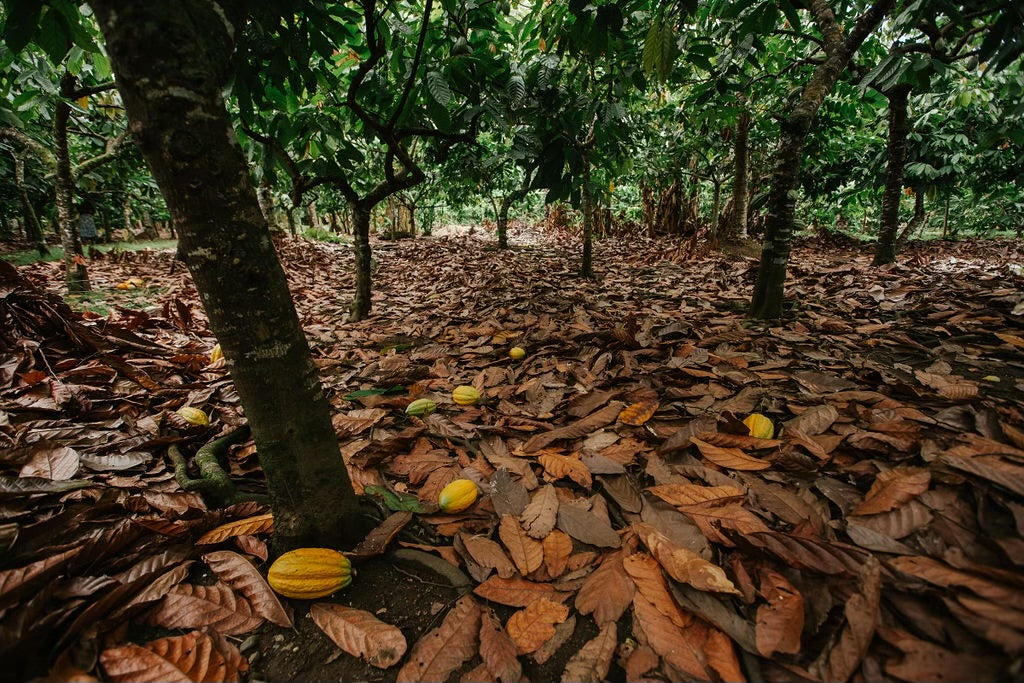
Not in the strict sense of the word. In fact, if we’re guided by the definition of raw, the closest thing to truly raw cacao is a freshly harvested cacao pod. Crack one open and you’ll discover fresh cacao beans wrapped in a sweet, white, fruity pulp.
That’s raw cacao.
Quick Side Note
A little piece of ‘useless’ (but surprisingly interesting) cacao intel…
While we’re on the topic of using better language around cacao, here’s another one.
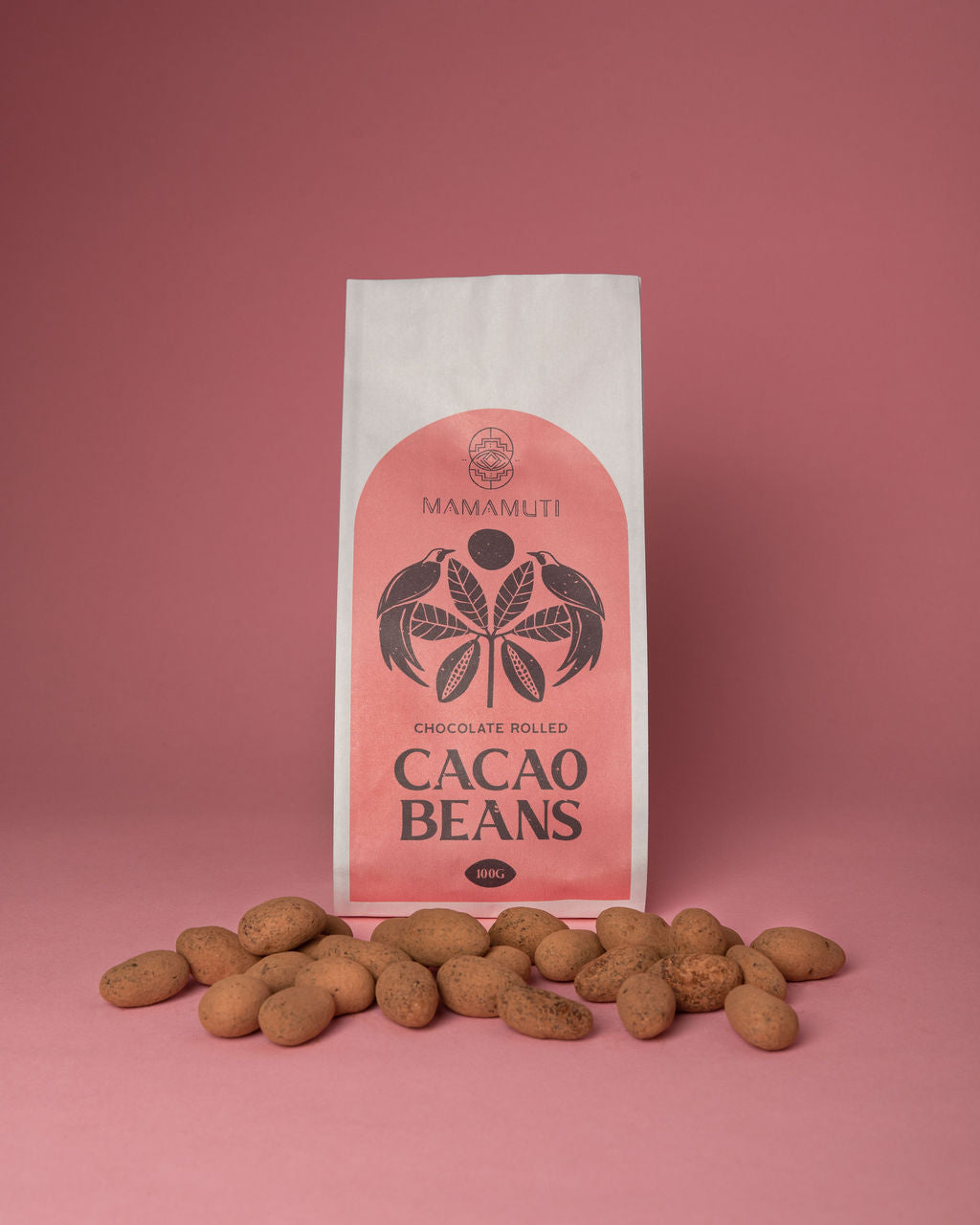
We all call them cacao beans, but botanically, they’re not actually beans at all.
Cacao isn’t part of the legume family. The cacao pod is a fruit (technically a berry), and what we commonly call beans are actually the seeds found inside that fruit.
Will I still occasionally say cacao beans? Probably. It’s the term most people recognise. But if we’re trying to understand cacao a little more deeply, it’s worth knowing that we’re really talking about cacao seeds.
Ok, back to the moment those beans/seeds are removed from the pod, the journey begins.
The beans are piled together to ferment, an entirely natural and essential stage of cacao production. During fermentation, naturally occurring yeasts and bacteria break down the sugary pulp surrounding the beans, generating heat as they work.
Temperatures during fermentation commonly rise above 45–50°C, and can climb even higher depending on the climate, the size of the fermentation and the producer’s methods.
Why is that important?
Because the raw food movement generally defines a food as “raw” if it hasn’t been heated above about 46-48°C.
In other words, cacao naturally exceeds that threshold before it has even left the farm.
Sometimes I think we overcomplicate things.
If we simply zoom out and look at cacao’s entire journey, it becomes clear that heat has always been part of its story.
After fermentation, the beans are dried, usually under the tropical sun. Many producers then roast the beans, while others choose not to.
Roasting is an ancient and traditional part of cacao’s story.
Long before modern chocolate existed, Mesoamerican cultures, including the Maya and later the Aztec, roasted cacao beans before grinding them into a paste for drinks and foods. Roasting wasn’t an accident or a shortcut, it was a deliberate craft that helped unlock the remarkable flavour and aroma hidden inside each bean.
Today, chocolate makers continue that tradition. Depending on the origin of the beans and the flavour they’re hoping to achieve, cacao is commonly roasted between 110°C and 140°C.
There isn’t one perfect roasting temperature.
Roasting is craftsmanship.
Done well, it develops the rich chocolate notes, enhances aroma, softens unwanted bitterness and acidity, and creates much of the complexity we associate with exceptional chocolate.
It’s one of the reasons chocolate tastes like chocolate.
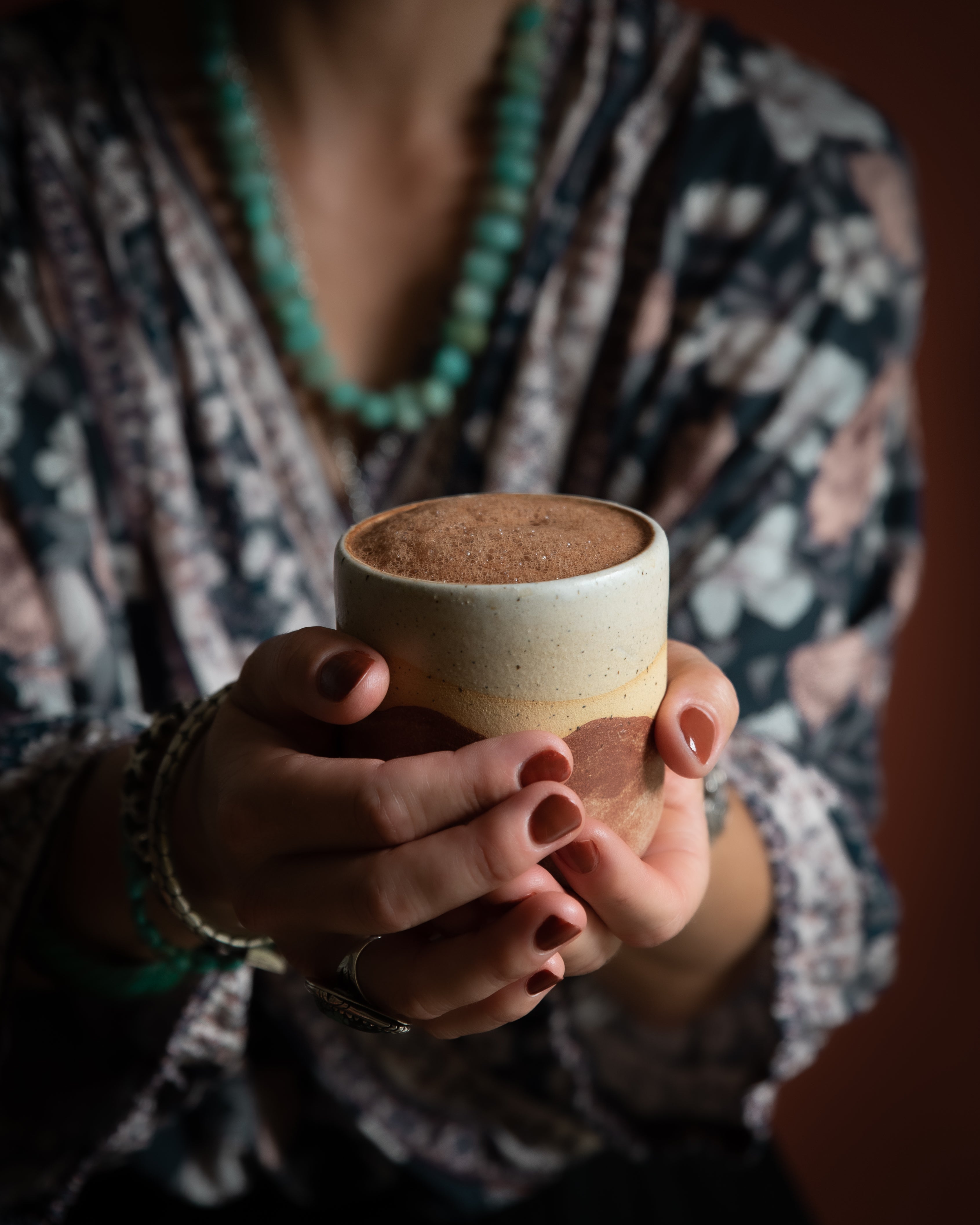
Heat isn’t the enemy of cacao. It’s part of cacao’s story. Fermentation uses heat. The tropical sun uses heat. Traditional roasting uses heat. Even making yourself a beautiful mug of cacao uses heat.
Rather than fearing heat, I’d rather celebrate the farmers and chocolate makers who know exactly how to use it.
So, from a strict raw food perspective, truly “raw cacao” doesn’t really exist.
My take?
Personally, I’d love to see the industry retire the term raw cacao. I’d much rather call it pure cacao.
To me, that’s a far more honest description. It shifts the conversation away from clever marketing and back to what actually matters.
Where was the cacao grown?
Who grew it?
How was it fermented?
How was it processed?
How does it taste?
Was it grown with respect for the land?
Does buying it support the farming communities behind it?
Those are the questions worth asking. At Mamamuti, we don’t believe the word raw tells you very much about the quality of a cacao.
I’d rather talk about flavour. I’d rather talk about farmers. I’d rather talk about transparency. I’d rather talk about craftsmanship. Because that’s where great cacao is born.
A final thought
One of the things I hope Mamamuti inspires is a little more curiosity and a little less fear. The cacao world doesn’t need more rules. It doesn’t need more labels. It doesn’t need more marketing buzzwords.
It needs people who are willing to ask questions, think critically and trust both good science and their own experience.
That’s why I created The Cacao Myth Files. Not to tell you what to believe. Not to replace one set of rules with another. But to encourage you to zoom out, look at the facts, use a bit of common sense, and become curious again.
Drink cacao because you love it. Support brands that are transparent. Celebrate the farmers who dedicate their lives to growing this extraordinary food. And remember that your relationship with cacao is yours alone. Less fear. More curiosity.
That’s the Mamamuti way.
With all my heart


Leave a comment
This site is protected by hCaptcha and the hCaptcha Privacy Policy and Terms of Service apply.