

Article: What Happens When You Drink Pure Cacao Every Day?
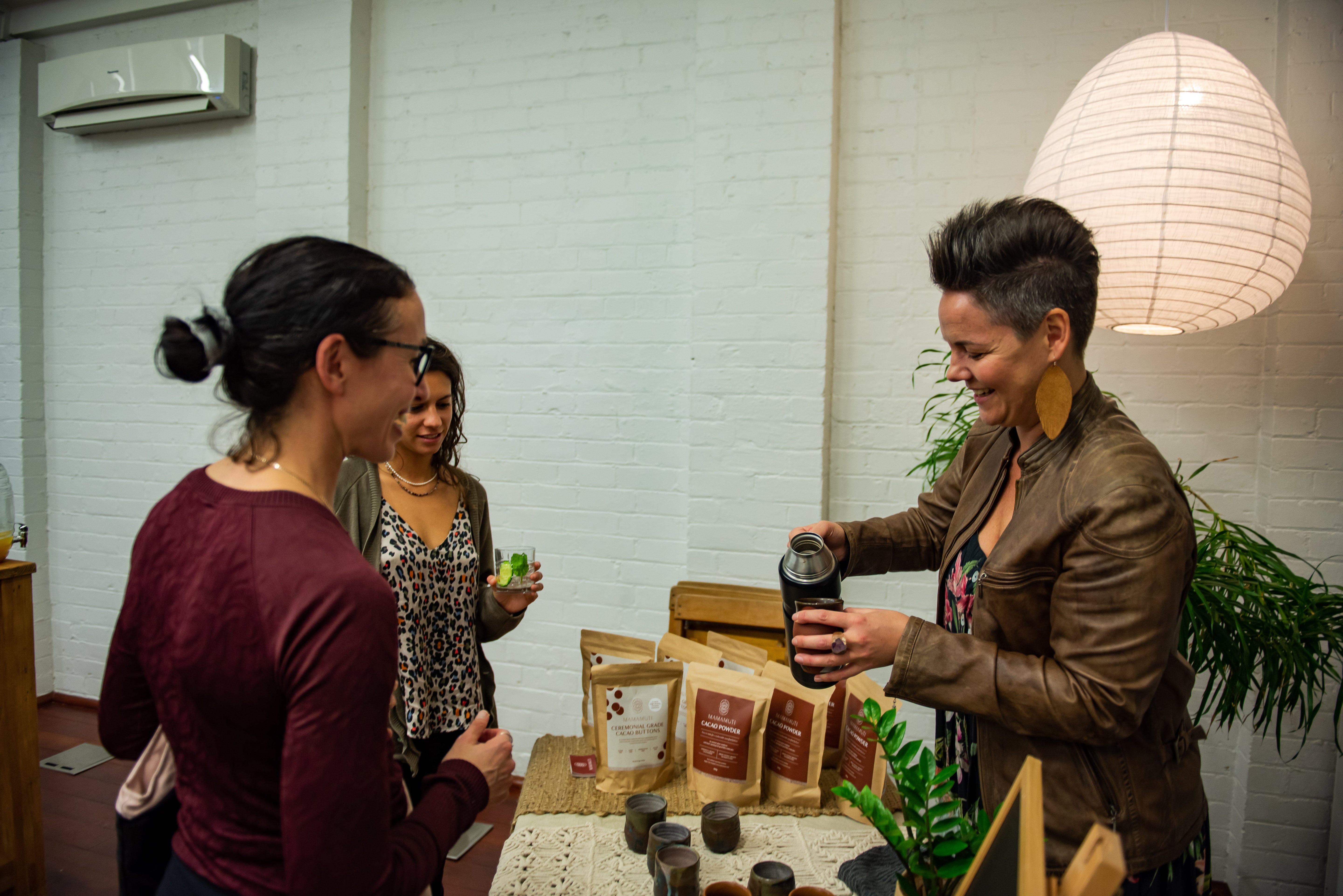
What Happens When You Drink Pure Cacao Every Day?
For thousands of years, cacao wasn’t dessert. It wasn’t wrapped in shiny foil. It wasn’t filled with caramel. It wasn’t marketed as a guilty pleasure. It was simply food. Rich. Nourishing. Hugely respected.
Today, the word chocolate makes most of us think of sugar, Easter eggs and something to sneak from the pantry after dinner, but chocolate and pure cacao are two very different things.
This article isn’t about chocolate. It’s about cacao in its purest form. The kind that’s made from the whole cacao seed. The kind that’s broken into crunchy nibs, stone-ground into a rich paste, or gently milled into natural cacao powder. The kind that still behaves like food. Because when you strip away the sugar, milk solids and ultra-processing, something remarkable is left behind. A whole food that has been nourishing people for thousands of years.

First things first…Cacao is technically a berry.
Surprised?
The colourful pods that grow straight from the trunk and branches of the cacao tree are fruit. Botanically speaking, they’re berries. Inside each pod are rows of creamy white pulp wrapped around what almost everyone calls “cacao beans.” Except they aren’t beans at all. They’re seeds. The name “bean” has simply stuck because, once they’re fermented and dried, they look a little like broad beans. Those seeds are where everything begins. After harvesting, they’re fermented, dried and roasted.
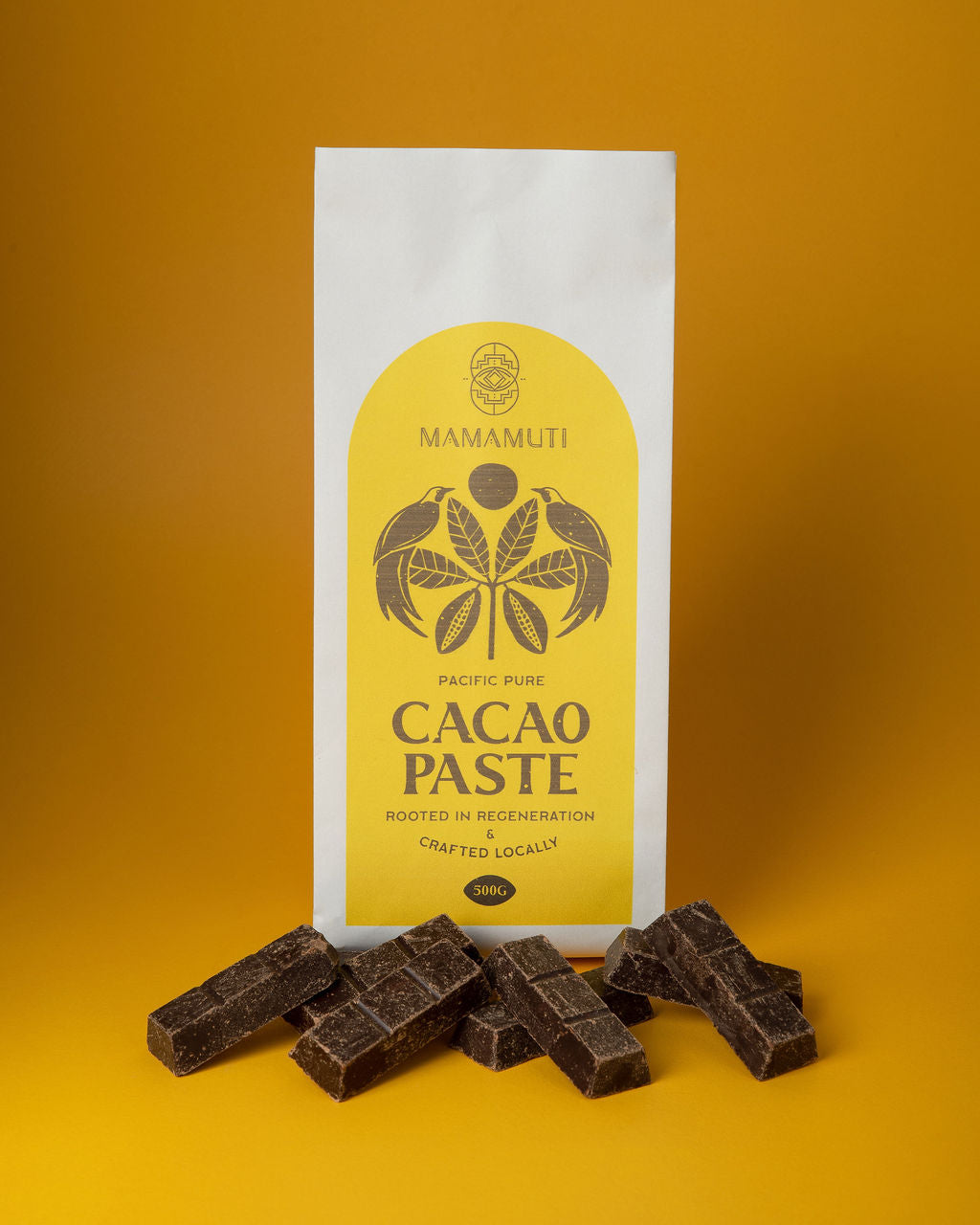
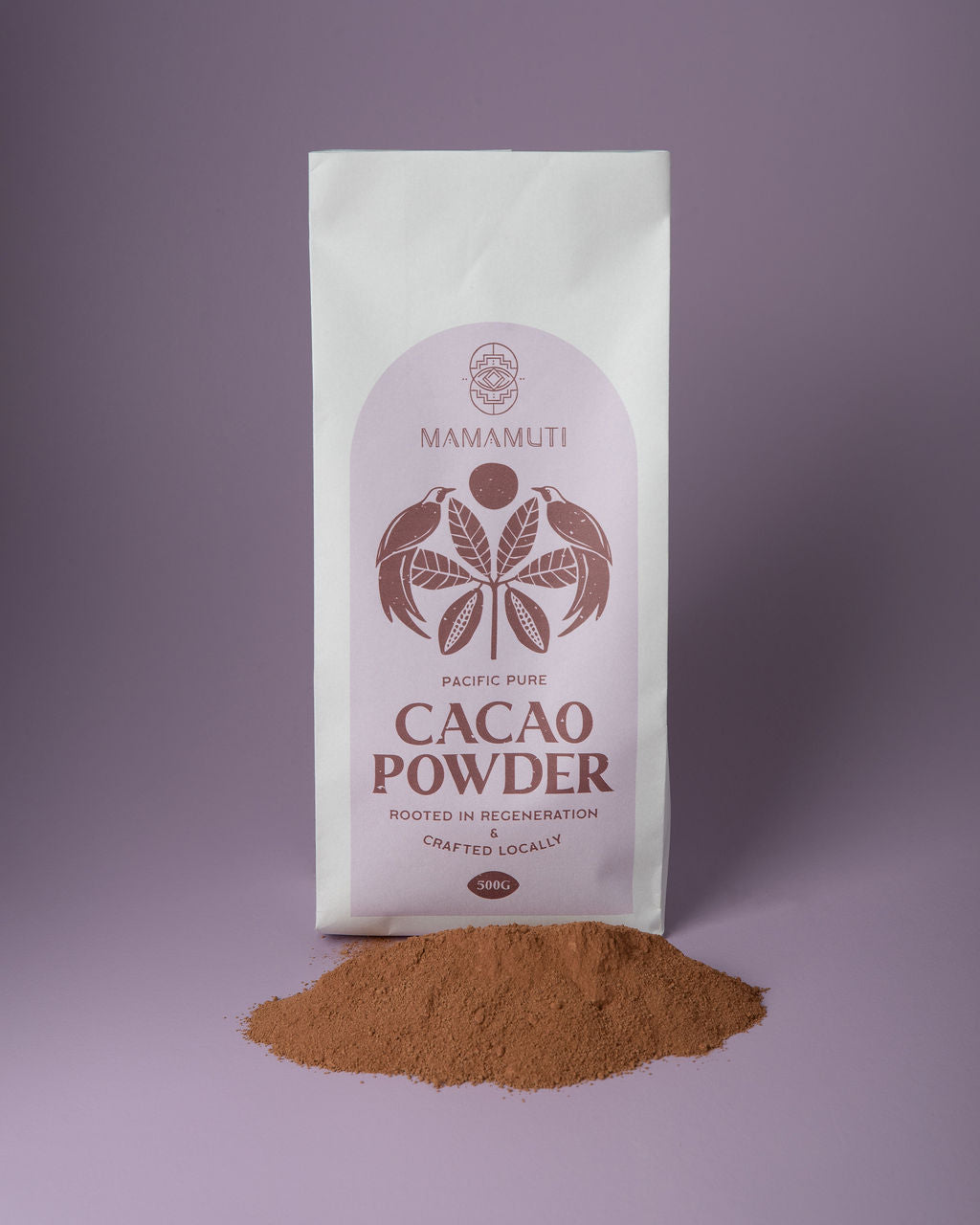
Break them into small crunchy pieces and you have cacao nibs - cacao in one of its purest forms. Stone-grind those nibs and something wonderful happens. Their natural cacao butter is released, transforming them into a smooth, velvety cacao paste. Press some of that cacao butter from the paste and mill what’s left into a fine powder, and you have natural cacao powder.
Three forms.
One remarkable food.
At Mamamuti, we’re particularly fond of paste because it contains the whole seed, exactly as nature intended, natural cacao butter and all. But nibs, paste and powder each have their own place in the kitchen, and each offers a delicious way to enjoy pure cacao.

A little history (because cacao has earned it)
Long before cacao found its way into chocolate bars and supermarket shelves, it was food.
For thousands of years, Indigenous communities throughout Central and South America cultivated cacao, traded it, prepared it and drank it. It was woven into everyday life, shared with family and guests, and valued as both nourishment and hospitality.
The cacao they enjoyed would be almost unrecognisable to many people today.
There were no caramel centres. No marshmallows. No milk chocolate blocks.
Cacao seeds were fermented, dried and roasted before being crushed or ground and mixed with water. Depending on where it was prepared, honey, chilli, vanilla, flowers, spices, mushrooms or local herbs might be added.
It was earthy. Bold. A little bitter. Deeply satisfying.
When cacao arrived in Europe during the 1500s, its story began to change. Sugar became more widely available. Milk was added. Recipes evolved. Over time, chocolate became sweeter, creamier and further removed from the original food.
There’s absolutely nothing wrong with enjoying really good bean-to-bar chocolate. We certainly do, but it’s important to know that chocolate and pure cacao are doing very different jobs.
Chocolate is usually a confection. Pure cacao is still a whole food. And that’s the cacao we’re talking about here. Not because it’s fashionable. Not because it’s trendy. But because it’s where cacao’s story began. And, in our opinion, it’s still where cacao shines brightest.

So, what makes pure cacao so remarkable?
If you’ve ever searched “benefits of cacao”, you’ve probably found the same list over and over again.
Magnesium.
Iron.
Antioxidants.
Theobromine.
Tick. Tick. Tick.
They’re all worth talking about, but they’re only part of the story. Pure cacao isn’t remarkable because of one nutrient. It’s remarkable because hundreds of naturally occurring compounds work together inside one beautifully complete whole food. Nature rarely works in isolation. And cacao is a wonderful example of that.
Theobromine: the gentle lift
If coffee is the friend who bursts through the front door announcing their arrival…
Cacao is the friend who quietly puts the kettle on. One of cacao’s best-known compounds is theobromine. It’s in the same family as caffeine, but behaves very differently. Rather than delivering a sharp burst of energy followed by an afternoon slump, theobromine provides a slower, gentler lift. Many people describe feeling more alert, more focused and more present, without the jitters they often associate with coffee. Of course, we’re all different. Some people are more sensitive than others, but for many, that’s one of the reasons cacao feels so good to drink.
Magnesium: the quiet over achiever
Your body uses magnesium in hundreds of different processes, from supporting muscles and nerves to helping produce energy. Modern diets can make it surprisingly difficult to get enough magnesium, which is one of the reasons pure cacao has earned its reputation as a deeply nourishing food.
Iron and calcium: everyday nourishment
Pure cacao also contains naturally occurring iron and calcium. Iron helps transport oxygen around the body and supports healthy energy levels. Calcium contributes to healthy bones, muscles and normal cell function. They’re not glamorous nutrients. They simply get on with the job. Rather like cacao itself.
Cacao butter: don’t fear the fat
For years we’ve been taught to fear fat. Cacao, thankfully, never got the memo. The natural cacao butter found in cacao paste is part of what makes it so rich, creamy and satisfying. It’s not something we’ve added. It’s something nature put there. And at Mamamuti, we think that’s exactly where it belongs.
Fibre that’s feeding more than you
Pure cacao is naturally rich in fibre. Not just the kind that helps keep everything moving, but prebiotic fibre. Prebiotics feed the beneficial bacteria already living in your gut. Those tiny microbes play an important role in digestion, immunity, mental wellbeing and many other aspects of health that researchers are still discovering. So every cup of cacao is feeding more than just you.
The compounds everyone loves talking about
You’ll often hear people mention compounds like phenylethylamine (PEA) and tryptophan. PEA has been associated with feelings of motivation, excitement and reward. Tryptophan is an amino acid your body uses to make serotonin, one of the many chemicals involved in regulating mood. They’re fascinating, but it’s easy to give them too much credit. No single compound explains why cacao makes so many people feel good. It’s the whole package that matters. The minerals. The healthy fats. The fibre. The plant compounds. The simple ritual of slowing down long enough to enjoy them. That’s how whole foods work. They’re greater than the sum of their parts.

Why consistency matters
We live in a world that loves quick fixes.
The seven-day challenge.
The miracle supplement.
The promise that everything will change overnight.
Cacao has never worked like that.
One cup probably won’t change your life.
One hundred cups might.
Not because cacao performs miracles.
But because consistently choosing real food has a quiet way of changing us.
You pause.
You breathe.
You make something with your own hands.
You give your body something genuinely nourishing.
And those small moments begin to add up.
Day after day.
Cup after cup.
Not overnight.
Quietly.
Perhaps that’s cacao’s greatest gift.
Not that it changes who you are, but that it gently reminds you what feeling well can feel like.
And when you feel well, it’s often a little easier to make choices that look after the rest of you too.
Cacao is for real life
At Mamamuti, we don’t believe cacao belongs on a pedestal. It belongs in real life. In kitchens. Around dinner tables. On camping trips. At beach houses. In a favourite mug after everyone else has gone to bed. Some people enjoy it before work. Some after work. Some stir it into porridge. Some blend it into smoothies. Some scatter nibs over yoghurt. Others gather friends around the table and let one pot of cacao become the start of a really good conversation. There isn’t a right way to enjoy cacao. It simply meets you where you are.

What cacao has taught me
I’ve spent a lifetime learning about cacao. Not just from books or research, but from years of making it, sharing it and drinking it. From visiting cacao plantations, opening fresh pods straight from the tree, learning from growers, and seeing first-hand where cacao’s story begins. And somewhere along the way, I realised cacao had been teaching me too. To be a little more present. To stop rushing through life. And to remember that some of the best moments are often the simplest. Hand on heart, I can honestly say I’ve never, ever regretted making a cup of cacao. Not once have I thought,
“Damn… I wish I hadn’t had that cacao.”
Life doesn’t suddenly become perfect. The washing still needs doing. The emails are still waiting, but somehow, everything feels a little more manageable. For me, that’s cacao’s greatest gift. Not that it changes life, but that it changes how I meet it.
Pleasure isn’t something you earn once everything else is done.
It’s part of living well. Some of life’s best conversations happen over a warm cup. And perhaps the question cacao has whispered most often is this:
Does this feel like love?
Not just when choosing what to eat, but when deciding how to spend your time. Who you surround yourself with. How you speak to yourself. How you care for your body. It’s a surprisingly useful question.
Is cacao for everyone?
One of the things we love most about pure cacao is that it doesn’t ask you to fit a particular mould. It simply meets you where you are.
If you’re raising little humans…
A small cup of pure cacao or a sprinkle of cacao nibs can be a beautiful way to introduce children to real food and real flavour, instead of sugar-loaded hot chocolate.
If life feels wonderfully busy…
A cup of cacao offers something many of us don’t give ourselves enough of…a few quiet minutes to stop, breathe and reset.
If you’re navigating pregnancy or perimenopause…
Your body deserves nourishment, not punishment. Pure cacao can be one delicious part of that picture. If you’re pregnant or managing a health condition, have a chat with your healthcare provider about what’s right for you.
If you’re training hard, working hard or simply trying to look after yourself…
Cacao fits beautifully into everyday life because it’s food first. Not a supplement. Not a trend. Just food. At the end of the day, cacao doesn’t really care how old you are or what stage of life you’re in. It simply asks you to slow down long enough to enjoy it.

Why we’re unapologetically Team Paste
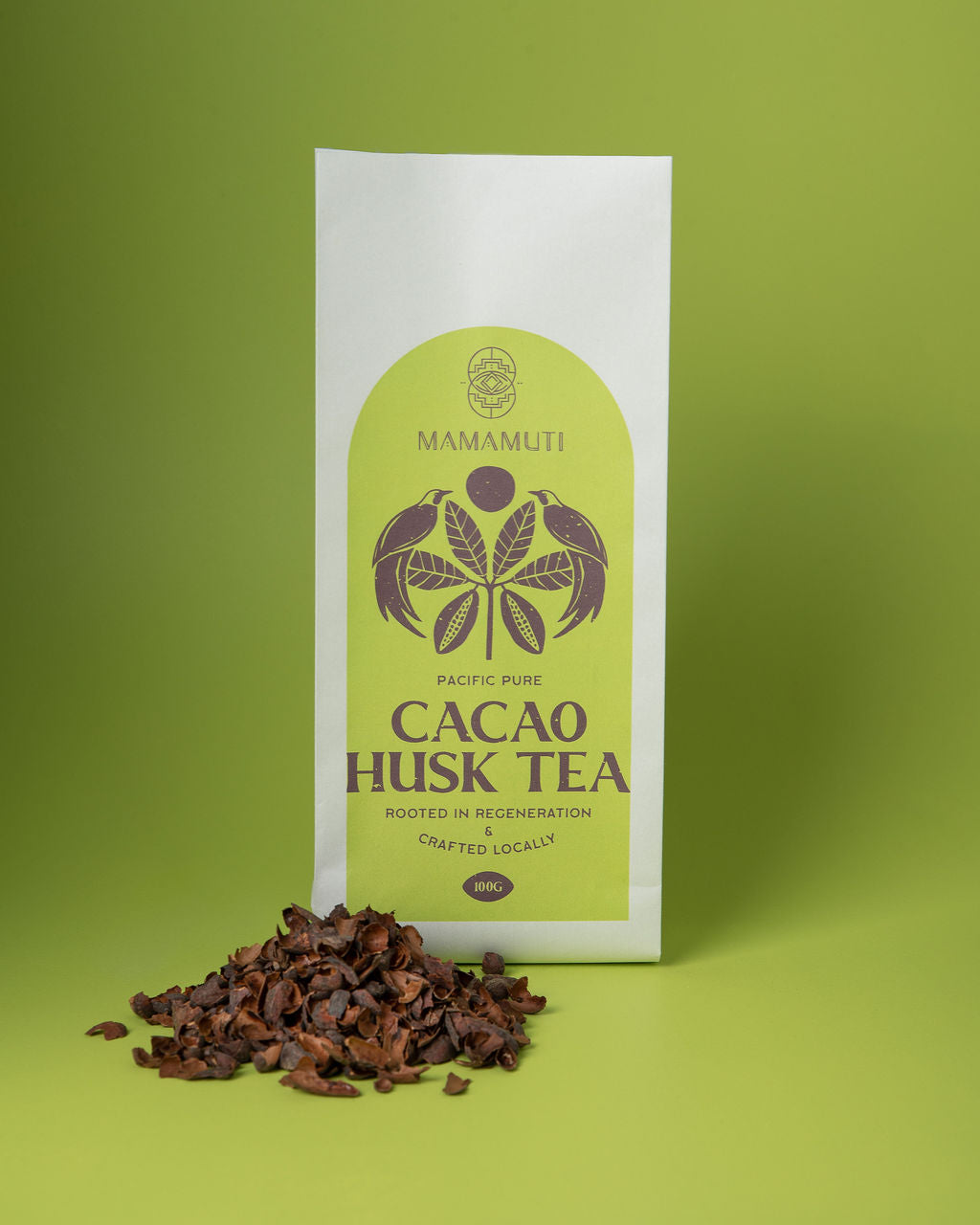
We genuinely love cacao in all its forms. Crunchy nibs. Beautiful natural powder. Earthy grounding tea. They’re all made from the same remarkable seed, but if we had to choose just one, we’d choose paste. Every time. Why? Because cacao paste is the whole seed, stone-ground until its natural cacao butter is released. Nothing has been removed. Nothing has been added back in.
It’s rich. Creamy. Deeply satisfying.
It tastes like the whole story.
That’s why nearly every cup we drink at Mamamuti starts with paste.
Not because it’s trendy.
Not because it’s fashionable.
Simply because whole foods have always made the most sense to us.
So… what are the benefits of pure cacao?
You could measure cacao by its impressive nutritional profile and the remarkable compounds it naturally contains. And they matter, but perhaps cacao’s greatest gift is harder to measure. It invites us to pause. To nourish ourselves. To gather. To slow down. To remember that food can be both deeply nourishing and deeply pleasurable. And to ask one simple question:
Does this feel like love?
Not just when we choose what to eat, but in how we care for ourselves. How we spend our time. And how we show up for the people we love. At Mamamuti, we don’t believe cacao is a miracle. We believe it’s a remarkable whole food.
One that’s nourished people for thousands of years.
One that’s best shared.
Frequently Asked Questions About Pure Cacao
Can I drink pure cacao every day?
For most people, yes.
Pure cacao is a whole food, not a supplement, and many people enjoy it as part of their daily routine. As with anything, the key is listening to your body. Start with a smaller amount, notice how you feel, and find what works for you.
Is cacao high in caffeine?
Not really.
Cacao contains a small amount of caffeine, but it’s much better known for theobromine, a naturally occurring compound that provides a gentler, longer-lasting lift than coffee. If you’re particularly sensitive to caffeine, start with a smaller serving and see how your body responds.
Can I drink cacao at night?
Many Mamamuti customers do.
In fact, so do I. While everyone responds differently, many people find cacao calming rather than stimulating. If you’re new to cacao, try a smaller cup in the evening and see how you feel.
Is cacao good for children?
Pure cacao can absolutely be part of a family’s diet.
Because cacao naturally contains theobromine and a little caffeine, children generally need much smaller amounts than adults. We love stirring a little cacao into warm milk or sprinkling cacao nibs over breakfast for an occasional whole-food treat.
Is cacao the same as cocoa?
Not quite.
Both come from the same cacao seed, but the words are often used differently.
“Cocoa” usually refers to products that have been more heavily processed or sweetened.
“Cacao” is generally used to describe products that are closer to the original whole food.
At Mamamuti, we focus on pure cacao because we believe the less you interfere with a beautiful ingredient, the more it has to offer.
What’s the best way to enjoy pure cacao?
There isn’t one.
Some people love it rich and creamy with oat milk.
Some enjoy it with water.
Some blend it into smoothies.
Others cook with it, bake with it or sprinkle nibs over breakfast.
The best cup of cacao is the one you’ll actually make.
So experiment.
Taste.
Play.
Find your favourite.
Because that’s what real food is all about.

A final thought
The world doesn’t need another miracle food. It needs more real food.
Food that’s grown with care. Prepared with intention. Shared generously.
Food that invites us back to the table. Back to conversation. Back to ourselves.
That’s what pure cacao has always been.
From my kitchen to yours,
Enjoy every sip.
Irma



Leave a comment
This site is protected by hCaptcha and the hCaptcha Privacy Policy and Terms of Service apply.