
Best Natural Perimenopause Remedies for Women
That aren’t really “remedies” at all.
What my own womb taught me about perimenopause, pleasure and coming home to myself...
If you’ve landed here hoping for a neatly organised list of supplements to buy, herbs to swallow and hormones to optimise… I’m terribly sorry to disappoint you.
Actually, I’m not sorry at all. There are already thousands of articles that’ll happily tell you which capsule to take before breakfast and which adaptogen to add to your smoothie.
This isn’t one of them. But if you’re curious enough to wonder whether we’ve been telling the wrong story about perimenopause…If you’ve ever suspected your body might be wiser than we’ve given her credit for…Or if you’re craving a conversation that feels more human and less like a shopping list...Then I’d love you to stay.
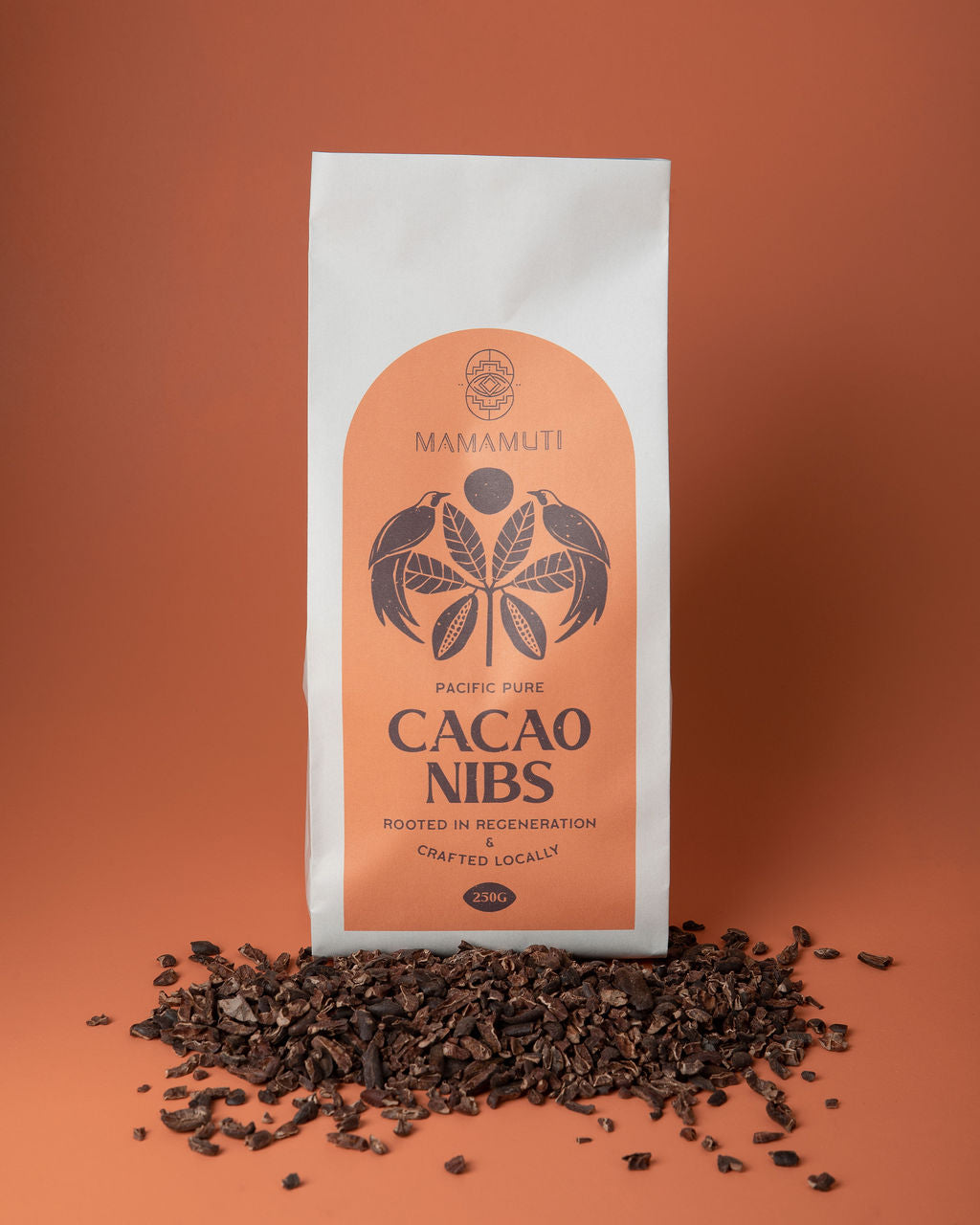
Go and make yourself a cup of tea. Or, if you’re anything like me, a beautiful mug of cacao.
Get comfortable. Because what I’m about to share isn’t simply another article about perimenopause.
It’s the most personal thing I’ve ever written.
It’s the story of my own womb.
A story of pain.
Of loss.
Of pleasure.
Of coming home to myself.
And ultimately, it’s the story of how one simple question changed the way I relate to my body forever.

Perimenopause isn’t a disease. So why do we speak about it like one?
I grew up in a home where conversations about the body sounded very different from the ones my peers had. My mum was a homeopath, sclerologist, iridologist, writer and teacher. She spent her life helping people understand the extraordinary intelligence of the human body, and I had the privilege of growing up listening.
One sentence in particular has stayed with me my entire life.
“Perimenopause isn’t a disease.”
She said it often. As I’ve grown older, I’ve realised just how radical that idea really is.
Today, it’s almost impossible to open social media without being reminded of everything that might go wrong during perimenopause. Algorithms serve us reels about hormone imbalance, brain fog, belly fat, low libido and hot flushes. There are supplements to buy, blood tests to order, experts to follow and protocols to master.
Some of these conversations are incredibly helpful. For generations, women were dismissed, misunderstood or simply told to get on with it. I’m genuinely grateful that women are finally being heard and that we have more choices than ever before. But somewhere along the way, I think we’ve started telling a story that quietly suggests a woman’s body becomes a problem to manage the moment her hormones begin to change.
I don’t believe that’s the whole story.
Women have been moving through this transition since the beginning of humanity. Perimenopause isn’t a manufacturing fault. It isn’t nature forgetting what she’s doing. It is one of the oldest transitions in human history.
"What if we stopped asking, “How do I survive this?”
And started asking:
“What might my body be inviting me to become?”

I grew up with a different story
As a teenager, while many of my friends were reading fashion magazines, I was curled up reading Dr Christiane Northrup, completely captivated by the female body. I realise now that I grew up in a world that wasn’t particularly mainstream. And I’m deeply grateful for that.
I was taught to recognise interconnectedness.
To pay attention.
To ask questions.
To listen before trying to intervene.
That curiosity shaped my life.
It led me to qualify as a homeopath and later as a nutrition coach. It sparked a lifelong fascination with medicinal plants, whole foods, physiology and the extraordinary ways our bodies adapt, communicate and protect us. Looking back, curiosity has been the thread running through almost everything I’ve ever done.
It eventually led me to cacao.
Not simply because cacao is nutritionally fascinating, but because it sits at this beautiful intersection of food, pleasure, neuroscience, anthropology, agriculture, flavour and human connection. It speaks to the practitioner in me. The foodie in me. And, if I’m completely honest…The complete nerd in me.
I’ve spent decades studying cacao. Not because I think it’s a miracle food, but because I genuinely believe it is one of the most exquisite and extraordinarily complex foods on the planet. The more I learn, the more I realise cacao is teaching me something much bigger than nutrition.
Cacao is teaching me about relationship.
Relationship with food.
Relationship with the earth.
Relationship with pleasure.
And perhaps most importantly…
Relationship with myself.

Somewhere along the way, we stopped trusting nature’s wisdom
One of the things I’ve found hardest about the conversation around perimenopause isn’t the symptoms. It’s the fear. Ageing has become something we’re encouraged to resist. Wrinkles need correcting. Grey hair needs hiding. Libido needs rescuing. Hormones need osptimising. Bodies need fixing.
An entire industry has quietly grown around convincing women that they’re somehow falling apart.
I understand why. Fear sells. Hope is harder to market.
Please don’t misunderstand me.
This isn’t an article against medicine.
It isn’t an article against hormone replacement therapy.
Nor is it an argument against blood tests, supplements or seeking help.
Many women experience profound relief through those pathways, and I’m genuinely grateful they exist. What I question is the assumption that every woman should begin from the belief that her body is failing her. Because what if, before we reached for another protocol, we became curious?
Not instead of medicine.
Not instead of science.
But alongside them.
What if curiosity came before certainty? What if listening came before correcting? Perhaps declining oestrogen isn’t only about what we’re losing. Perhaps this season is also making room for something many of us have spent decades neglecting. Ourselves.
So many women describe remarkably similar experiences during this transition. They become less willing to tolerate relationships that diminish them. Less interested in people-pleasing. More protective of their time. More honest. More direct. More discerning.
What if this season isn’t trying to make us smaller… But truer?
When I look around at the women I admire most, I don’t see decline. I see women becoming increasingly themselves. Less apologetic. Less performative. Less willing to abandon themselves to keep everyone else comfortable.
Perhaps our bodies aren’t betraying us. Perhaps they’re finally asking us to stop betraying ourselves.

Then my own body asked me to listen
For all the books I’d read and all the years I’d spent as a practitioner, my own body became my greatest teacher. I think that’s true for many of us.
There comes a point where another qualification, another protocol or another expert can only take us so far. Eventually, life asks us to enter into relationship with our own body.
Not to know all the answers. But to become willing to ask better questions. I didn’t know it then, but my greatest lessons weren’t waiting inside another textbook.
They were waiting inside my own womb.
In 2015, at 37, I unexpectedly fell pregnant. It wasn’t planned. I had an IUD fitted, so when my period was late, I did what many women would do. I bought a pregnancy test. It came back positive. A few years earlier, my younger sister had almost lost her life to an ectopic pregnancy. I knew how serious they could be, so I booked an appointment with my gynaecologist immediately.
He performed an ultrasound.
The scan revealed a mass on the right-hand side of my pelvic area, and his immediate concern was that the pregnancy might be ectopic.
Everything happened very quickly after that. I was admitted for surgery. I remember waking up afterwards in my hospital room, surrounded by my family, waiting to hear what they had found. The gynaecologist walked in and explained that the pregnancy hadn’t been ectopic after all. The embryo was in my uterus. The mass they had seen on the scan wasn’t the pregnancy. It was, in fact, a cluster of unusually aggressive uterine fibroids.
Because the pregnancy wasn’t viable, we proceeded with a dilation and curettage, and my IUD was removed.
It was a lot to take in.
Only weeks earlier, I’d had no idea I was pregnant.
Now I was trying to process an unexpected pregnancy, surgery and the discovery that my womb was carrying multiple fibroids I’d never known existed. As I was trying to make sense of everything that was unfolding, the relationship I was in ended abruptly. I wasn’t expecting it, and the shock of losing my greatest source of support at the very moment I felt most vulnerable broke something open in me.
A few weeks later, I underwent a myomectomy to remove the fibroids. At that stage in my life I still thought I might have children one day. Although I understood there was a good chance the fibroids could return, preserving my uterus felt like the right decision.
So that’s what we did.
Looking back now, I realise I thought the fibroids were the story.
They weren’t.
They were the beginning of one.

Looking for answers
Like many practitioners, my first instinct was curiosity. Why had this happened? What was my body trying to tell me? I immersed myself in research. I revisited nutrition. I explored herbal medicine. I leaned further into homeopathy. I read everything I could find.
I travelled to Peru twice to sit with plant medicines. Not because I believed they would magically fix me, but because something deep inside me felt unresolved.
Looking back, I realise I wasn’t only searching for information. I was searching for meaning.. My curiosity wasn’t only intellectual. It was deeply personal.
When I was 29 years old, my mother died from uterine cancer. Her diagnosis came only three months after my sister died by suicide.
That year was rough.
Whether those events were medically connected is impossible to know...But emotionally, they became inseparable in my heart.
After Mum died, I found myself thinking more and more about the women who had come before me.
Their grief.
Their resilience.
Their losses.
The stories they never had the chance to tell.
I began wondering whether we carry more than genes through the generations. Not as a scientific conclusion. But as a deeply personal question. Was my body asking me to pay attention to something that had been moving quietly through the women in my family for decades?
I still don’t know.
Perhaps I never will.

Sometimes healing doesn’t look the way we imagined
For a while, life settled. I believed I’d moved through the worst of it. But bodies have their own timelines. Gradually, the pain returned. My periods became heavier. Longer. More exhausting. My lower back constantly ached. I retained fluid. Sex became painful. Pleasure slowly disappeared from my body.
Every month, it felt as though my life was shrinking.
Even the work I loved became harder.
I’d spend weekends serving cacao, connecting with beautiful people and doing what lit me up, only to need days afterwards to recover.
I kept adapting.
Kept working.
Kept listening.
Until one evening, my body made the decision for me. An ovarian cyst ruptured. Further investigations followed. The fibroids had returned. And, I was diagnosed with Stage IV endometriosis. I also had ovarian endometriomas, often called chocolate cysts because they’re filled with old blood that becomes thick and dark over time. My tumour markers were elevated.
Suddenly, the future I’d imagined for my body looked very different.

Letting go
There are moments in life when there isn’t a perfect decision. Only the decision that feels most loving. After many conversations, tears and long walks, I chose to have a hysterectomy while keeping my ovaries. It was one of the biggest medical decisions I’ve ever made. It was also one of the most liberating.
One of the greatest gifts of having my hysterectomy in New Zealand was that I was allowed to bring my womb home with me.
So I did.
For an entire year, she lived quietly in my freezer. People sometimes cringe when I tell them that.
But I don’t.
That’s exactly how long it took me to be ready. I wasn’t ready to let her go the day I left hospital. I wasn’t ready a month later either.
Grief doesn’t follow a timeline, and neither did I.
Then, on a winter solstice evening, I gathered with three dear friends around a fire.
We honoured my womb. We thanked her for everything she had carried, endured and taught me. We honoured the end of a chapter, and we made space for the beginning of another. When I finally placed her into the flames, it didn’t feel like I was losing something. It felt like I was completing something.
That ritual didn’t erase my grief.
But it transformed it.
It reminded me that endings deserve to be witnessed just as much as beginnings.
People often ask whether I grieved losing my womb.
The honest answer is…
Yes.
And no.
I grieved the future I thought I’d have. I grieved what might have been. But I also experienced something I hadn’t expected.
Relief.
Profound relief.
The pain I’d been carrying for years began to disappear.
My body became quieter. For the first time in a very long time, I could hear myself again. I hadn’t realised just how much of my life had become organised around pain. Pain has a funny way of doing that. It rarely arrives all at once. It creeps in quietly. You adjust. You compensate. You begin planning around it. You slowly forget what life felt like before it arrived.
My body wasn’t something I simply lived in anymore.
It was something I was constantly managing.
Negotiating with.
Recovering from.
Thinking about.
Then, almost overnight, the volume turned down. Not because life suddenly became perfect.
It didn’t. But the relentless conversation I’d been having with pain finally softened. And in that quiet, I found space.
Space to breathe.
To laugh.
To move.
To enjoy my own life again.
I’d assumed removing my womb would end my relationship with her. Instead, that relationship became less physical and more symbolic. More intuitive. Gentler. My womb was no longer inside me, but everything she had taught me remained.

Pleasure became my portal back to myself
Then, very quietly, pleasure returned.
Not in one dramatic moment.
Not as some grand awakening.
It happened in small, ordinary ways.
These days, I find myself asking a much simpler question when I make decisions: Does this feel like love? Not just in my relationships, but in the way I eat.
The way I move.
The way I work.
The way I rest.
The way I speak to myself.
The way I make love.
Somewhere along the way, pleasure stopped feeling frivolous and started feeling like one of the wisest guides I have.
I’m a full-blown sensualist. I live through my senses. A happy Irma is one who is constantly playing with them.
The smell of incense drifting through the house.
Music filling the kitchen while I cook.
The richness of cacao melting across my tongue.
Salt water on my skin.
Beautiful linen.
Fresh sourdough.
Long hugs.
Deep conversations.
A really good cheese.
The sound of birds outside my window.
These moments aren’t luxuries to me anymore. They’re how I come home to myself. Because when I’m deeply engaged with my senses, I’m deeply engaged with life.
Pleasure has become my portal to aliveness.
Not because life is always pleasurable, but because pleasure reminds me that I belong inside my own body. It asks me to slow down long enough to inhabit this moment instead of rushing past it.
And yes, that includes sex.
One of the greatest gifts of this chapter has been reclaiming myself as a lover.
Not becoming more performative.
The opposite.
More honest.
More present.
More playful.
I’ve started speaking up about what I want.
I’ve become less interested in pleasing someone else at the expense of abandoning myself.
There have been seasons of my life when I had sex because I felt obliged to, because saying yes seemed easier than listening to my own body. I know I’m not alone in that.
Today, my relationship with intimacy feels entirely different.
I’m currently sharing my life with a delicious lover.
We don’t live together. We don’t try to squeeze our relationship into anyone else’s blueprint. We simply protect what we’ve created. We come together to enjoy one another. To laugh. To play. To make love. And then we return to our own lives.
It has become one of the most honest relationships, precisely because it has invited me to stop performing and start paying attention.
To my body.
To my truth.
To my pleasure.
I’m still unpacking years of shame. I don’t think that work ever completely finishes.
But I no longer believe my body exists to be managed, improved or made more acceptable.
I think it is constantly inviting me into a deeper relationship with myself.
Perimenopause hasn’t simply asked me to survive.
It has asked me to become more alive.
Perhaps that’s the real invitation.
To become the woman you’ve been waiting your whole life to meet.

What actually helped me?
Did I change my diet? Did I take herbs? Did I use homeopathy? Did cacao help? The honest answer is yes...But probably not in the way people expect.
Food became another way of loving myself
I’ve eaten predominantly whole, seasonal food for most of my life. That part of my story didn’t change.
What changed was the way I approached it. Living on my own, I realised that every meal was an opportunity to care for myself. Not because I was trying to eat “perfectly.” But because I was practising love.
Some nights it’s nothing more elaborate than an omelette.
Other nights it’s a beautiful piece of fish with roasted vegetables, fresh herbs, really good olive oil and a generous scattering of flaky sea salt.
The meal itself almost doesn’t matter.
What matters is how I arrive.
I light incense.
I put music on.
I taste as I cook.
I plate my food beautifully, even if no one else will ever see it.
As a foodie, I’ve come to believe that preparing a meal can be one of the most ordinary and sacred acts of self-care. Not because my body demands perfection. But because it responds beautifully to being loved.
These days, I’m far less interested in whether a meal is “healthy” enough. I’m much more interested in whether it leaves me feeling nourished.
Satisfied.
Delighted.
Alive.

Homeopathy taught me to see the whole person
Long before Mamamuti, I was a practising homeopath. One of the greatest gifts homeopathy gave me wasn’t simply the remedies themselves.
It was the philosophy. It taught me to become curious.
To listen.
To understand that two women with exactly the same diagnosis may need completely different support because they are having completely different experiences.
That’s something I still carry with me today. Over the years, I worked with several constitutional remedies as my own story unfolded.
They weren’t interchangeable. They weren’t “perimenopause remedies.” They were chosen because they matched me at a particular point in my life, physically, emotionally and mentally.
That’s one of the things I continue to value about homeopathy.
It isn’t simply asking, “What is the diagnosis?”
It is asking, “Who is the person having this experience?”
If homeopathy is something you’re curious about, I would encourage you to work with an experienced constitutional homeopath rather than trying to select a remedy from a list online.
A good homeopath isn’t only asking what your symptoms are. They are asking who you are, and how your body is expressing what you are living through.
I still find that a profoundly respectful way of looking at health.
Herbs have their place
Over the years, I’ve worked with herbs too. Plants such as sage, shatavari, red clover, black cohosh and rhodiola are often explored by women looking for support during perimenopause. Some women find them incredibly helpful. Others notice very little.
The right herb depends on the person, their health history, any medications they are taking and what they are hoping to support. It is another reason I’m cautious about blanket recommendations.
Plants deserve more respect than that.

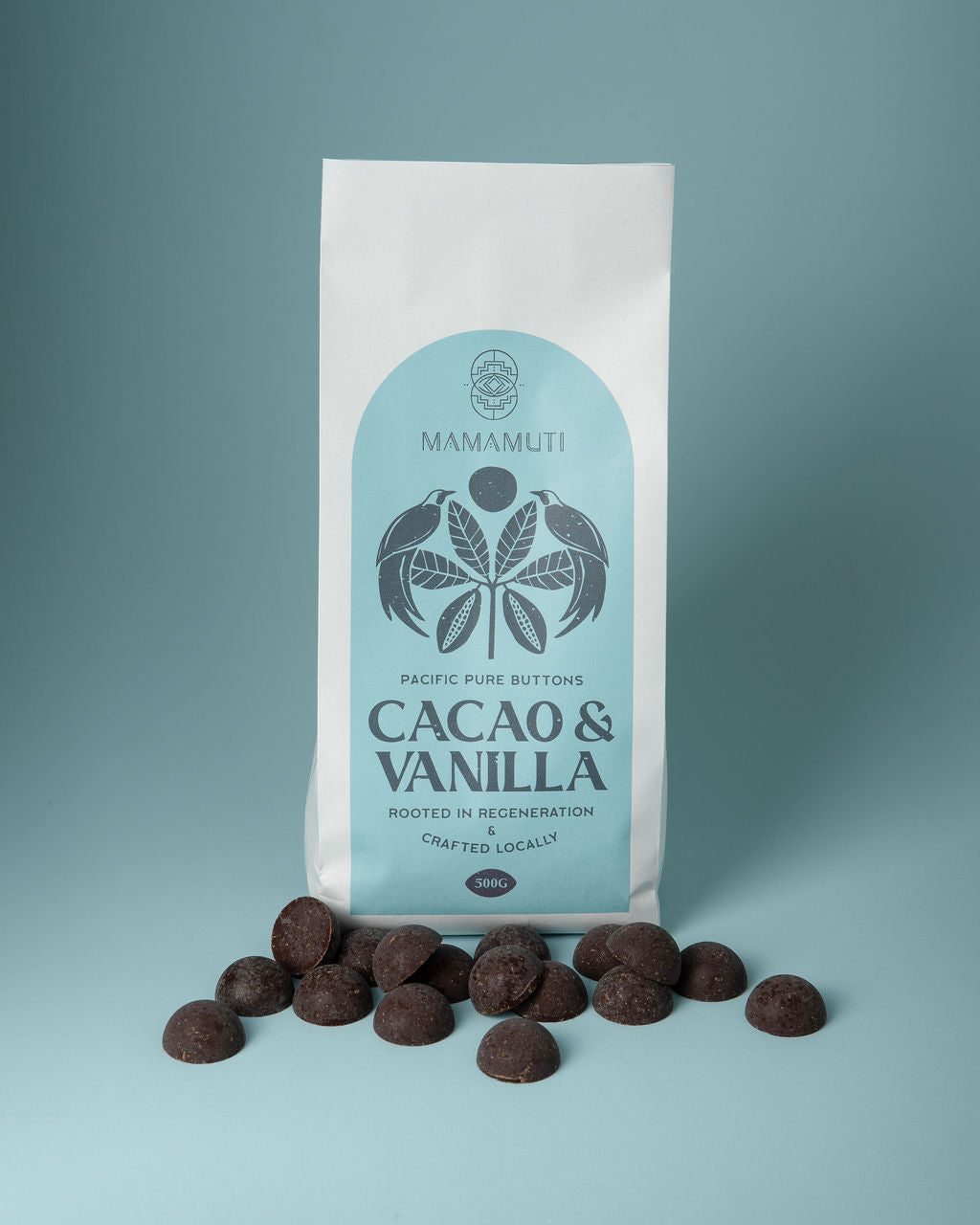
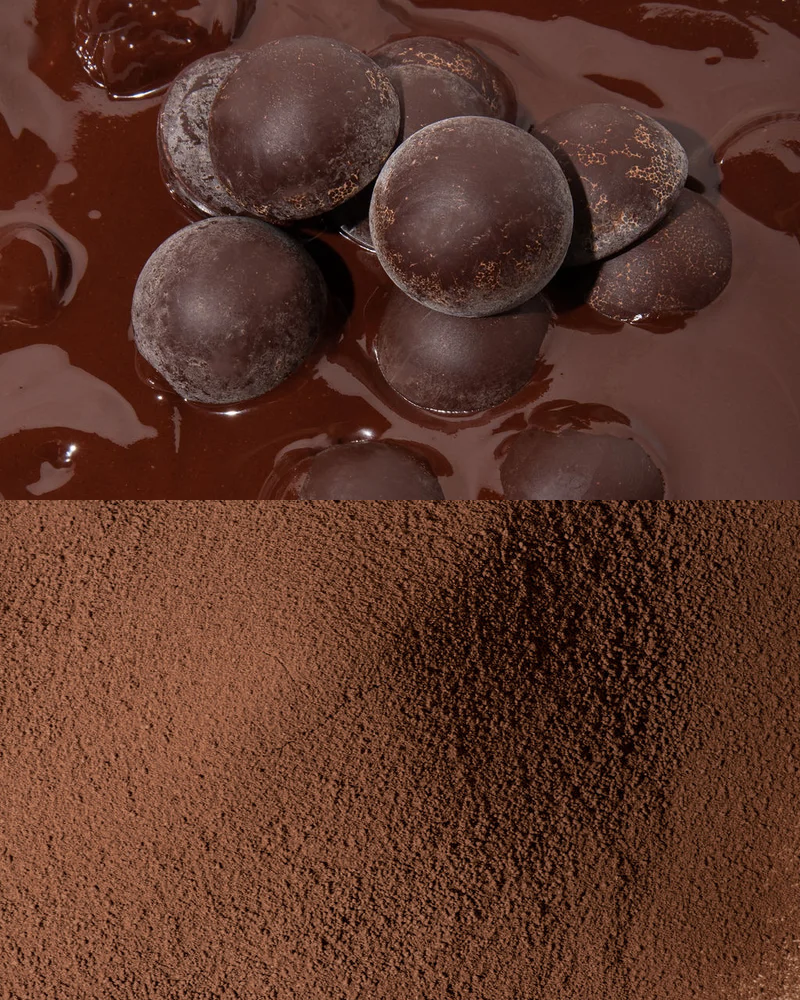
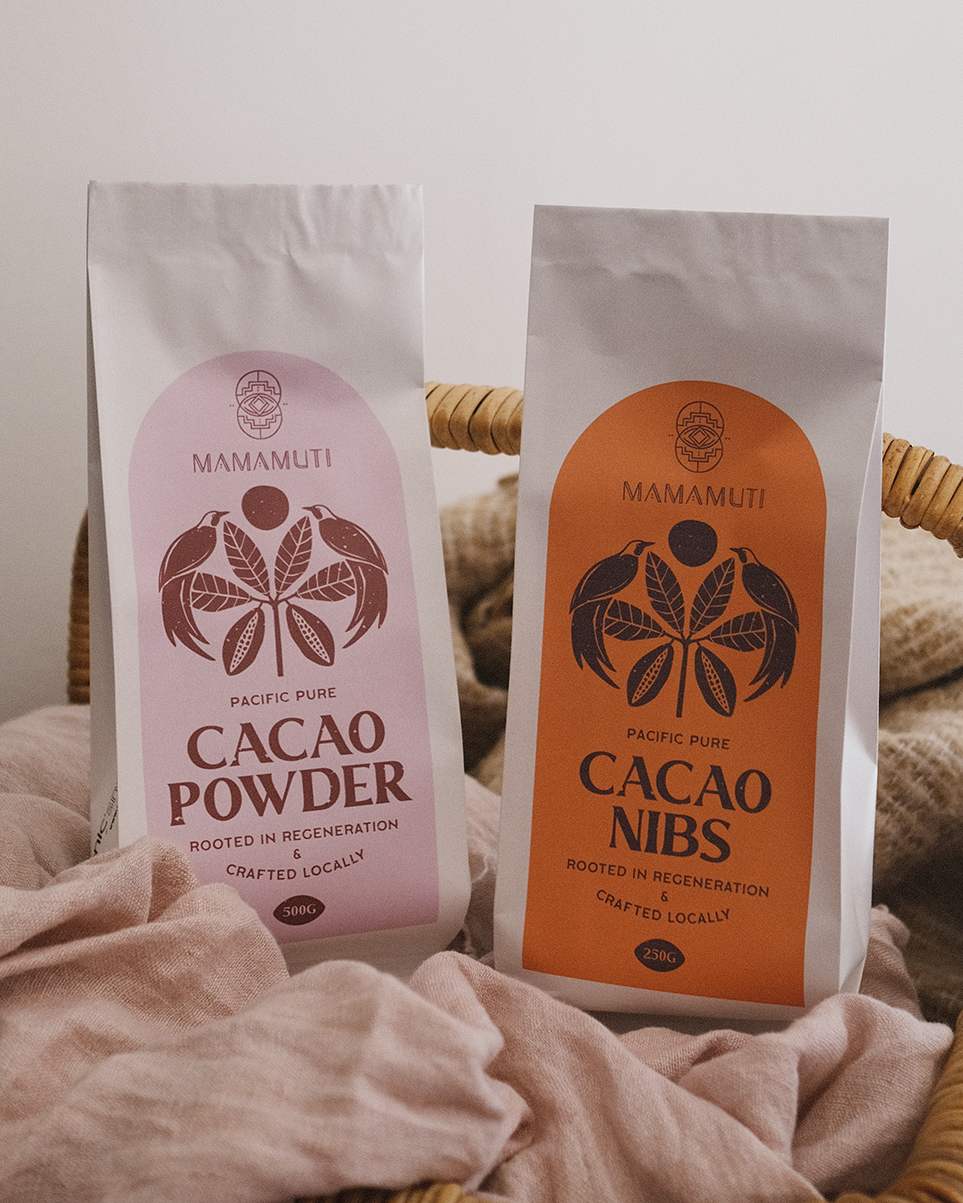
Then there was cacao
People often assume I’m going to tell you cacao changed my hormones. I’m not.
That isn’t my story. Cacao didn’t arrive in my life as a medicine to fix me. It arrived as a companion. A reminder that nourishment can also be deeply pleasurable.
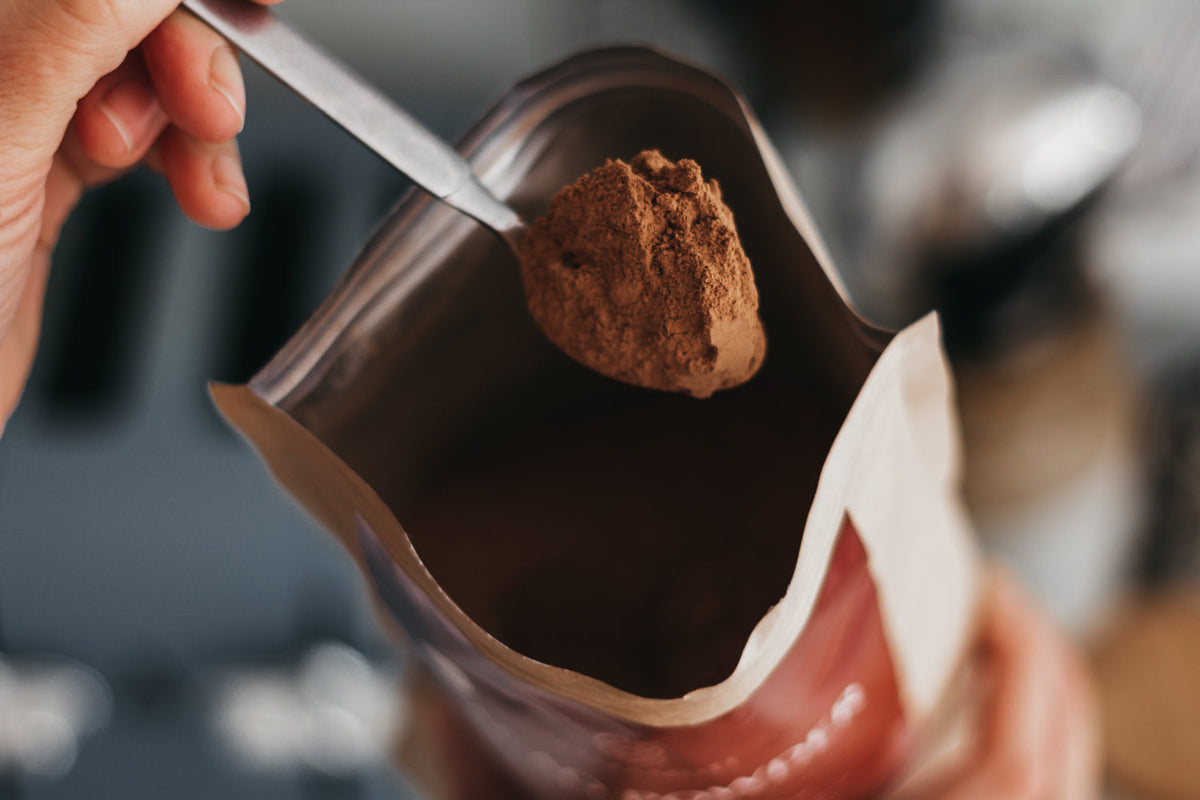
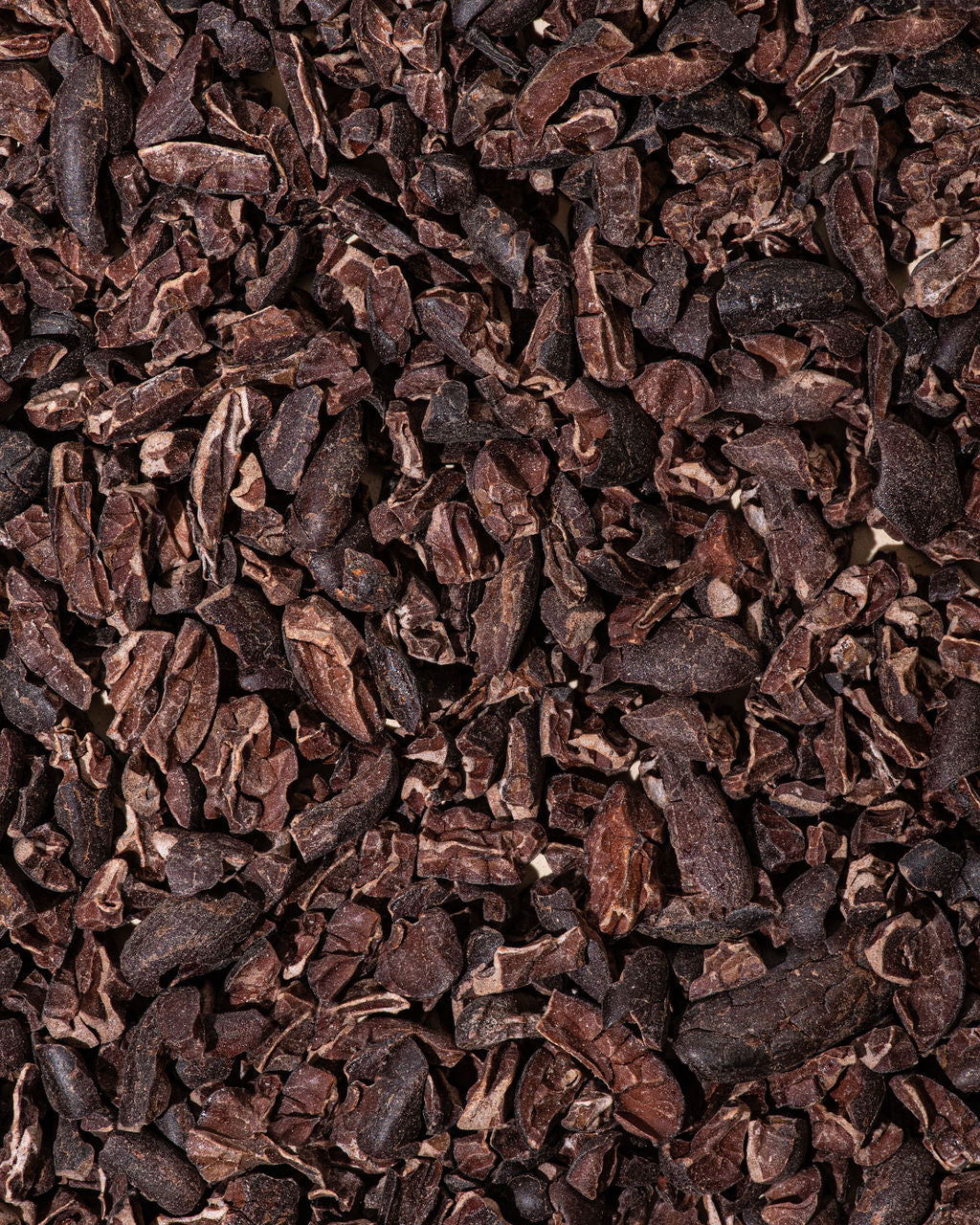
Of course, cacao contains magnesium, iron, copper, healthy fats, polyphenols, fibre, theobromine and hundreds of other complex compounds, all of which make it an incredibly interesting food.
But I think its greatest gift is something much harder to measure.
It invites presence.
Some of the most meaningful conversations I’ve ever had have happened over a warm mug of cacao. Some of the deepest exhalations of my life have happened with both hands wrapped around a cup.
Sometimes the ritual is just as nourishing as what’s inside it.

The most powerful remedy wasn’t in a bottle
Looking back, the thing that changed my life most wasn’t a supplement. It was learning to trust myself again. To listen when I was tired. To say no without apologising. To seek relationships that felt safe. To spend time in nature. To dance. To cook beautiful food. To laugh more.To stop treating pleasure as something I had to earn.
Perimenopause isn’t teaching me how to fix my body.
It is teaching me how to have a relationship with it.
Those are two very different things.
For so much of my life, I believed health was about improving myself.
Reading another book.
Listening to another podcast.
Finding another expert.
Trying another protocol.
There is beauty in all of those things.
Curiosity has shaped my life. But there comes a point where no one else can tell you exactly what your body needs. Eventually, the conversation has to become your own.
That doesn’t mean we stop learning. It means we begin listening with equal enthusiasm. To our bodies. To our inner rhythms. To our intuition. To our pleasure. To the quiet moments that rarely make it onto social media.
So, if you’re still here because you’re looking for the best natural remedy for perimenopause, I completely understand.
I’ve been that woman.
But perhaps the real invitation isn’t to find the one thing that works for everyone.
Perhaps it is to become deeply curious about what helps you feel more nourished.
More grounded.
More honest.
More alive.
Your body has been communicating with you since the day you were born.
Maybe this season of life isn’t asking you to silence her. Maybe it is asking you to listen more closely than ever before.
And when you don’t know what to do next, perhaps you could begin with the question that has become my compass:
Does this feel like love?
With all my heart,
Irma


Leave a comment
This site is protected by hCaptcha and the hCaptcha Privacy Policy and Terms of Service apply.