
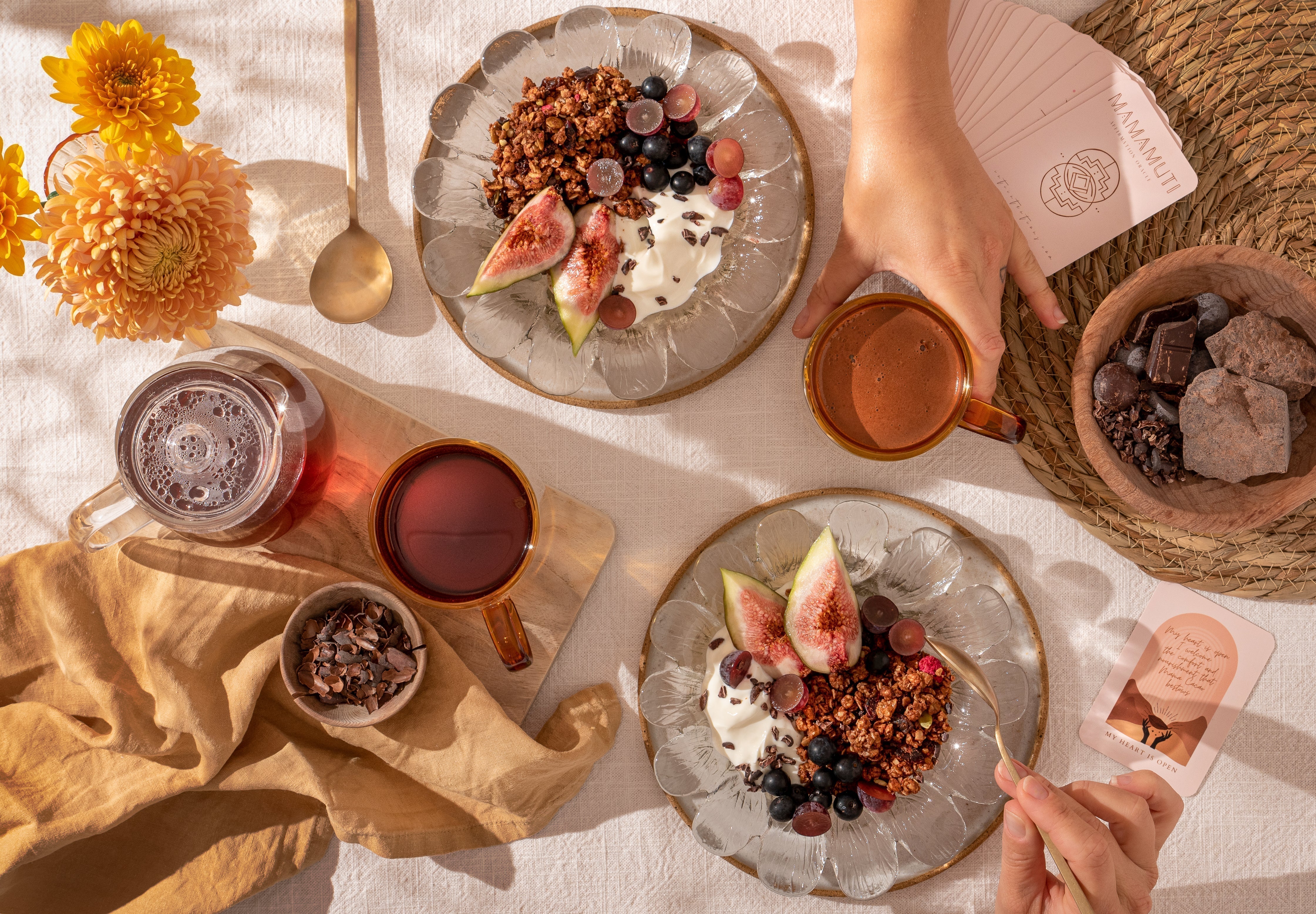
Cacao Paste, Cacao Powder and Cocoa Powder: What's the Difference?
If you have ever stood in front of a shelf wondering whether cacao and cocoa are the same thing, or whether the paste is worth it when the powder is cheaper, you are in good company. It is the question I get asked more than any other.
Let me get the biggest misconception out of the way first.
Cacao and cocoa begin life exactly the same way.
Not different trees. Not different species. Not a marketing trick to charge more for one of them.
The difference is not where they come from. The difference is what happens to the bean after it leaves the pod. That is what changes the flavour, the colour, the aroma and some of the nutrition.
So are cacao and cocoa the same thing? Yes. And no. Here is the whole story.
It all starts with one beautiful little bean

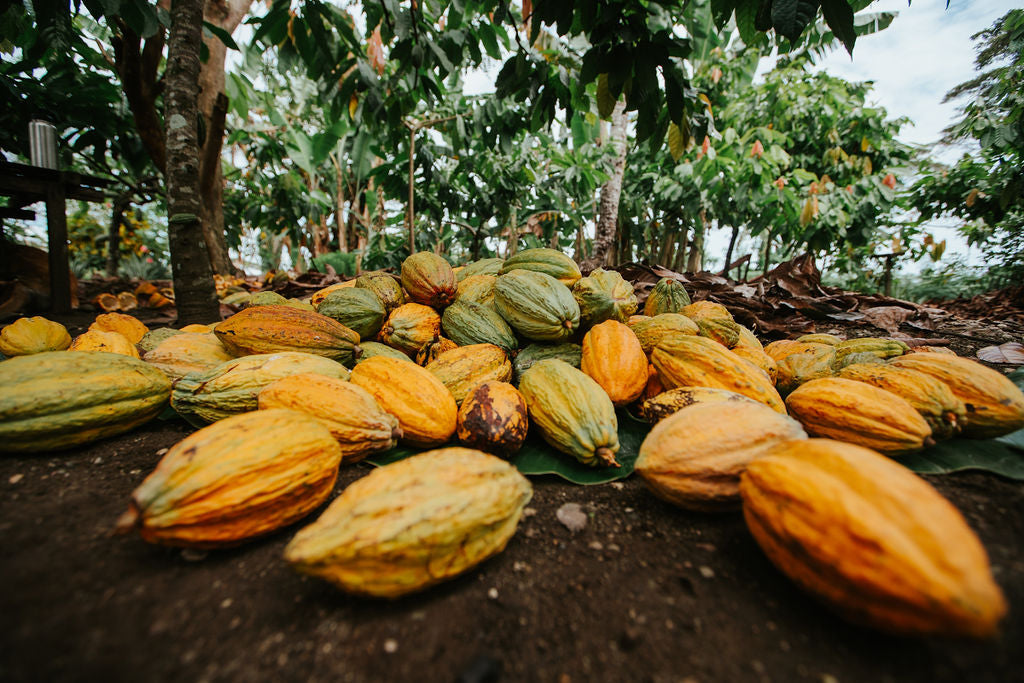
Every block of chocolate. Every mug of hot chocolate. Every brownie, every truffle, every spoonful of powder. It all begins inside the pod of Theobroma cacao.
Theobroma means "food of the gods", which, if you have ever tasted really good cacao, feels about right.
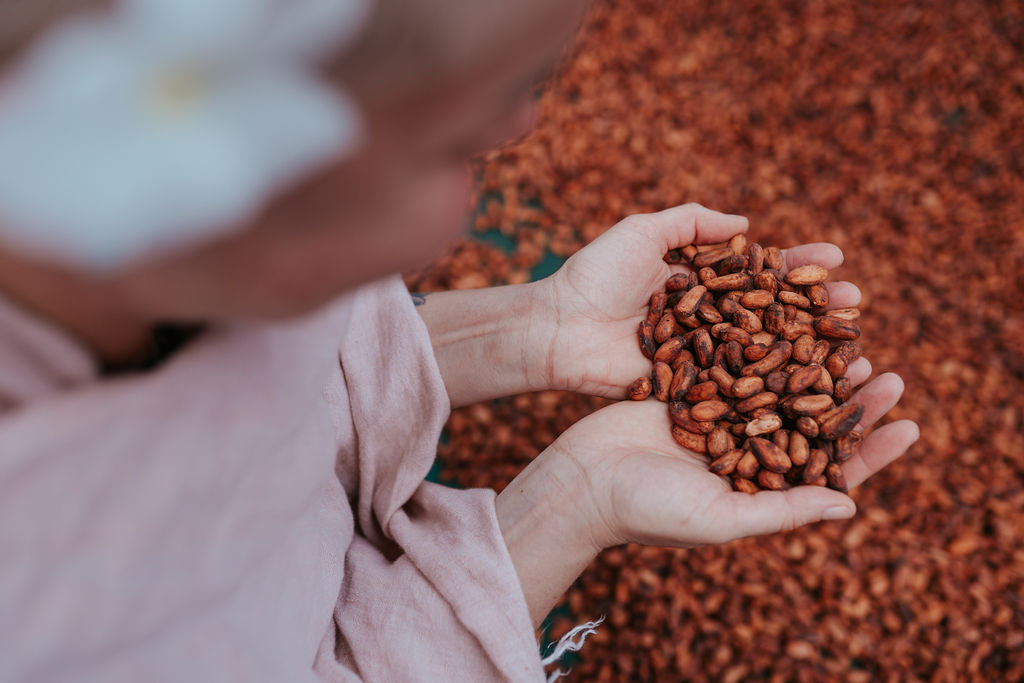
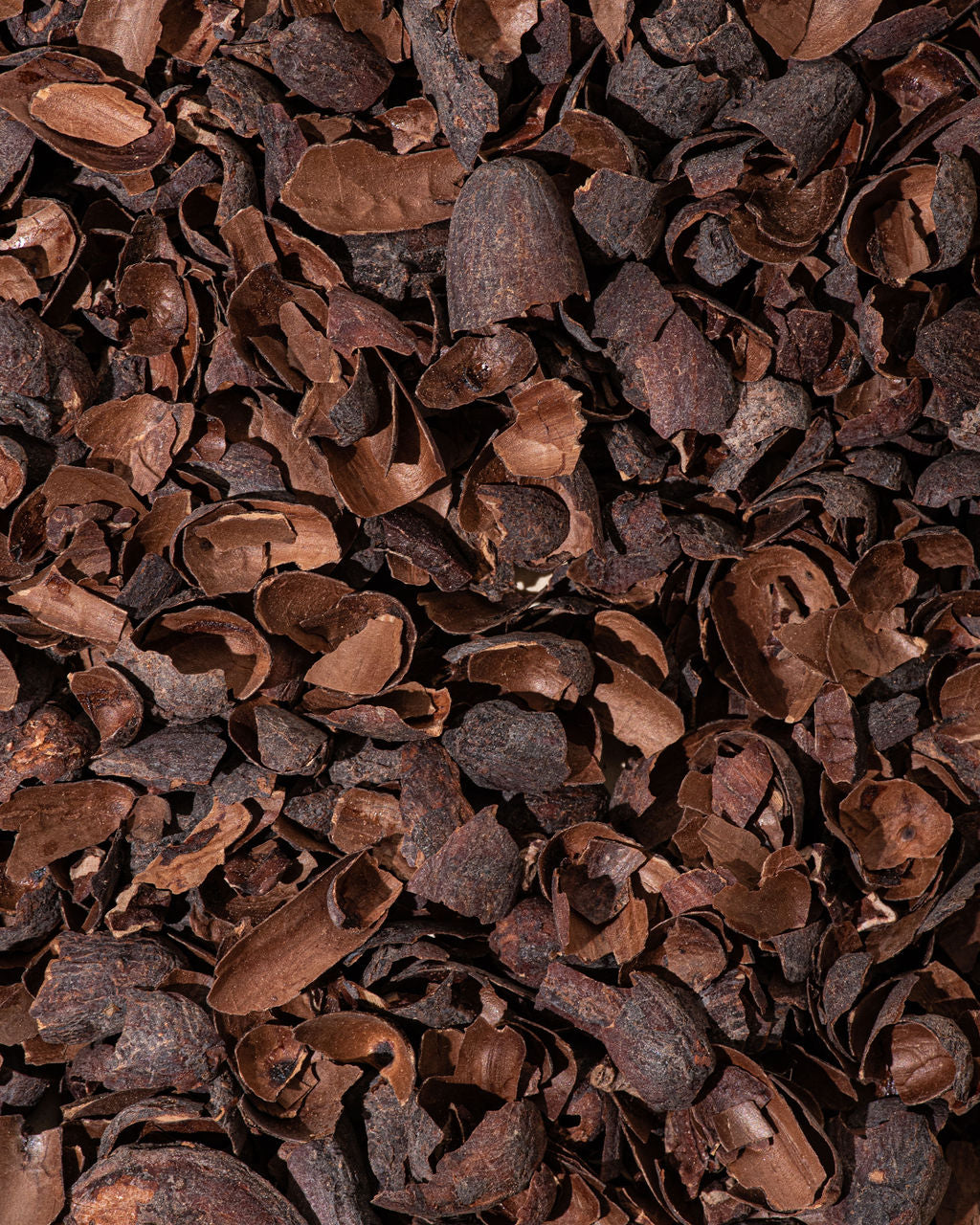
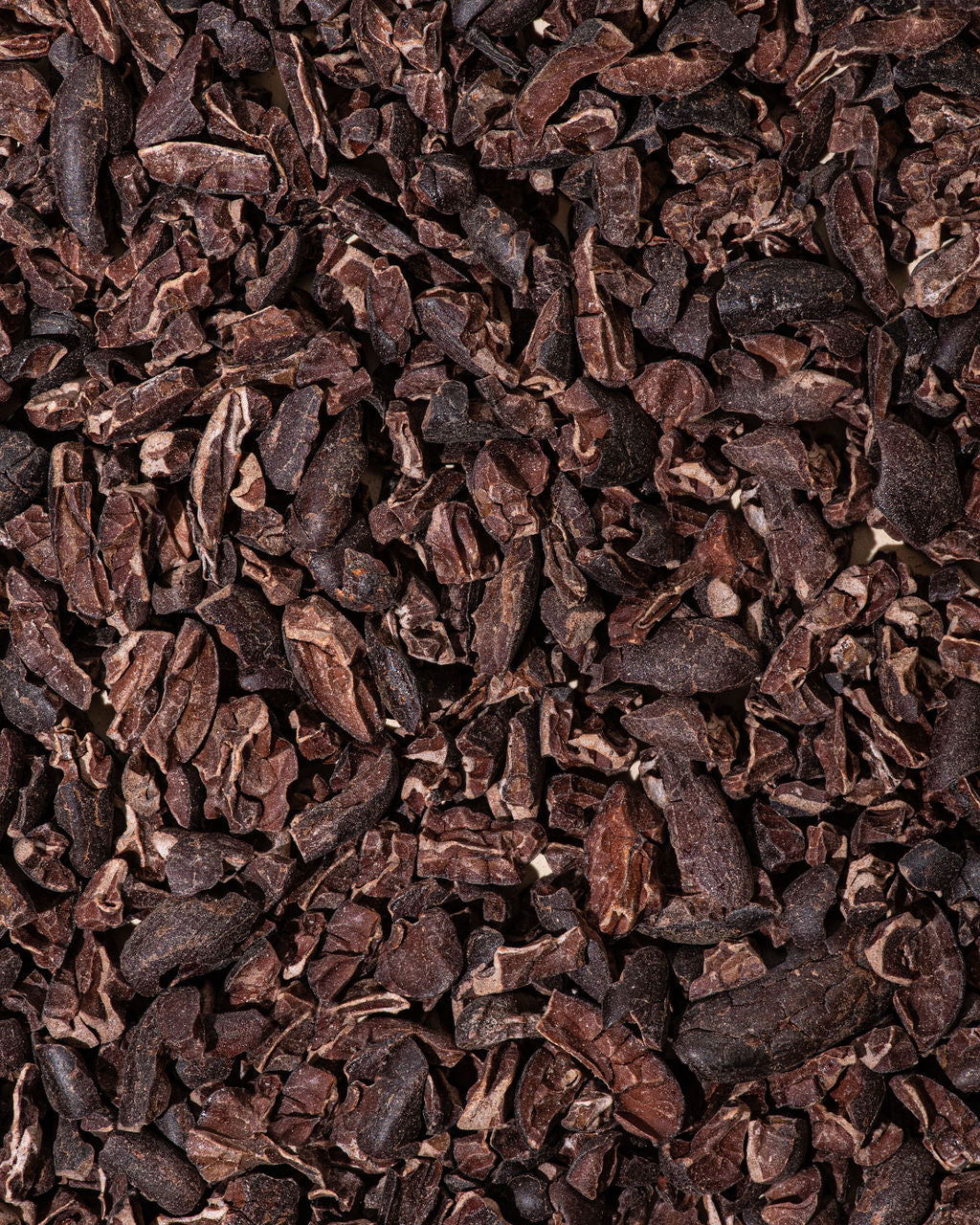
Once the pods are harvested, the seeds are fermented, dried and usually roasted, then cracked to remove the outer shell. What is left are cacao nibs.
From that point the journey forks. And that fork is the entire answer to this question.
A little bit of chocolate history
In 1828, a Dutch chocolatier named Casparus van Houten invented a hydraulic press that squeezed most of the natural cacao butter out of cacao liquor.
Despite the name, there is no alcohol involved. "Cacao liquor" is simply the chocolate industry's term for pure ground cacao. At Mamamuti we call it cacao paste.
Once the butter was pressed out, the dry cake left behind was milled into a fine powder. It changed chocolate forever. Suddenly it was cheaper to make, easier to stir into milk, and within reach of ordinary households.

Then manufacturers went a step further. They began treating the powder with an alkaline solution, usually a food-grade mineral salt called potassium carbonate. This raises the pH and makes the cocoa less acidic.
Why bother? Because it changes the bean in ways that suited mass production. It darkens the colour. It softens cacao's naturally bright, fruity notes. It gives that mellow, rounded chocolate flavour most of us grew up with. And it dissolves more easily.
This is Dutch processing, and it is still everywhere today.
There is nothing wrong with Dutch-processed cocoa. It is simply a different style of chocolate, built for consistency. We have chosen a different path, because I would rather celebrate a bean than redesign its personality.
One last piece of trivia: historians think "cocoa" is just the English mangling of the Spanish "cacao", picked up somewhere along the way. Same bean. Different spelling. Very different processing.
What is cacao paste?

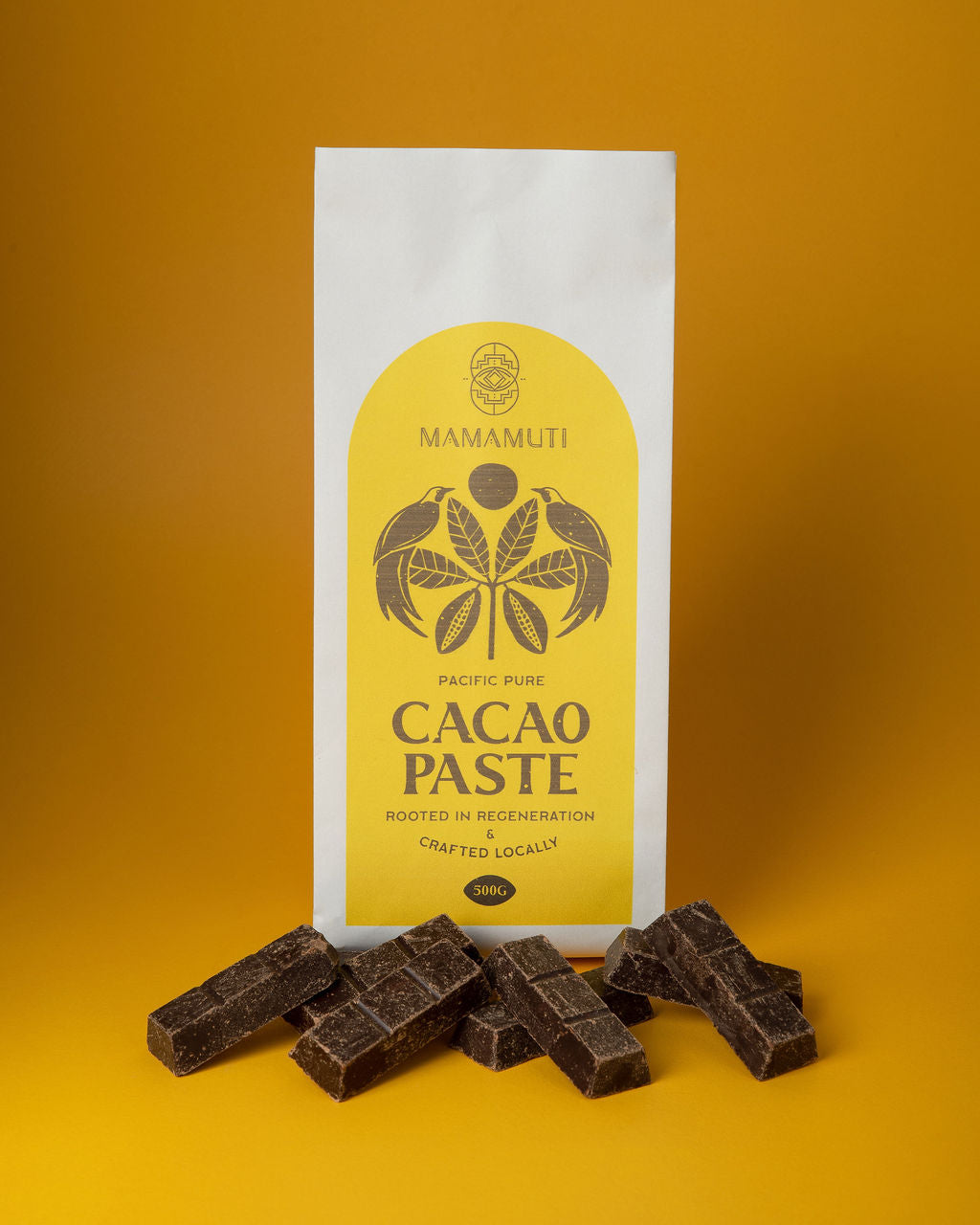
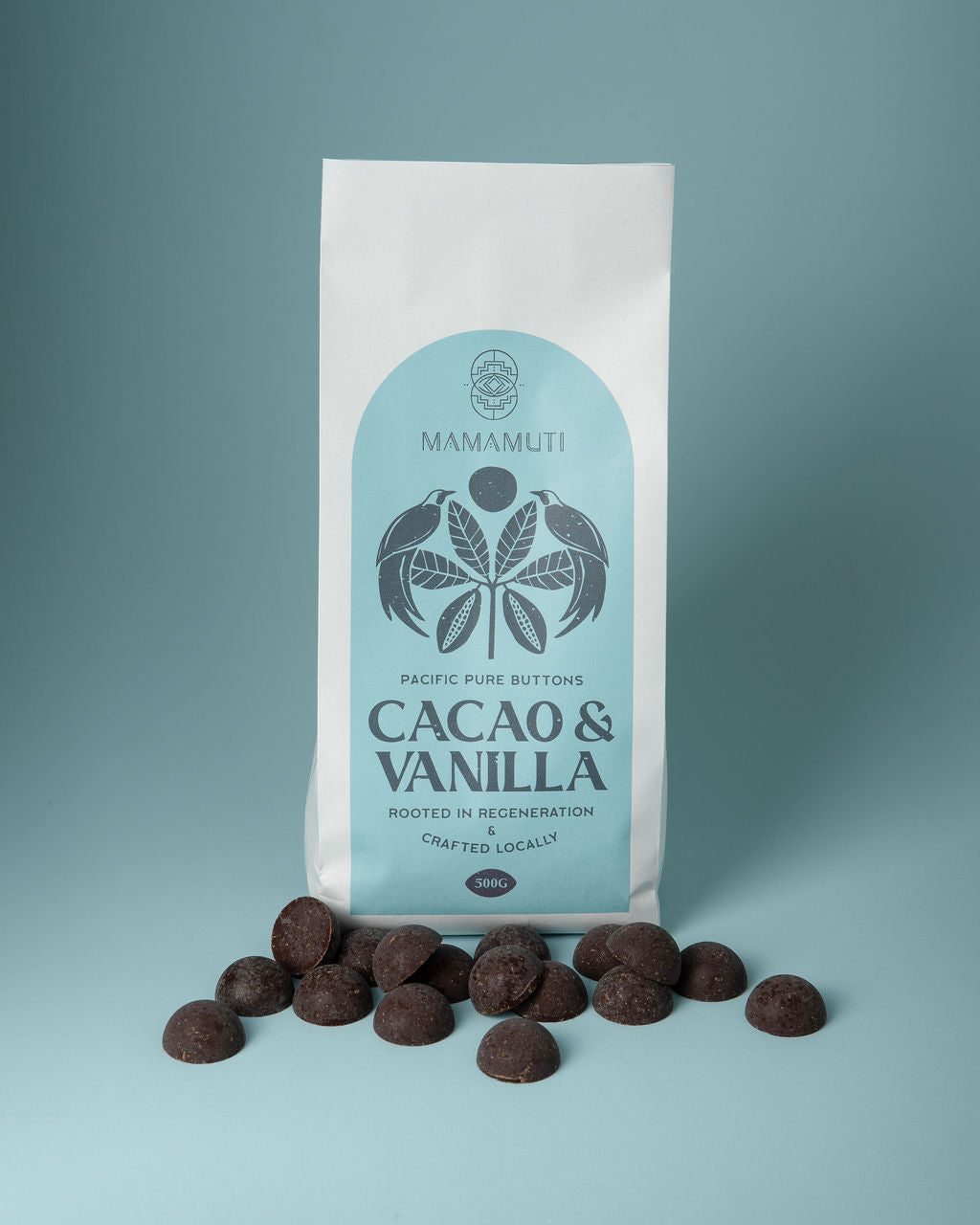
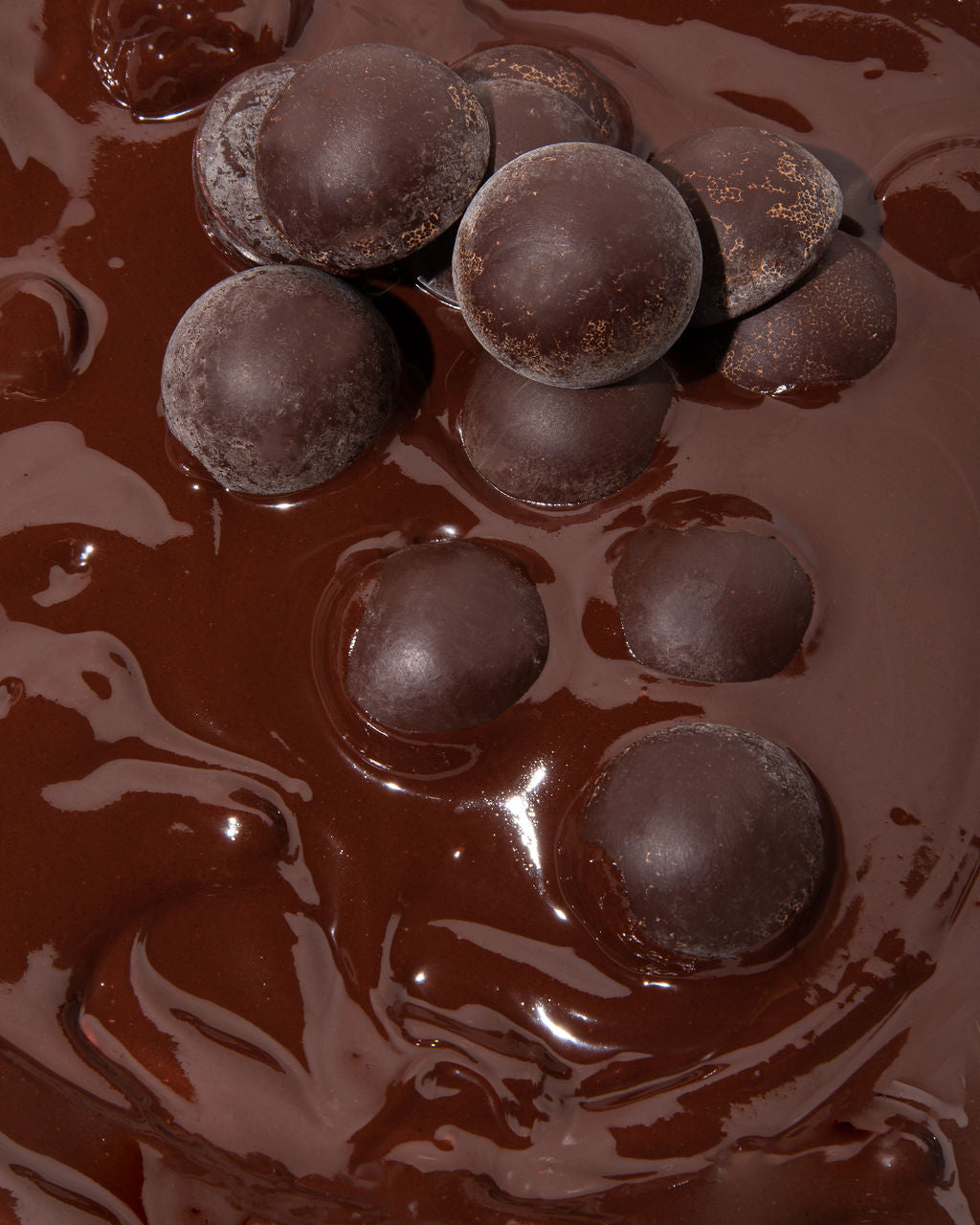
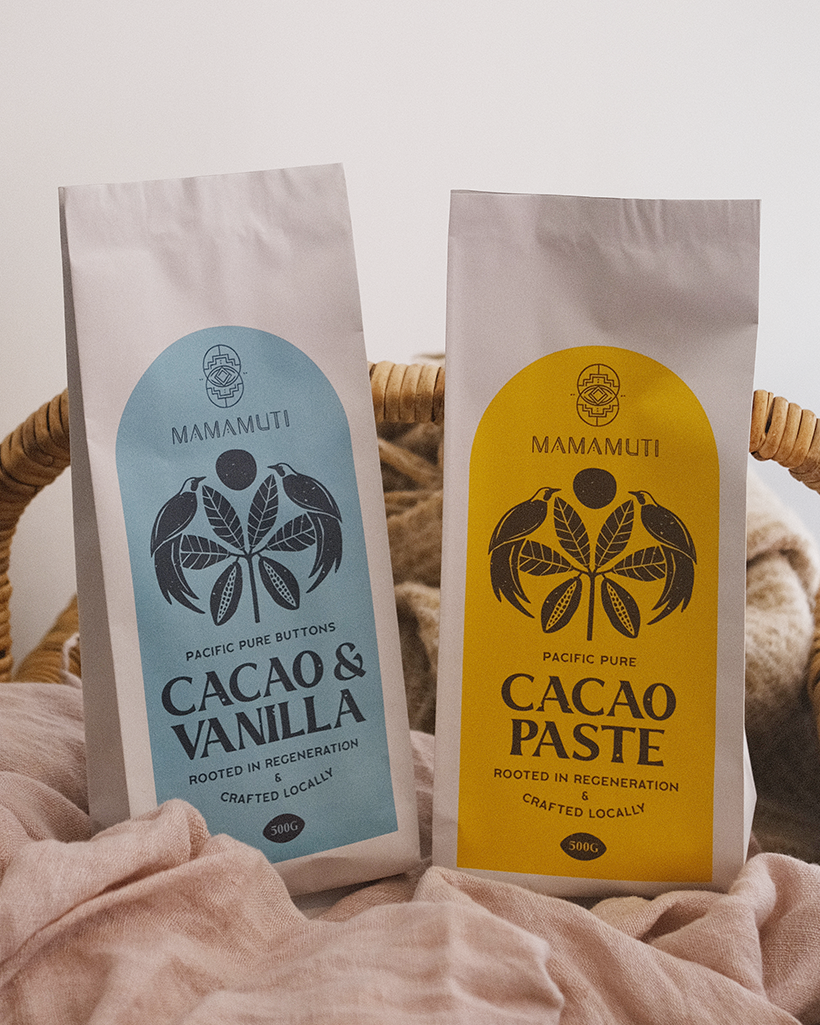
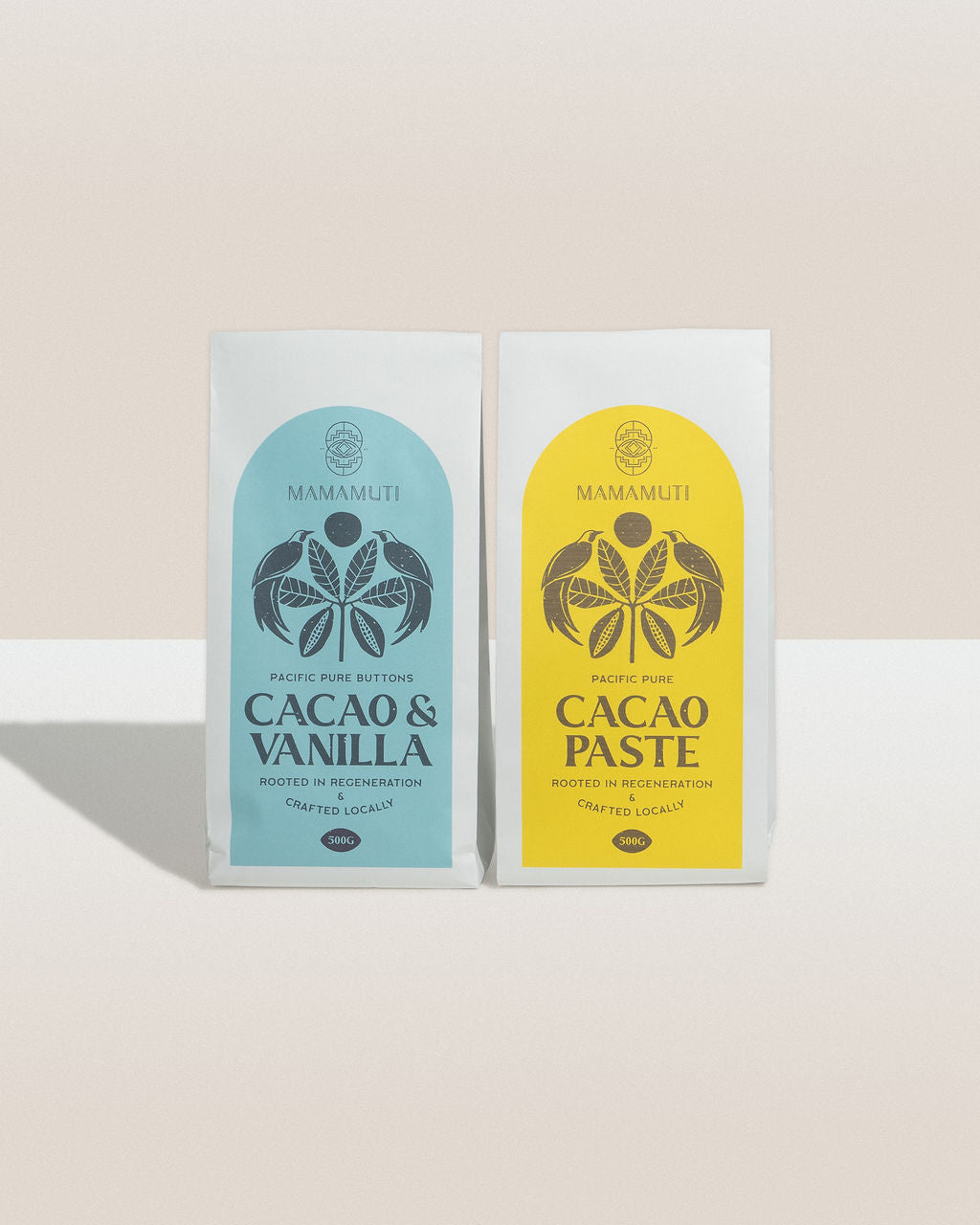
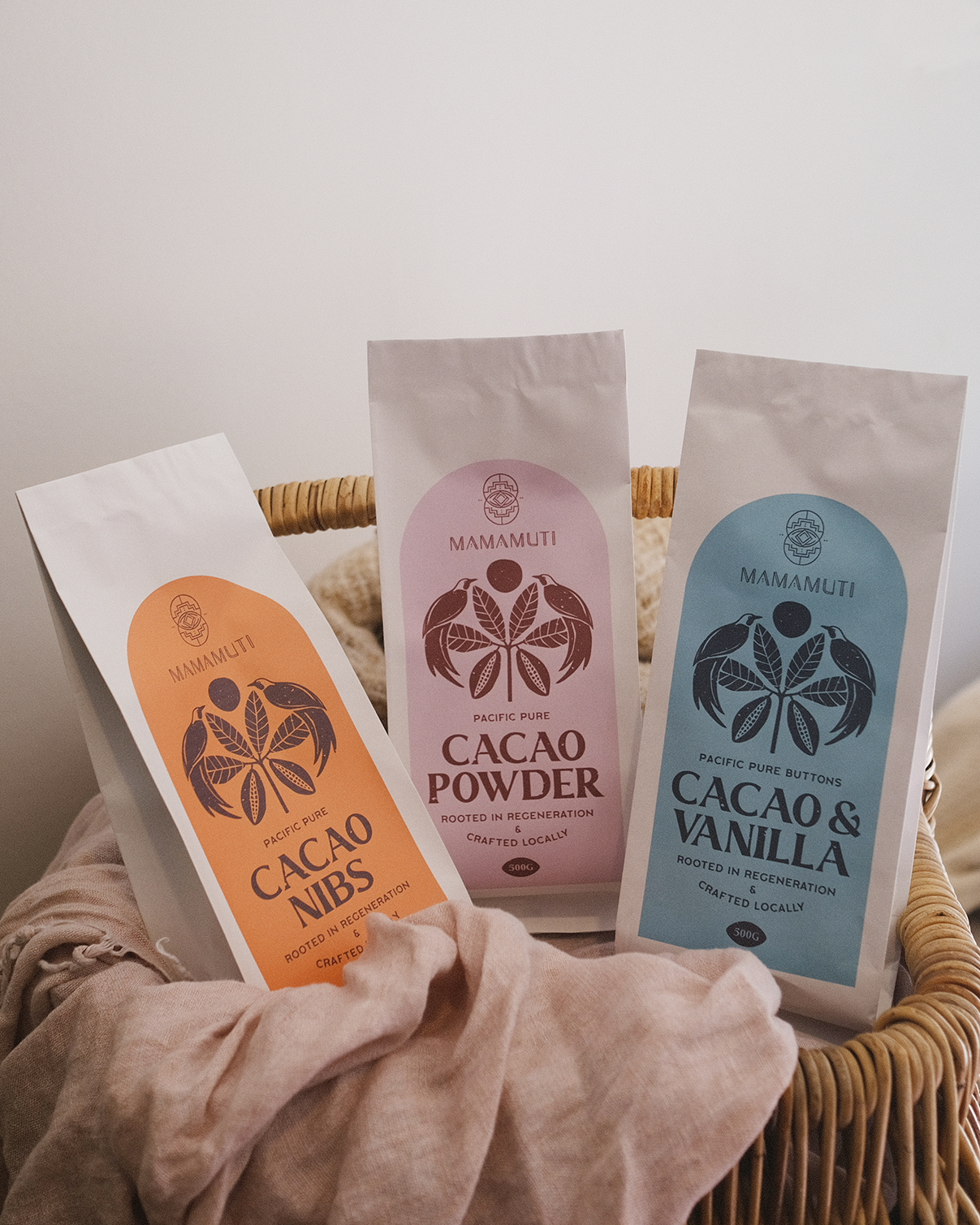
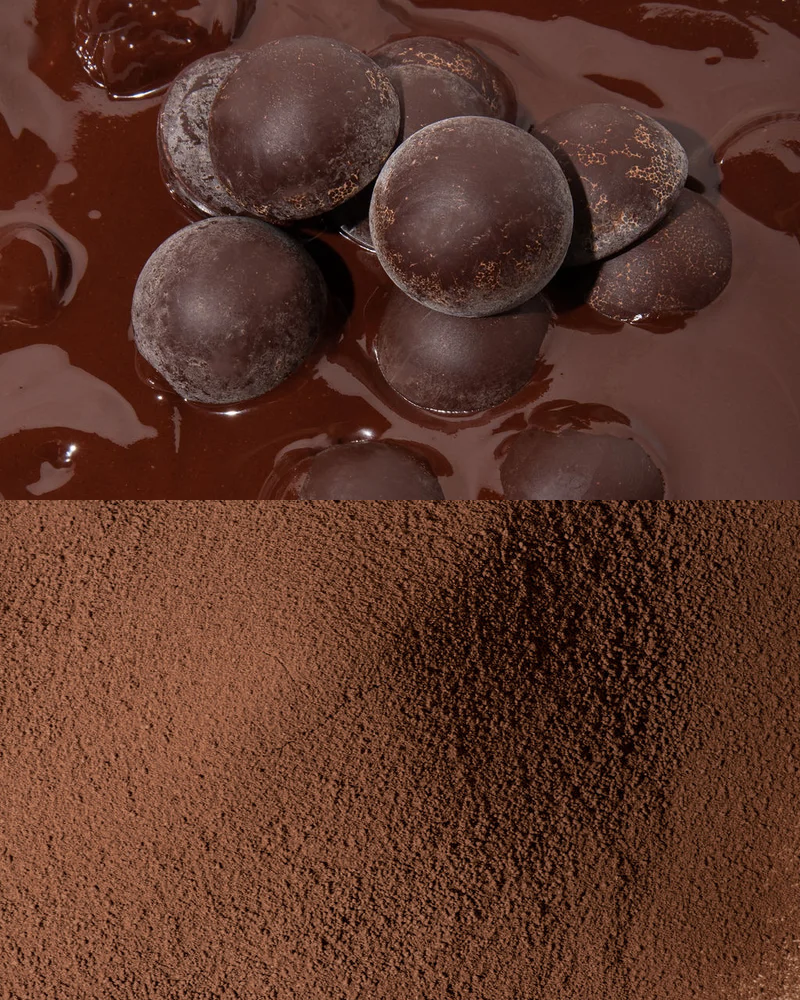
Cacao paste is made by stone-grinding whole cacao nibs until their own cacao butter melts and the whole thing turns into a thick, glossy paste.
Nothing added. Nothing removed.
Because the natural cacao butter stays in, cacao paste carries everything the bean had to offer:
- cacao solids
- cacao butter
- fibre
- naturally occurring minerals
- polyphenols
- theobromine
Think of it as the whole-food version of cacao. If you want to meet this plant as close to its natural state as you can, this is it.
What is cacao powder?

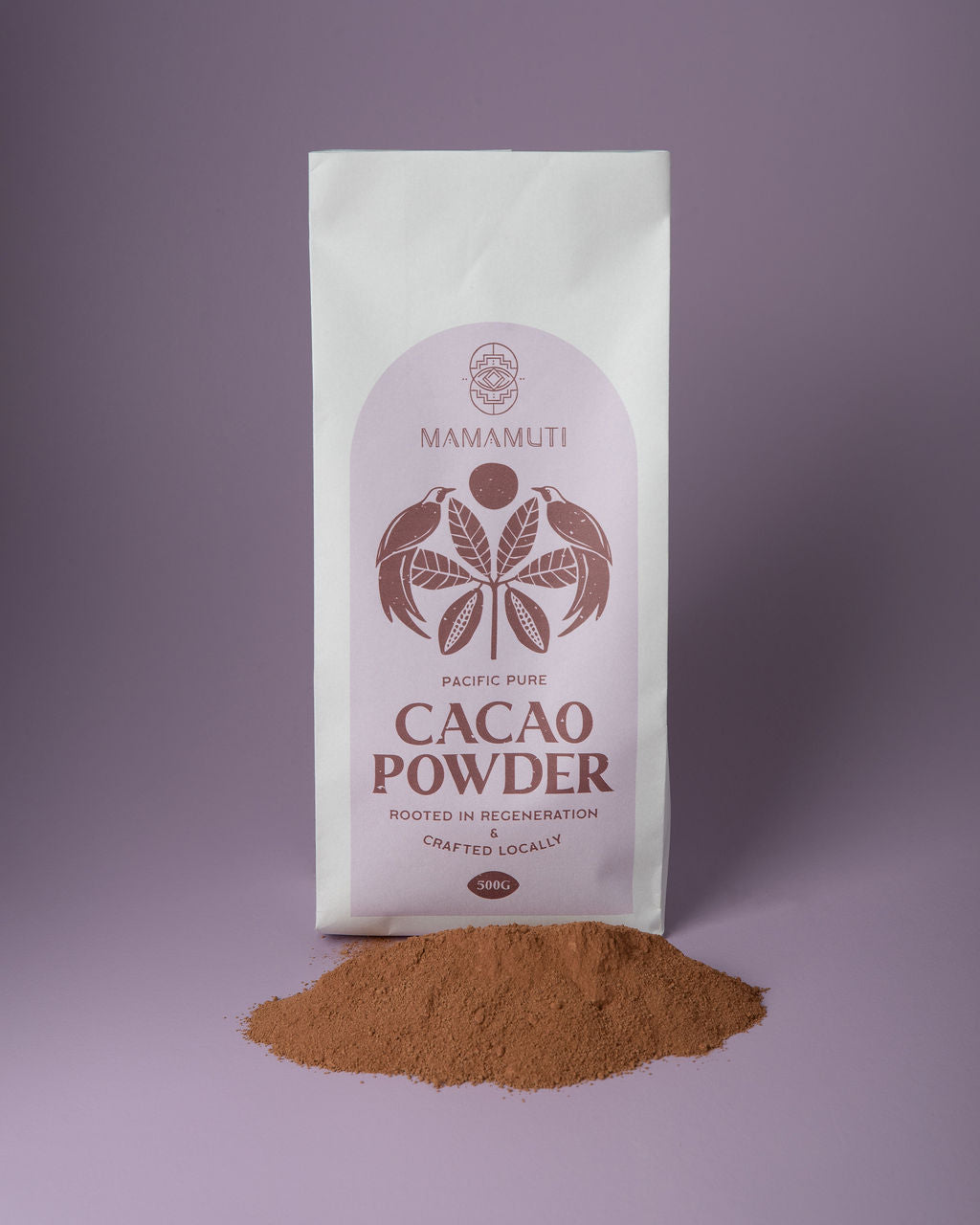
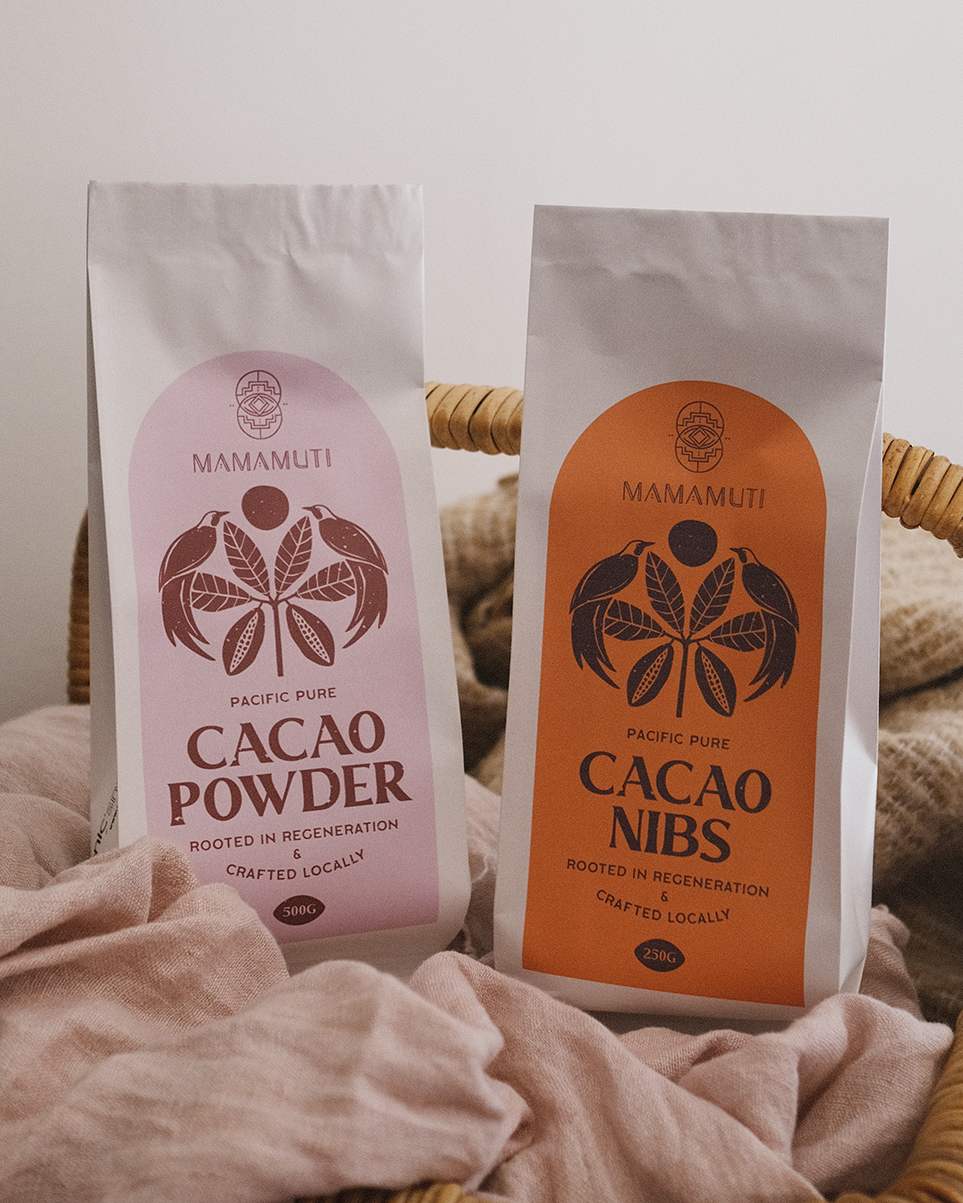
Cacao powder is cacao paste with most of the cacao butter pressed out, then ground fine.
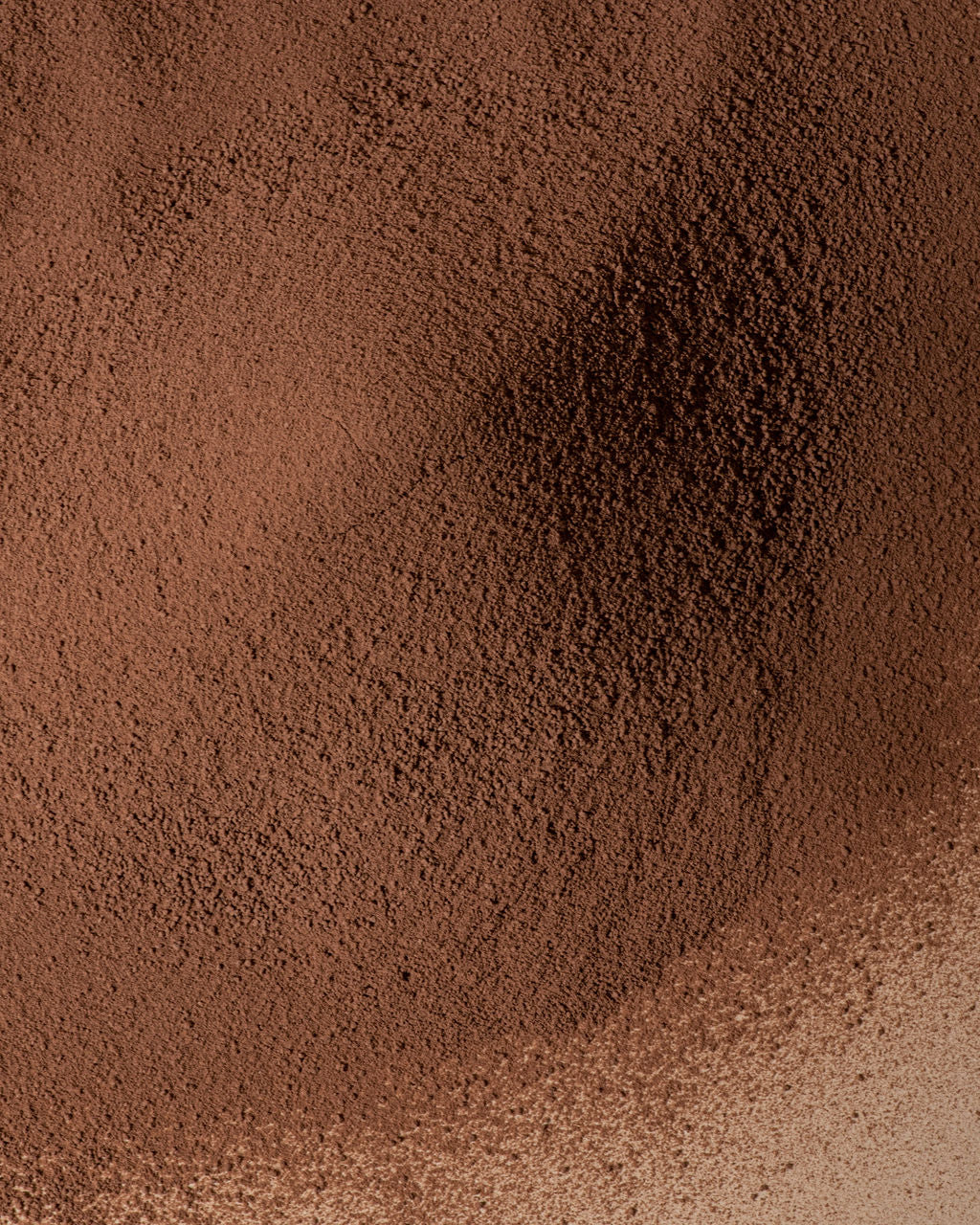
The defining feature is what does not happen to it: cacao powder is generally not Dutch processed. It keeps more of cacao's real flavour, the bright and slightly fruity and pleasantly bitter notes still intact. The colour is naturally lighter than most supermarket cocoas, which surprises people who expect dark to mean strong.
One honest caveat. There is no legal definition of "cacao powder", and processing varies between manufacturers. The only reliable way to know what you are buying is to turn the bag over and look for 100% cacao, no added sugar, no fillers.
What is cocoa powder?
Cocoa powder starts in exactly the same place: cacao paste, pressed under high pressure to remove much of the cacao butter, with the remaining cake milled into powder.
The difference arrives afterwards. Many cocoa powders are Dutch processed, which reduces the natural acidity, deepens the colour and produces a milder, more rounded chocolate flavour. It also dissolves beautifully and behaves predictably in baking.
There is nothing inherently wrong with any of that. It is a different expression of the same bean.
Cacao powder vs cocoa powder
This is the comparison most people are actually searching for, so here it is plainly.
Both are made the same way, by pressing most of the cacao butter out of cacao paste. The difference is almost entirely the processing that follows.
- Cocoa powder is often roasted harder and frequently Dutch processed, for a milder, more rounded flavour and a darker colour.
- Cacao powder is typically less processed, rarely Dutch processed, and keeps more of cacao's own character, including a little more natural acidity.
In practice: cocoa powder tastes like the chocolate you remember. Cacao powder tastes like the place it grew.
Cacao paste vs cocoa powder
This one is a bigger gap, because you are not comparing two processing styles. You are comparing a whole food with a pressed one.
Cocoa powder has had most of its cacao butter removed. Cacao paste has not. That single fact drives everything else: the texture, the richness, how satisfying the cup is, and how much of the original bean is still in your hand.
If cacao powder and cocoa powder are two dialects, cacao paste is the original language.
The quick comparison
| Cacao paste | Cacao powder | Cocoa powder | |
|---|---|---|---|
| What it is | Whole ground nibs | Paste with butter pressed out | Paste with butter pressed out |
| Cacao butter | All of it | Mostly removed | Mostly removed |
| Dutch processed | No | Rarely | Often |
| Flavour | Deep, fruity, complex | Bright, bold, bitter | Mellow, rounded, familiar |
| Colour | Deep brown | Naturally lighter | Darker |
| Best for | Drinking, slow rituals | Baking, smoothies | Baking to a recipe |
Which one is more nutritious?

Generally, the less processing, the more survives.
Cacao paste keeps the entire bean, cacao butter included, so it retains more of what was originally there: healthy fats, fibre, magnesium, iron, calcium, and naturally occurring antioxidants called polyphenols.
Press the butter out and you get powder. Still nutritious, but no longer the whole bean. Alkalise that powder and you move another step away again, because Dutch processing reduces some of those polyphenols.
A quick word on polyphenols, since they get mentioned constantly and explained rarely. They are naturally occurring plant compounds. I think of them as the body's quiet bodyguards, helping protect cells from the everyday wear and tear of oxidative stress. Oxidative stress is not a disease, it is simply part of being alive. Breathing does it. Moving does it. Getting older does it. Polyphenols are among the compounds in plant foods that support the body's own defences.
Useless but excellent cacao intel
Blueberries get the spotlight. Green tea gets the applause. Meanwhile cacao has been sitting quietly in the corner, absolutely loaded with polyphenols. Sometimes the quiet ones are the most impressive.
None of this makes cocoa powder bad. It simply means every processing step moves the bean a little further from where it started.
Which one tastes better?
You can probably guess where I stand, but it genuinely depends on what you are making.
I do not drink cacao because I want something sweet. I drink it because I want it to taste like the rainforest it came from. The deep chocolate notes, the caramel, the fruit, the earthiness, the small surprises every harvest brings. Minimally processed cacao still has a story to tell, and I am not interested in editing it out.
For drinking, paste wins and it is not close. Because the cacao butter is still there, the cup comes out velvety and genuinely satisfying in a way powder cannot quite manage. People are often surprised by how lush pure cacao feels.
For baking, powder is easier to work with. Lighter texture, more concentrated chocolate flavour, and it folds into a batter without a second thought.
Can I use cacao powder instead of cocoa powder in baking?
This is the question I get asked most, and the answer is good news.
Yes, usually you can.
Brownies, chocolate cake, muffins, cookies, pancakes, bliss balls, smoothies, a cosy mug of hot chocolate. Cacao powder swaps in for cocoa powder almost every time.
Two things to know. Because cacao powder is less processed, it carries a richer, more complex flavour and a little more natural acidity than Dutch-processed cocoa. Your baking may taste bolder and deeper, which most people consider an upgrade.
The exception is a recipe that specifically calls for Dutch-processed cocoa and leans on baking soda for its rise. Alkalised cocoa is less acidic, so the chemistry can shift slightly, and cakes are the most sensitive to it. For the overwhelming majority of everyday baking, it is a straight one-for-one swap.
So if you are standing in your kitchen with a bag of cacao powder in one hand and a brownie recipe in the other, wondering whether you can use it: almost certainly yes. Fair warning, once you have baked with pure cacao you may not go back.
Why we choose cacao

We did not start Mamamuti because the world needed another hot chocolate. We started it because we fell in love with cacao. The real stuff, the kind with a personality, the kind that tastes of the soil it grew in and the people who nurtured it.
Our cacao comes from Papua New Guinea, where volcanic soils and generations of knowledge produce genuinely remarkable flavour. It is grown regeneratively, on smallholdings where cacao sits among other crops and under shade rather than in cleared rows, in a way that feeds the soil instead of stripping it. The beans travel from small farming communities in Central Province and East Sepik. We buy directly from the people who grow them, which keeps the supply chain short and the relationships real.
What arrives is cacao containing nothing but cacao. No sugar. No fillers. No flavourings.
When you start with beans this good, there is very little left to improve. The job is simply to not get in the way.
So which should you choose?
There is no wrong answer here.
Baking brownies to a recipe? Cocoa powder is probably exactly right.
Baking often and want more flavour out of it? Cacao powder.
After a daily drink, a slower morning, or cacao in its whole-food form? Cacao paste is hard to beat.
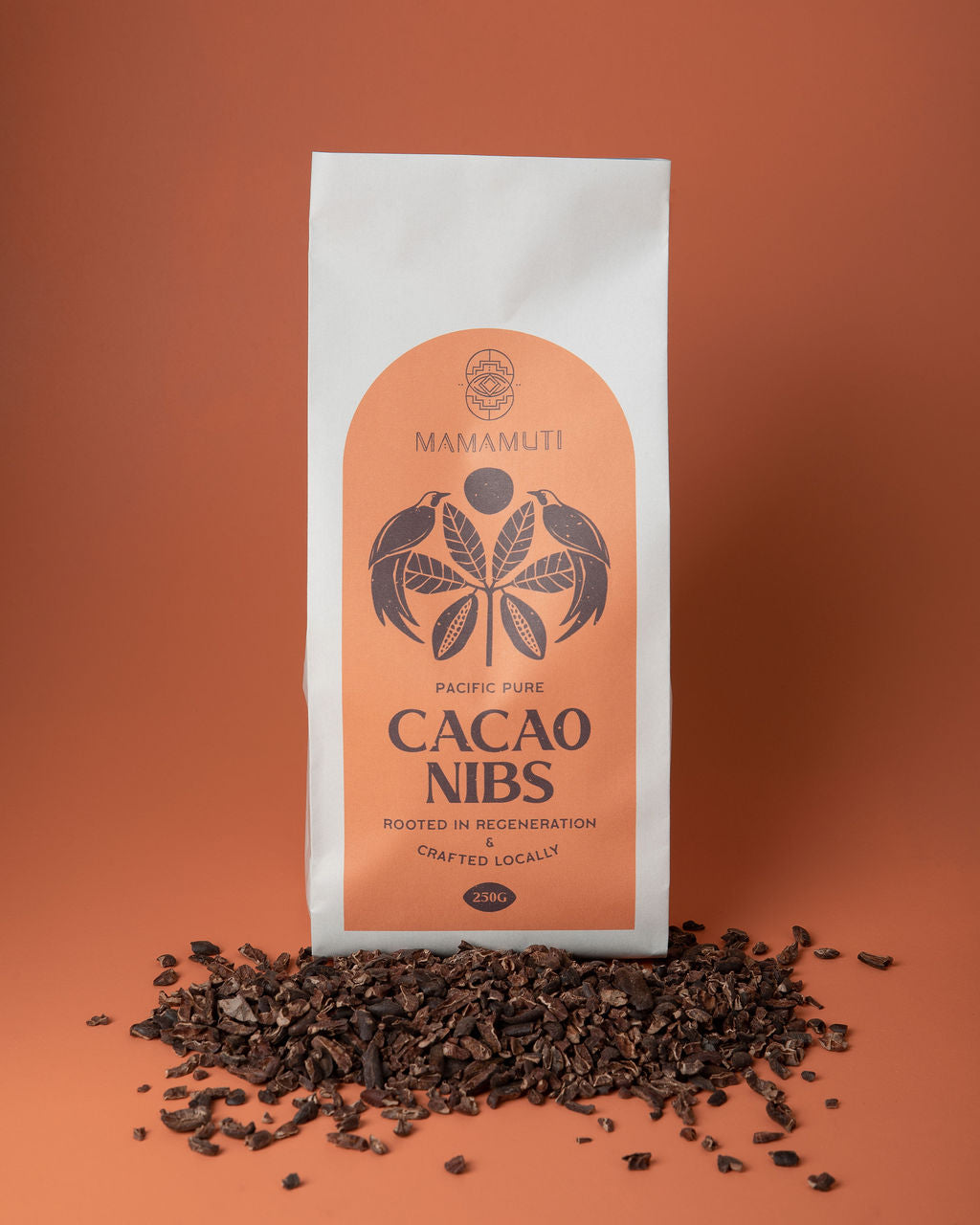
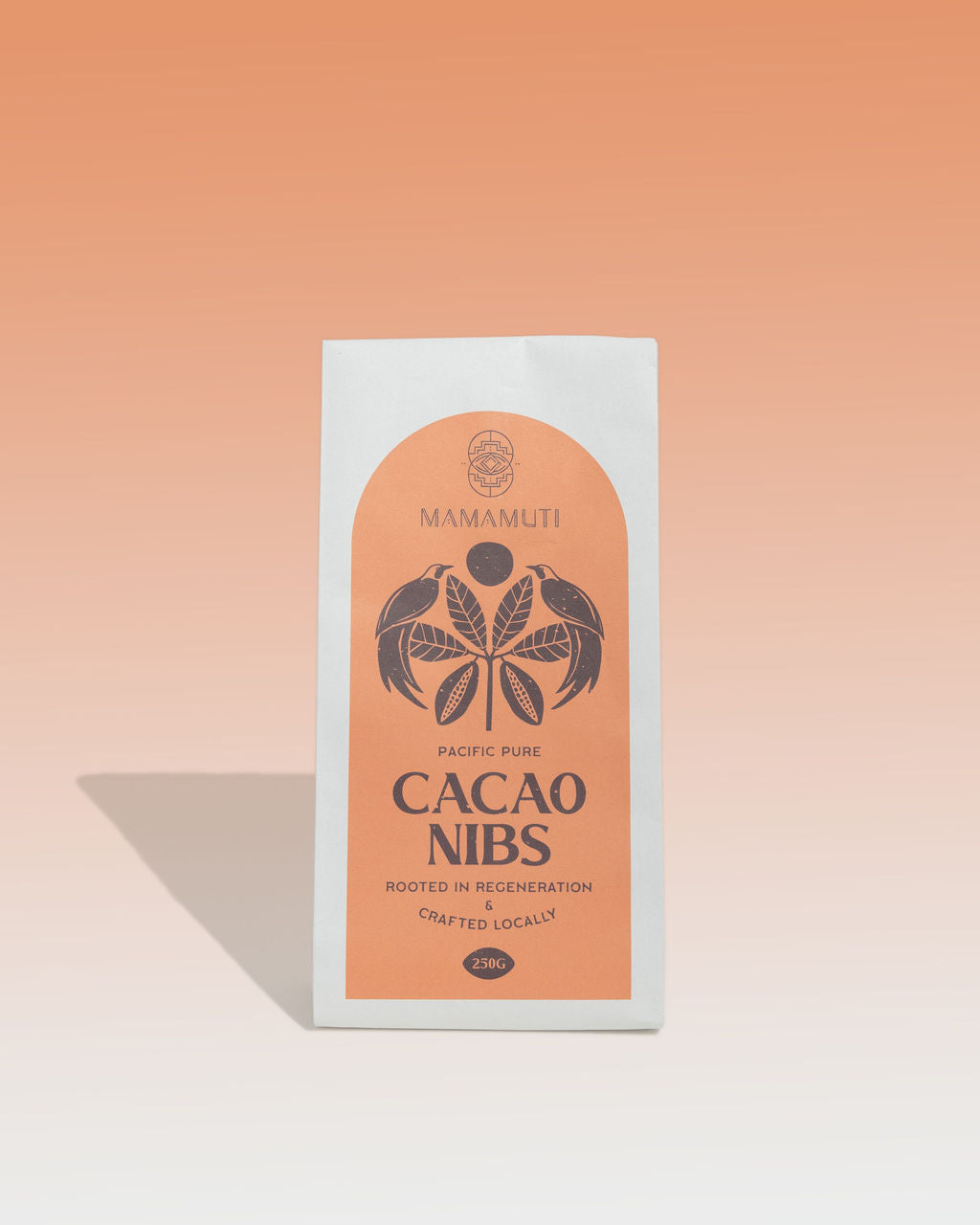
Want something to scatter over yoghurt, fold through baking or eat straight from the jar? Cacao nibs.
Frequently Asked Questions
What is the difference between cacao powder and cocoa powder?
Both are made by pressing most of the cacao butter out of cacao paste. Cocoa powder is often Dutch processed, meaning it is treated with an alkaline solution that reduces acidity and creates a milder, darker result. Cacao powder is usually not, so it keeps more of cacao's natural flavour and more of its polyphenols.
Is cacao powder the same as cocoa powder?
They come from the same bean and are made by the same pressing step, so they are close relatives rather than different products. The processing afterwards is what separates them.
What is cacao paste?
Cacao paste is made by stone-grinding whole roasted cacao nibs until their natural cacao butter melts into a thick paste. It contains both the cacao solids and the cacao butter.
Is cacao paste the same as chocolate?
No. Chocolate usually contains sugar, and often milk or other ingredients. Pure cacao paste contains only cacao.
Is cacao paste healthier than cocoa powder?
Both can be nourishing. Because cacao paste keeps the natural cacao butter and the whole bean, many people choose it as the least processed way to enjoy cacao.
Can I substitute cacao powder for cocoa powder?
In most everyday baking, yes, one for one. The exception is a recipe built specifically around Dutch-processed cocoa and baking soda, where the different acidity can affect the rise.
Where can I buy pure cacao in New Zealand?
Look for a product made from 100% cacao with no added sugar or fillers. Mamamuti's pure Pacific cacao is sourced directly from Papua New Guinea and sent anywhere in New Zealand.
One last thought
The more you learn about cacao, the simpler it gets. Paste, powder, cocoa. They all begin with the same remarkable seed. It is only the journey afterwards that makes them different.
We have chosen to stay as close to that beginning as we can. One ingredient, 100% cacao, nothing added and nothing taken away, from the people who grow it.
If you have never tried pure cacao, consider this your invitation. Brew a cup. Taste it slowly. Let the cacao do the talking.
Pleasure is the purpose.



Leave a comment
This site is protected by hCaptcha and the hCaptcha Privacy Policy and Terms of Service apply.