
Fairtrade Cacao: What Does Fairtrade Certification Actually Mean?
We’ve been taught to look for the logo. Fairtrade = good. No Fairtrade certification = questionable. But when it comes to cacao, is it really that simple?
I don’t think it is.
And before anyone gets their cacao in a twist, this is not an anti-Fairtrade rant.
Fairtrade has done enormously important work bringing farmer pay, working conditions, child labour, environmental standards and inequality within global food supply chains into public conversation.
That matters. But here at Mamamuti, I’m increasingly interested in what sits behind the labels we put on food.
So, let’s undress this one.
What does Fairtrade actually mean?
Fairtrade is a certification system.
For cacao, it sets standards around things like producer organisations, working conditions, environmental practices, traceability, pricing and the Fairtrade Premium, additional money paid to producer organisations to invest according to priorities decided by their members.
There are standards. There are records. There are audits.
All good things.
But here’s the bit I think many consumers don’t realise:
Fairtrade certification doesn’t simply mean someone visited a lovely cacao farmer, saw that they were doing everything beautifully and gave them a Fairtrade stamp.
There’s an entire system behind that little logo.
So what does a cacao farmer actually have to do?
For most small-scale cacao farmers, certification happens through a producer organisation or cooperative rather than simply through an individual farm.
That organisation needs governance and administration. Farmer and production records. Traceability systems. Management processes. Environmental and labour compliance. Internal inspections. Training. Documentation.
Then comes the external certification process and audits.
And all of that requires something farmers aren’t exactly drowning in:
Time. People. Administration. And money.
Fairtrade itself acknowledges that producer organisations need to weigh the costs of certification against the potential benefits.
And this is where things get interesting.
Because certification and fairness aren’t necessarily the same thing
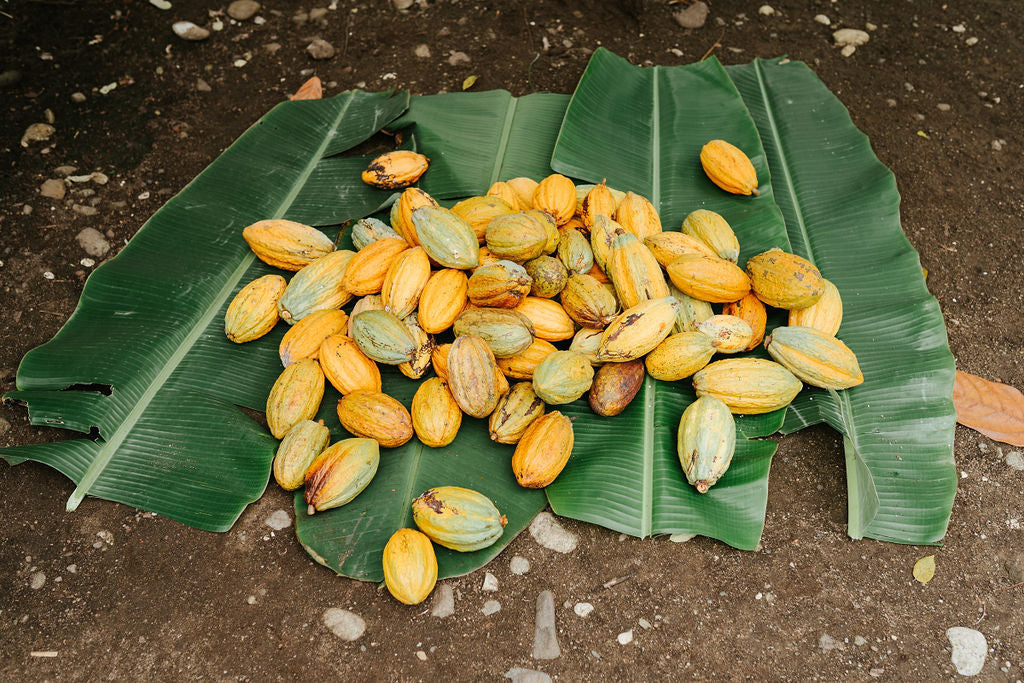
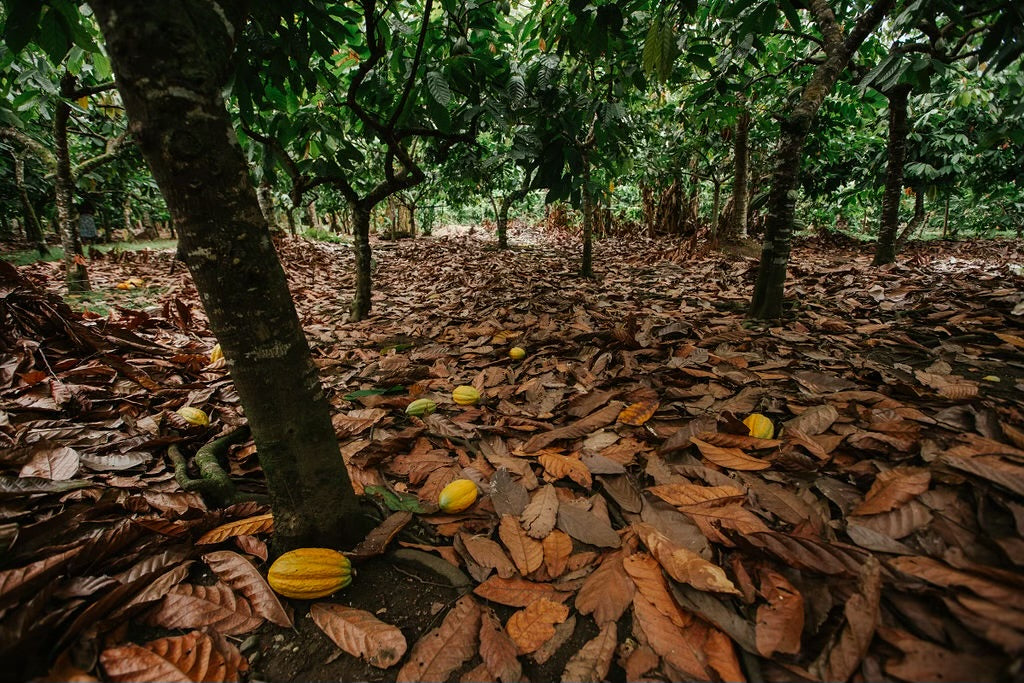
Imagine a small cacao-growing community in the Pacific.
They know their land.
They grow beautiful cacao.
They ferment and dry it carefully.
They have a direct relationship with the person buying it.
They know where their cacao is going.
The buyer knows exactly where it came from.
A price is negotiated directly and the growers are paid well.
There may be very few people standing between farmer and customer.
But they haven’t gone through the Fairtrade certification system.
Is that cacao unfairly traded?
Of course not.
It simply isn’t Fairtrade certified.
And those are two different things.
A logo can tell us something. It can’t tell us everything.
This is where I think we, as conscious consumers, need to become a little more curious.
Certification can provide important safeguards, particularly within huge global commodity supply chains where cacao can pass through multiple hands before becoming the chocolate bar sitting on a supermarket shelf.
But a logo cannot tell you the entire story of a relationship.
It doesn’t necessarily tell you:
Who actually grew this cacao?
What were they paid?
Who bought it from them?
How many hands did it pass through?
How much of the final value stayed in the cacao-growing community?
Do the farmers know who eventually uses their cacao?
Does the buyer know the farmers?
And perhaps one of my favourite questions:
Have the farmers ever actually tasted what their cacao eventually becomes?
Because astonishingly, many haven’t despite having a fair trade certificate.
This matters particularly in cacao
Cacao is a massive global commodity.
Millions of smallholder farmers grow the raw ingredient behind one of the world’s most desired foods, yet poverty remains deeply embedded in parts of the cacao supply chain.
That isn’t a romantic story.
It’s the modern cacao industry.
And I think we do farmers a disservice when we reduce something this complicated to:
Logo = good. No logo = bad.
Food systems are far messier than that.
Why Mamamuti doesn’t lead with certification
I’ve always been far more interested in relationships than badges.
I want to know where our cacao comes from.
I want to know who is growing it.
I want as few unnecessary hands between those growers and Mamamuti as possible.
I want transparency around the supply chain.
And I want the people producing cacao to be recognised as people, not as a romantic farmer photograph used to sell a premium product at the other end of the world.
That doesn’t make certification meaningless.
Far from it.
It simply means certification is one piece of information, not the whole story.
Maybe we need to start asking better questions
Instead of only asking:
“Is this cacao Fairtrade?”
Maybe we could also ask:
Who grew it?
Where exactly did it come from?
Who bought it from the growers?
What were the growers paid?
How many people handled it before it reached me?
Can the company selling it actually answer those questions?
Because perhaps the fairest trade isn’t always the one with the best-looking badge.
Perhaps sometimes it’s the one where everyone can simply show you the money, the people and the journey.
No mythology.
No halo.
No fluff.
Just transparency.
And really good cacao.
This is part of UNDRESSING CACAO - an ongoing Mamamuti conversation stripping away the marketing, mythology and wellness speak surrounding one of the world’s most extraordinary foods.





Leave a comment
This site is protected by hCaptcha and the hCaptcha Privacy Policy and Terms of Service apply.