
Article: Is Cacao Good for Gut Health? What Cacao Does to Your Gut & Microbiome
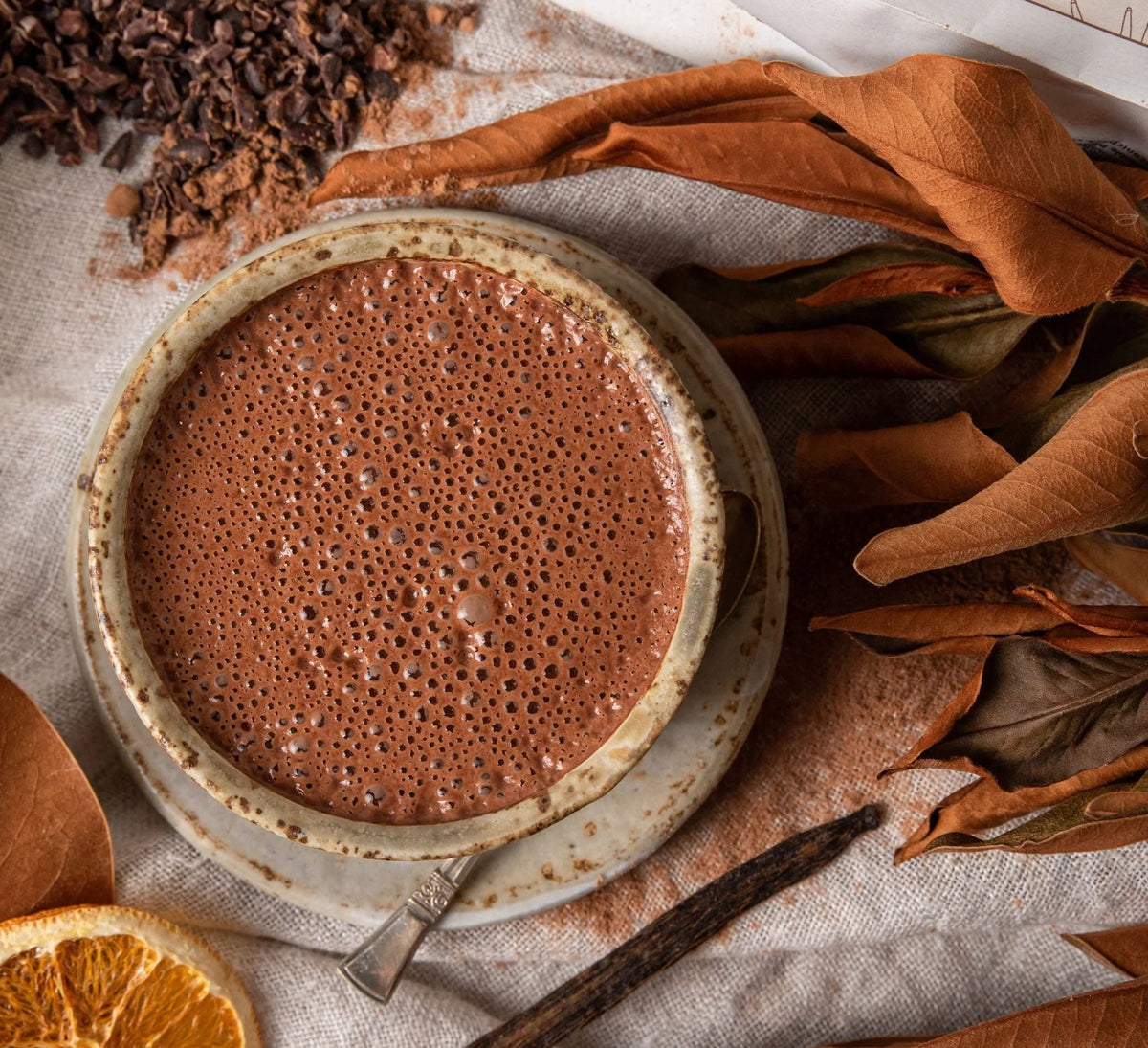
Is Cacao Good for Gut Health? What Cacao Does to Your Gut & Microbiome
We talk a lot about cacao and magnesium.
We talk about antioxidants, mood, energy and all those lovely plant compounds.
But there’s another relationship happening that I think deserves far more attention.
Cacao and your gut.
Because when you eat or drink cacao, you’re not the only one getting fed.
Your gut microbes are getting involved too.
And the relationship between pure unprocessed cacao, its fibre, its polyphenols and the trillions of microorganisms living inside us is far more interesting than simply declaring cacao another “gut health superfood.”
So, is cacao actually good for your gut?
Let’s undress this one.
First, what do we actually mean by “gut health”?
“Gut health” has become another enormous wellness phrase.
Usually we’re talking about how well the gastrointestinal system is functioning, but increasingly the conversation centres around the gut microbiome, the enormous community of bacteria and other microorganisms that live throughout our digestive tract, particularly in the large intestine.
These microbes don’t just sit there.
They interact with the food we eat, break down compounds we can’t completely digest ourselves and produce metabolites that can interact with our bodies.
Which brings us rather deliciously to cacao.
Cacao contains fibre. Quite a lot of it, actually.
This is one of cacao’s nutritional qualities that gets surprisingly little attention.
Everyone wants to talk about magnesium and flavanols.
Meanwhile, fibre is quietly sitting in the corner doing its thing.
Cacao solids naturally contain dietary fibre, much of which passes through the small intestine and reaches the colon.
And that’s important because the colon is home to a huge population of microorganisms.
Some components of the food we can’t fully digest become substrates for those microbes, essentially giving them something to work with.
Human research has also investigated cocoa fibre specifically. In one randomized crossover study of healthy adults, a fibre-rich cocoa product increased bowel movement frequency and was associated with some improvements in reported bowel function.
There was also more flatulence.
Because nature likes to keep us humble.
So while I’m not about to tell you cacao will “heal your gut”, there is a much less glamorous but very useful fact here:
Pure cacao is a naturally fibre-containing food.
Then things get really interesting: cacao polyphenols
Cacao contains a complex collection of plant compounds called polyphenols.
Among them are cacao flavanols including epicatechin and catechin, along with larger compounds called procyanidins.
These compounds are often talked about as though we eat cacao, absorb all its polyphenols and voilà, antioxidants.
The reality is much more interesting.
Not all cacao polyphenols are readily absorbed in the small intestine.
Some continue further through the digestive tract and arrive in the colon.
And there they meet your microbes.
Your gut microbes help transform cacao
This is the bit I love.
The relationship appears to go both ways.
Cacao can influence the microbial environment in the gut, and our gut microbes can transform compounds found in cacao.
Microorganisms in the colon can metabolise cacao polyphenols, breaking larger compounds down into smaller metabolites.
Those metabolites may then be absorbed and interact with the body.
So when we talk about the “benefits” of cacao polyphenols, we’re missing part of the story if we ignore the microorganisms involved in processing them.
You eat cacao.
Your microbes get involved.
They transform parts of it.
Your body encounters what comes next.
It’s a relationship rather than a straight line.
Does cacao feed your good gut bacteria?
Potentially.
And this is where the word prebiotic starts appearing.
Prebiotics are substrates (fuel/compounds/materials) that are selectively used by microorganisms in the body and confer a health benefit.
There is some fascinating human research suggesting compounds in cacao may have prebiotic-like effects.
In one controlled human study, people consuming a high-flavanol cocoa drink for four weeks showed increases in populations of Bifidobacterium and Lactobacillus compared with people consuming a low-flavanol cocoa drink.
That sounds impressive.
But we’re not going to stop reading there.
A much smaller study published years later didn’t reproduce those same bacterial changes after a shorter intervention using cocoa flavanols.
And this is precisely why I resist taking one exciting cacao study and turning it into a marketing claim.
The science isn’t finished.
Neither is nature.
Different people have different microbiomes. Different cacao contains different concentrations of these compounds. Growing conditions, genetics, fermentation and processing can all influence what eventually ends up in your cup.
Cacao doesn’t fit neatly into a box.
Neither does your gut.
And then there’s fermentation
Before cacao ever meets the microbes living inside you, it has already had a rather intimate relationship with microbes of its own.
Because cacao is fermented after harvest.
Crack open a ripe cacao pod and you’ll find cacao seeds surrounded by a beautiful sweet, sticky white pulp.
Those fresh seeds don’t taste like the cacao you know.
After harvest, the seeds and their pulp are typically gathered together and allowed to ferment.
And then the microbial party begins.
Yeasts become active.
Lactic acid bacteria get involved.
Acetic acid bacteria follow.
Temperatures rise. Acidity changes. The pulp surrounding the seeds breaks down. Acids and heat penetrate the cacao seed and trigger a cascade of biochemical changes.
Over several days, precursors to the flavours and aromas we eventually associate with cacao begin developing.
Chocolate doesn’t begin brown.
And chocolate flavour doesn’t simply exist inside a fresh cacao seed waiting for us to discover it.
Fermentation helps create it.
So… is cacao a fermented food?
Technically, fermentation is fundamental to the production of most cacao and chocolate.
But here’s where language matters.
That doesn’t automatically make the cacao in your cupboard a probiotic food.
Those are two very different things.
After fermentation, cacao is dried and may subsequently be roasted and processed. We’re therefore not drinking cacao because we expect it to deliver colonies of living probiotic bacteria in the way we might think about some yoghurts or other foods containing live cultures.
The interesting relationship with the gut is elsewhere.
It’s in cacao’s fibre.
Its polyphenols.
And what our gut microorganisms do with them.
Which, frankly, I find much more interesting anyway.
Fermentation also changes flavour
Fermentation isn’t simply something cacao has to endure before becoming chocolate.
It is one of the major architects of cacao flavour.
Depending on the cacao itself and how fermentation occurs, it can help create the precursors for flavours we might later describe as fruity, floral, nutty, caramel-like, earthy or deeply chocolatey.
Fermentation conditions matter.
Time matters.
Temperature matters.
Acidity matters.
Microbes matter.
And this is another reason I find the idea of reducing cacao quality to a word such as raw, ancestral, ceremonial or even a particular genetic variety so limiting.
There is an entire chain of biology, agriculture and human skill behind what eventually reaches your cup.
Does processing affect cacao’s gut-health potential?
Yes.
Cacao isn’t a nutritionally fixed substance.
Fermentation, drying, roasting and further processing can alter its chemical composition, including its polyphenols.
And different cacao products can be very different foods.
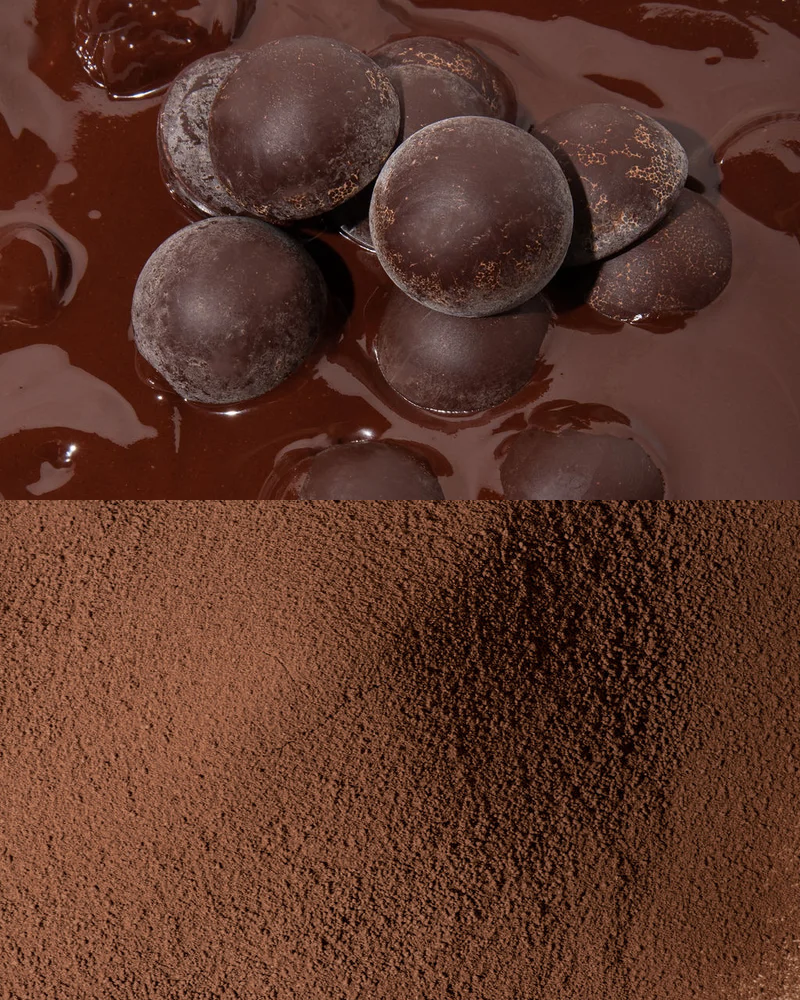
Pure cacao paste.
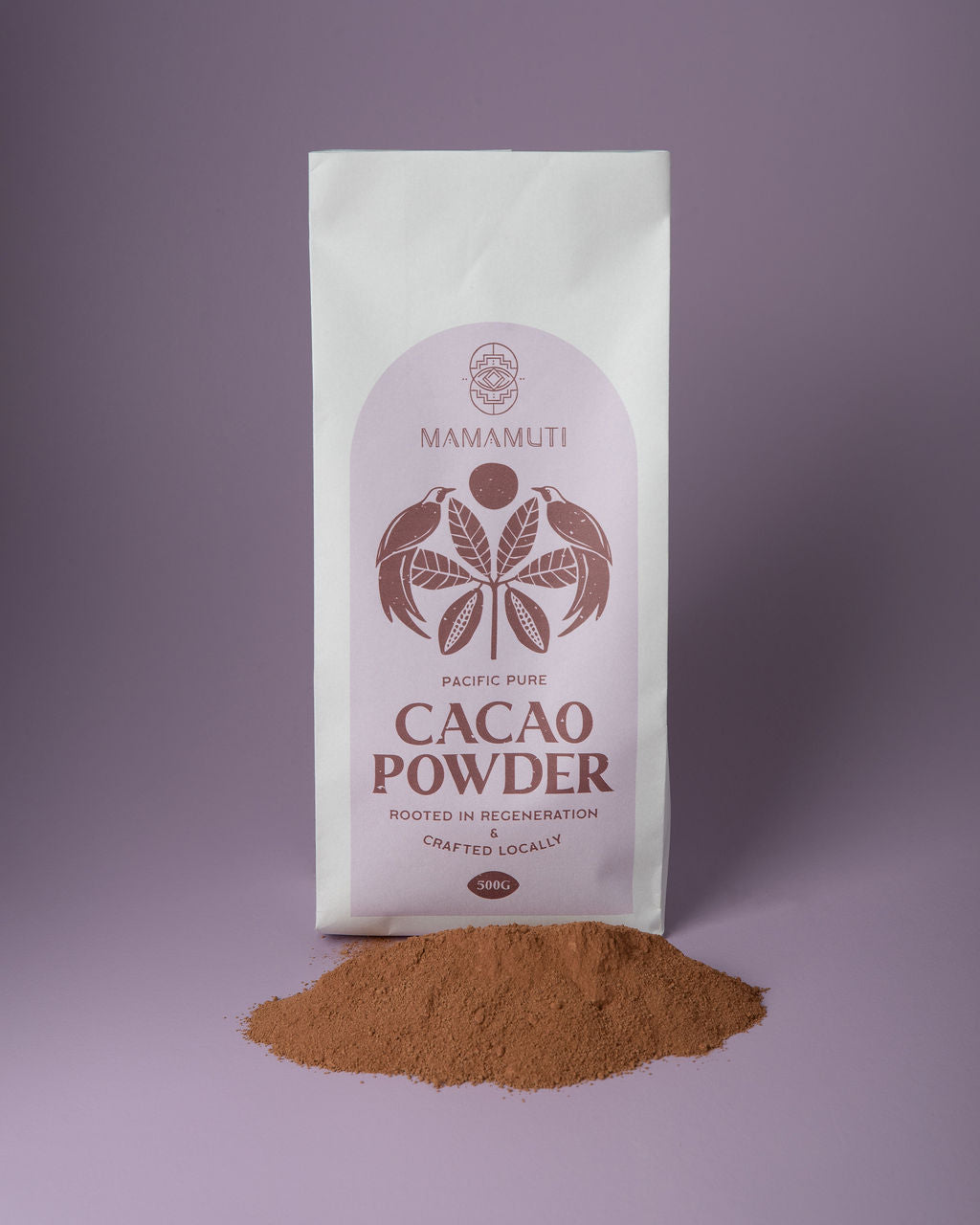
Cacao powder.
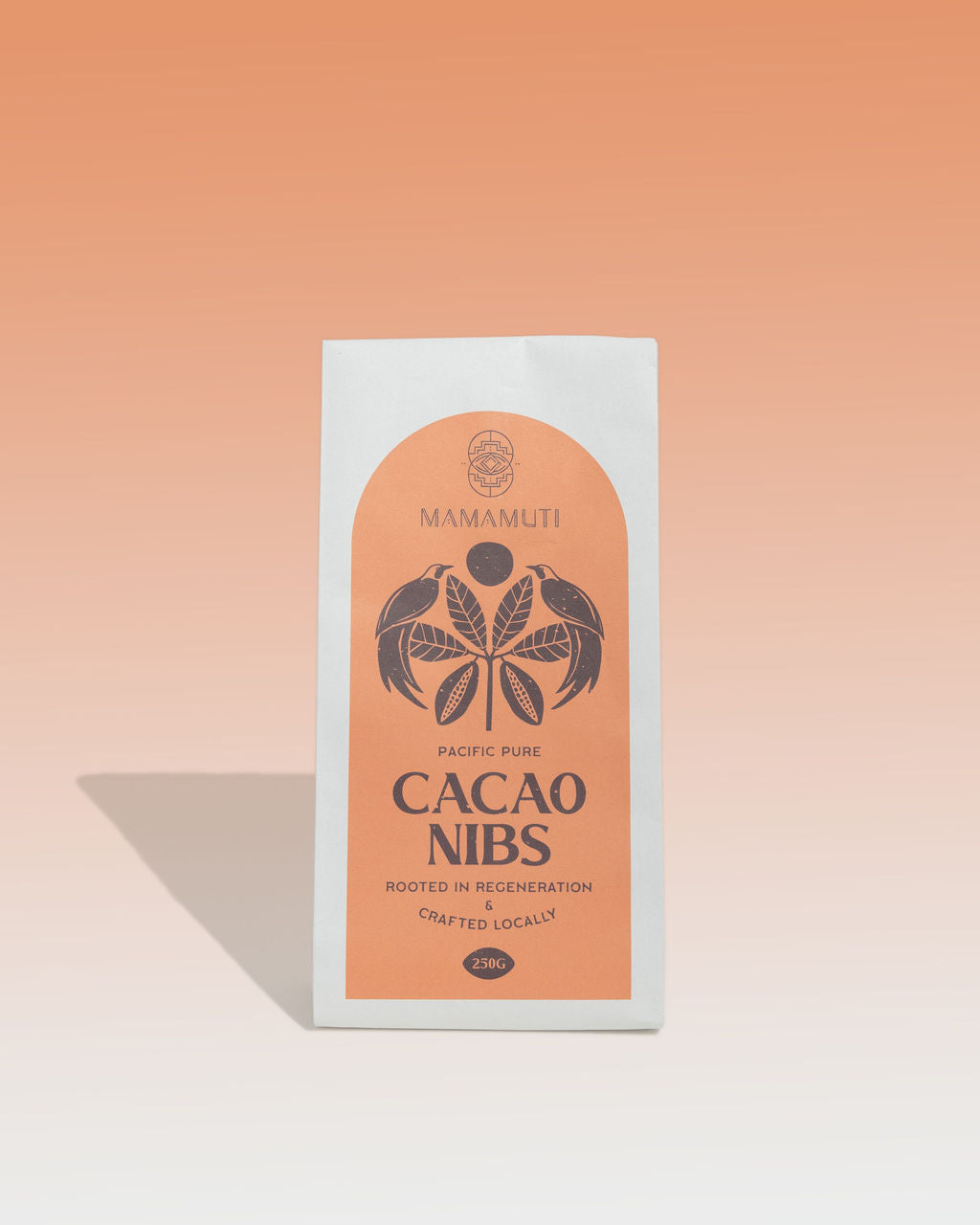
Cacao nibs.
Dark chocolate.
Milk chocolate.
A highly sweetened chocolate drink.
They’re all connected to the same plant, but they’re not nutritionally interchangeable.
Even two bags of 100% cacao aren’t necessarily chemically identical.
Nature doesn’t manufacture to a spreadsheet.
Growing conditions change. Harvests change. Fermentation changes. Processing changes.
And your microbiome changes too.
So, should you drink cacao for gut health?
I’d ask a different question.
Do we really need cacao to fix another part of us before we’re allowed to enjoy it?
Cacao is a naturally fibre-containing, polyphenol-rich plant food.
Human and laboratory research suggests fascinating interactions between cacao compounds and the gut microbiome. Our microbes can metabolise cacao polyphenols, and some research suggests cacao compounds may influence particular microbial populations and aspects of bowel function.
That’s interesting.
But it’s not the same thing as saying:
Cacao heals your gut.
Cacao fixes your microbiome.
Cacao is a probiotic.
Or my personal favourite wellness rabbit hole:
Everyone should consume cacao every day because science says so.
It doesn’t.
And we don’t need it to.
We can simply recognise cacao for what it is: an extraordinarily complex plant food that has already passed through one microbial ecosystem before entering another.
The microbes help make the cacao.
Then our microbes help us make something of it.
I think that’s rather beautiful.
And perhaps cacao doesn’t need another health promise attached to it to make it worthy of our attention.
Pleasure is the purpose.
Frequently Asked Questions About Cacao & Gut Health
Is cacao good for gut health?
Cacao naturally contains dietary fibre and polyphenols that interact with the digestive system and gut microbiome. Research suggests cacao compounds may influence certain gut microorganisms and that gut bacteria metabolise some cacao polyphenols. However, research in humans is still developing, so cacao shouldn’t be presented as a treatment for gut problems.
Is cacao a prebiotic?
Cacao contains fibre and polyphenols that may have prebiotic-like effects, and some human studies have reported changes in particular beneficial bacterial populations after cocoa flavanol consumption. Evidence isn’t yet consistent enough to reduce cacao to simply “a prebiotic.”
Does cacao contain probiotics?
Not necessarily. Cacao undergoes microbial fermentation after harvest, but finished cacao shouldn’t automatically be called a probiotic food. Fermentation is crucial to cacao production and flavour development, but subsequent drying, roasting and processing mean the finished product shouldn’t be assumed to contain meaningful quantities of live probiotic microorganisms.
Does cacao help you poop?
Perhaps the least glamorous cacao question on Google, but a perfectly reasonable one.
Cacao contains dietary fibre, and human research using fibre-rich cocoa products has found increased bowel movement frequency. Individual responses vary, though, and consuming more cacao isn’t necessarily the answer to constipation.
Can cacao upset your stomach?
It can for some people. Individual tolerance varies, and quantity, the cacao product itself, other ingredients consumed with it and someone’s existing digestive health can all influence how cacao feels in the gut.
Is cacao better for your gut than cocoa?
Not automatically.
The words cacao and cocoa alone don’t tell us enough about a product’s nutritional composition. How the cacao was grown, fermented, roasted and processed, and what else has been added, matters considerably more than relying on the name printed on the front of the packet.







Leave a comment
This site is protected by hCaptcha and the hCaptcha Privacy Policy and Terms of Service apply.