

The Cacao Myth Files: Is Ceremonial Cacao Actually Different?
This one might be the most controversial article I’ve ever written. And that’s okay. Because I think it’s an important conversation to have. Let’s start with the question.
Is ceremonial cacao actually a different kind of cacao? The answer is… Not really.
So what is ceremonial cacao?
Here’s where things get interesting. Despite how often the term is used, “ceremonial cacao” isn’t a scientific classification. It isn’t a botanical classification. It isn’t a legal classification. There isn’t an internationally recognised standard that says, “This cacao is ceremonial, and this cacao isn’t.”
Instead, it’s a term that’s been adopted by different brands, teachers and communities, and everyone seems to define it a little differently.
For some, ceremonial cacao means minimally processed cacao. For others, it means cacao that’s used in a ritual or gathering. Others define it by where it’s grown, how it was processed, or who prepared it.
The truth is, there isn’t one universally accepted definition.
A little history…
Before we go any further, I think it’s important to honour cacao’s history. For thousands of years, cacao was deeply valued by Indigenous cultures throughout Mesoamerica.
The Maya, the Aztec and many other communities cultivated cacao, drank it, traded it and incorporated it into important social, cultural and spiritual practices. That history is real.
What is much newer is the modern Western concept of “ceremonial cacao” as a product category, along with the style of cacao ceremonies that have become popular around the world over the past few decades.
Much of this modern movement is associated with the late Keith Wilson, an American geologist who settled in Guatemala and helped popularise what he called “Ceremonial Grade Cacao” in the early 2000s.
His work introduced many people to cacao in a ceremonial setting and played a significant role in shaping the movement we see today. I think it’s important to recognise both truths.
Cacao has a rich ceremonial history that stretches back thousands of years. The modern cacao ceremony movement is a much more recent expression of that history. Those aren’t contradictory ideas…they can both be true.
Here’s where I stand.
At Mamamuti, we’ve intentionally chosen not to use the term ceremonial cacao. Not because our cacao doesn’t fit the description.
Quite the opposite.
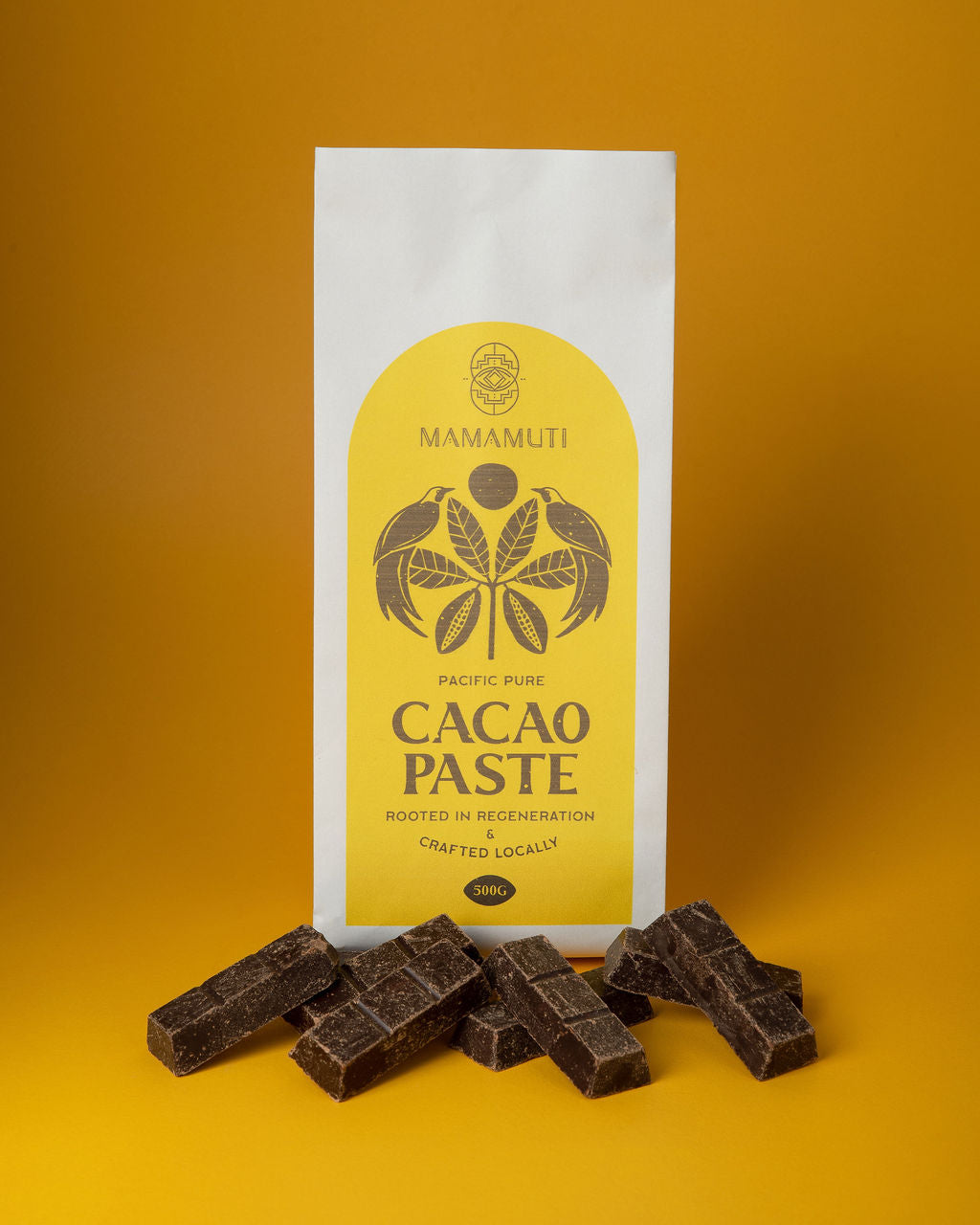
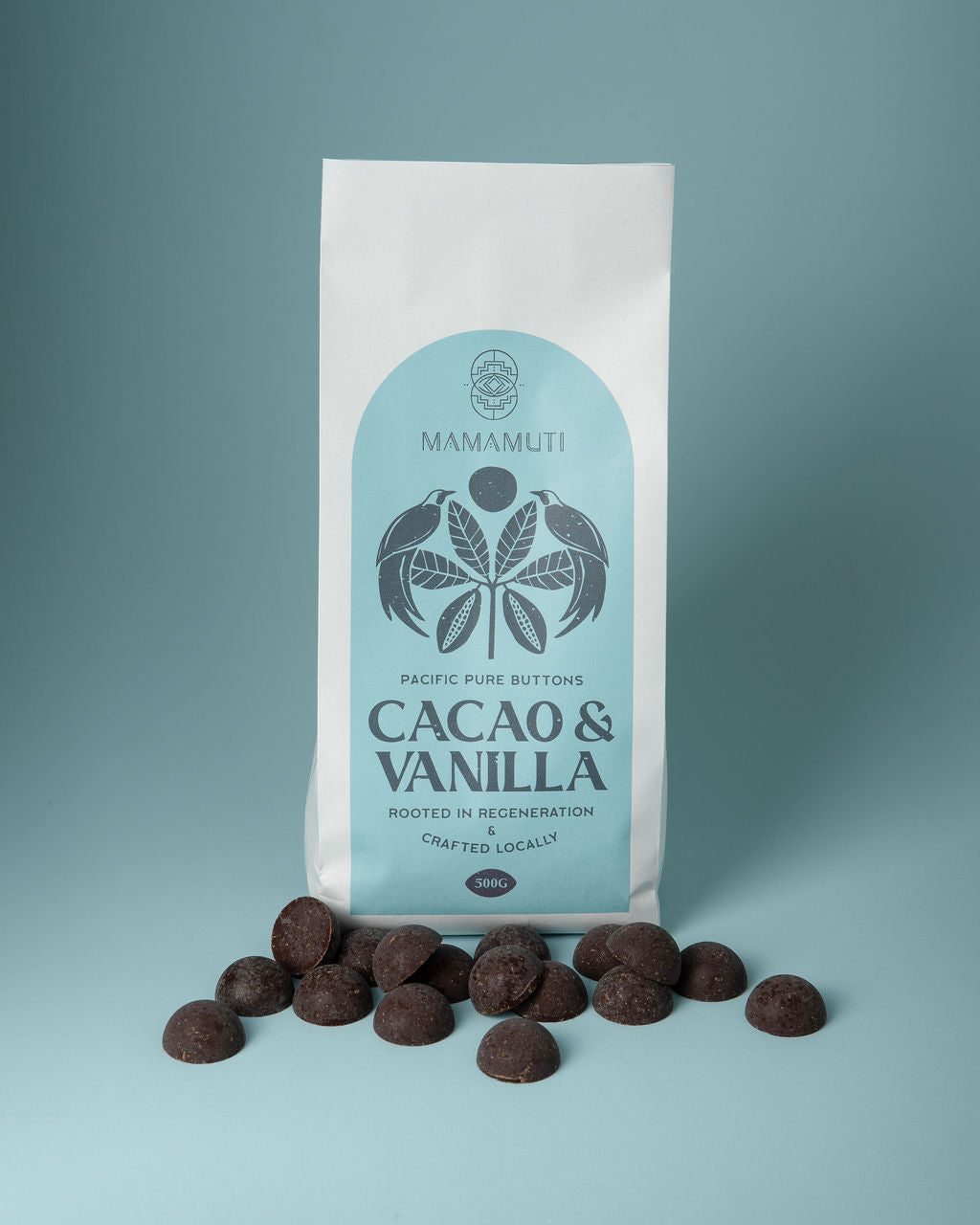
Our cacao paste is traditionally grown, carefully fermented, minimally processed and stone-ground into a beautiful, pure paste.
By the definition most people use today, it would comfortably sit within the “ceremonial cacao” category. We simply choose not to use the label.
Why? Because I don’t believe the magic comes from the label. I believe it comes from you.
I’ve experienced profound moments with cacao. I’ve cried. I’ve laughed. I’ve had life-changing conversations over a mug of cacao. I’ve found clarity. I’ve found peace.
But I don’t believe those experiences happened because the packet said ceremonial.
I believe they happened because I was present.
Because I was open.
Because I slowed down.
Because I gave myself permission to listen.
I also worry about something else.
Over the years, I’ve watched the cacao world become increasingly full of rules. You need this cacao. You need this dosage. You need this ritual. You need this facilitator. You need this training. You need this certificate.
Personally… I don’t believe you need someone else’s permission to have a meaningful relationship with cacao.
And don’t get me wrong, I’m all for education, learning and honouring cacao’s cultural roots.
But, one of the things I care most deeply about is helping people reclaim their own experience. To trust themselves. To think for themselves. To use a little common sense.
Because your relationship with cacao belongs to you. Not to a brand. Not to an influencer. Not to a facilitator. Not to me.
Can cacao still be sacred?
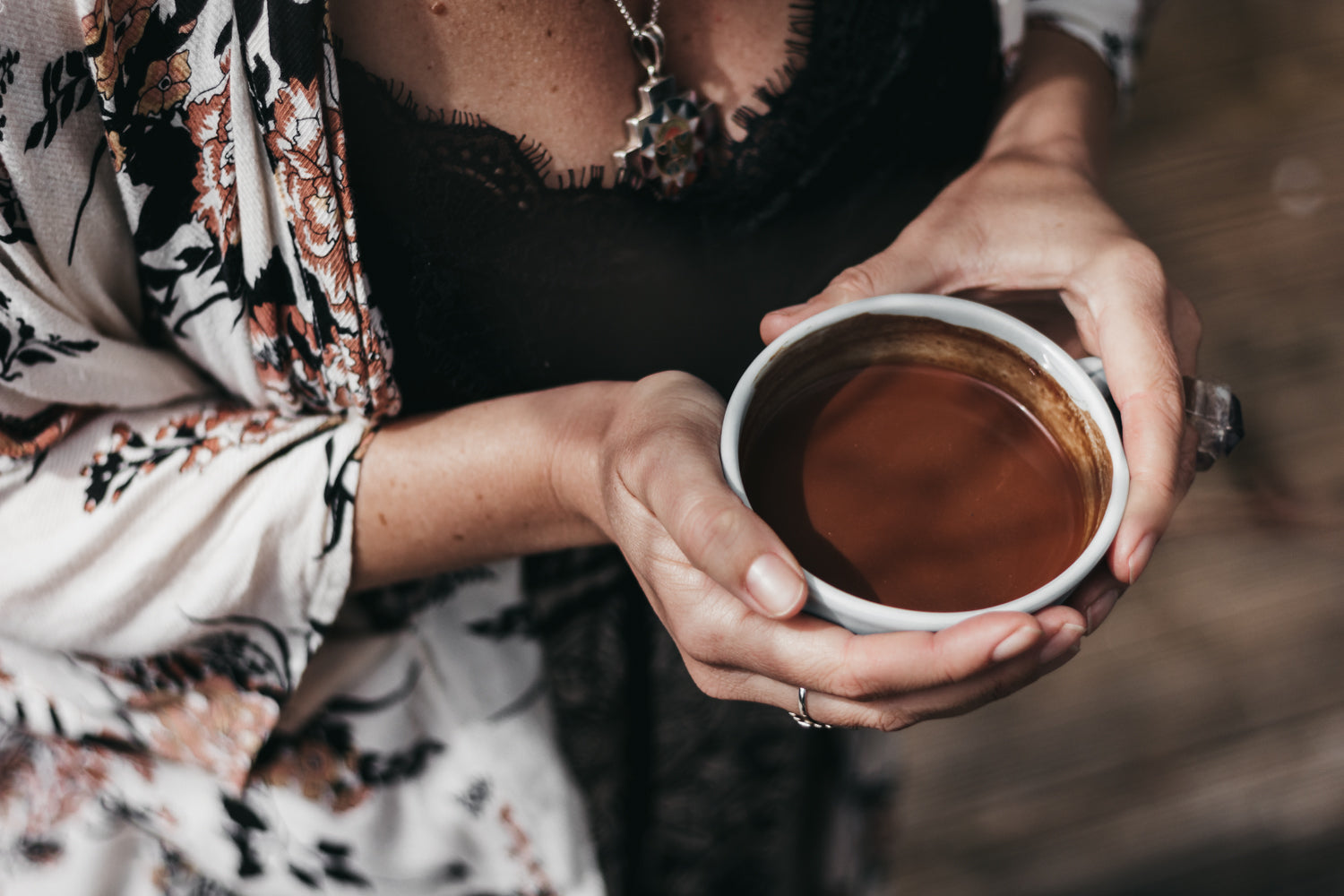
Absolutely. If making yourself a mug of cacao every morning helps you feel connected, grounded and present… That’s beautiful. If sharing cacao with friends before dinner becomes a cherished ritual… That’s beautiful too.
If you quietly sip cacao while watching the sunrise… Wonderful. If you drink it before heading out for the evening… Wonderful.
Meaning doesn’t come from a label. Meaning comes from us.
A final thought
I think we’ve spent too much time asking whether our cacao is ceremonial. I’d rather ask different questions.
Who grew it?
Were they paid fairly?
How was it fermented?
How was it processed?
How does it taste?
Does it bring you joy?
Does it invite you to slow down?
Does it help you feel more connected to yourself and the people around you?
Those questions feel far more meaningful to me.
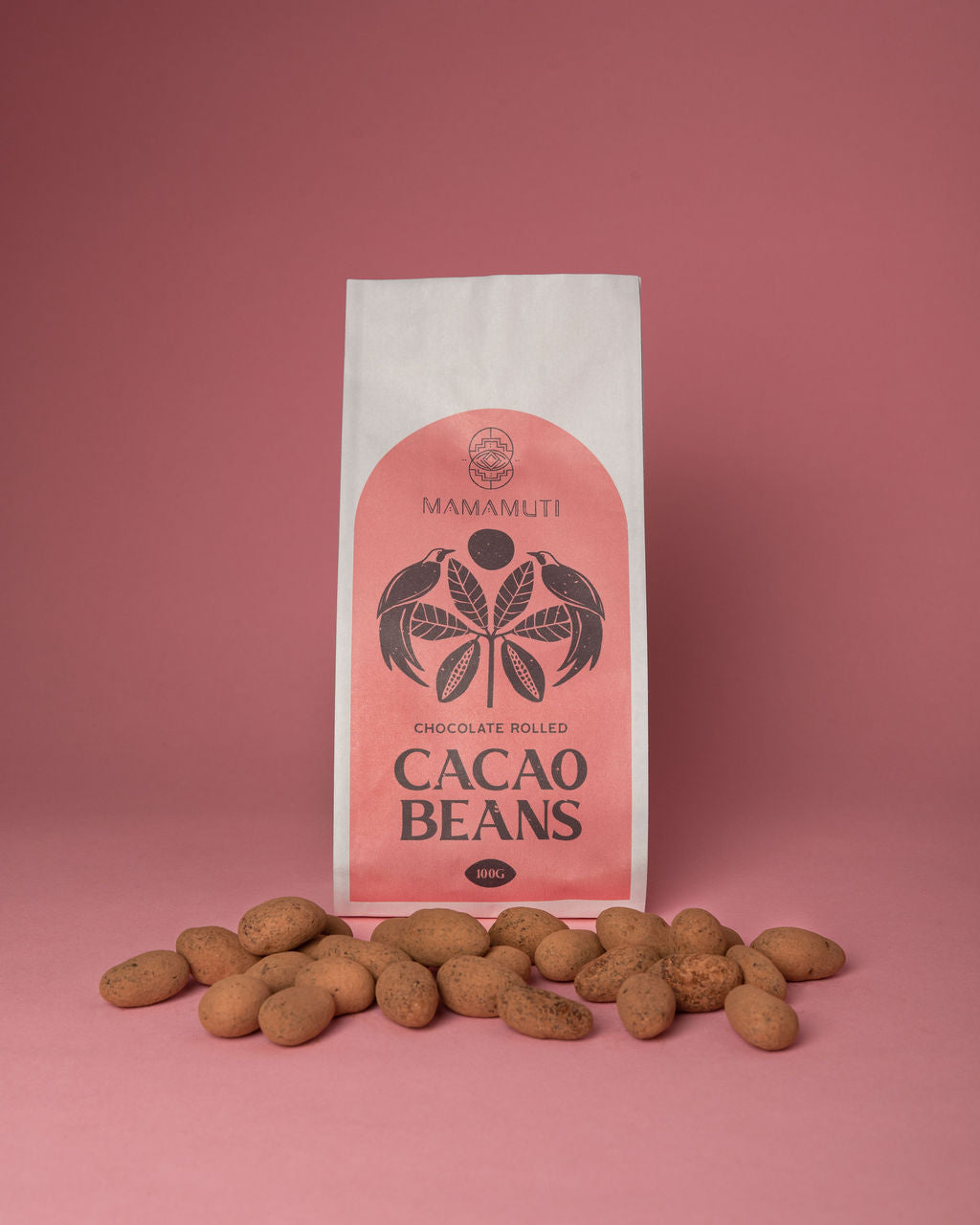
At Mamamuti, we don’t sell ceremony. We sell pure cacao. Beautiful cacao. Ethically sourced cacao. Traditionally crafted cacao. Cacao with a story. And then we trust you to write the rest.
Think for yourself.
Trust yourself.
Stay curious.
That’s the Mamamuti way.
With all my heart
Irma Schutte
Founder Mamamuti


Leave a comment
This site is protected by hCaptcha and the hCaptcha Privacy Policy and Terms of Service apply.